
The neurological check is done by the vet when the pet shows signs of a problem in the nervous system. This involves a careful review of the nerve parts and is the key step in diagnosing a dog or cat with neurological issues.
Typically, a neurological assessment should follow a full clinical check where other health problems can be ruled out. Also, an orthopedic check might be needed to rule out issues with the muscles and bones, which can be mistaken for nerve disorders.
As a result, neurological cases are often challenging for the regular vet. Thus, referral to a specialist is crucial to achieve a clear diagnosis as fast as possible.
 Speaking of brachycephalic races and of what an owner must know about Brachicefalica fur
The main objectives of the neurological examination are:
- Confirm the existence of a neurological problem,
- Position of the injury in the nervous system (neurolocation),
- Estimate of the degree of extension and severity of the disease,
- Determine the causes and/or the pathological process,
- Formulate a differential diagnosis and a diagnostic plan,
- Establish the treatment and estimate the prognosis.
The clinical signs of the neurological patient
Any suspected Patrude of having a disease of the nervous system should be subjected to a specialized neurological examination. The symptoms of nervous system disorders are varied and can be easily confused with the clinical signs produced by other diseases. Epileptiform convulsions, the walk of the circle, the complete paralysis are strongly suggestive for the nervous pathology, while blindness, burning, syncope or weakness can have non -neurological origin.
What does the neurological examination involve?
First of all, it is important to note that the evaluation of the nervous system aims to identify and identify an injury at this level, helping the doctor to turn to his attention on a specific area. In this way, the required tests will focus on the region concerned, simplifying the diagnostic process and reducing the costs to it. The subsequent use of paraclinical exams will lead to a diagnosis of certainty.
The neurological examination starts from the waiting room when the vet can see the interaction of the dog or cat with other animals, with humans, with the environment. Once in the consultancy room, the patient will remain free, without restrictions, the aim is to decrease the stress factors that can inhibit or stimulate some quadruped reactions. During this period, the owner will answer some questions from the doctor who will be able to straighten the doctor in a certain direction to obtain the diagnosis.
The owner must expect to answer questions about what the doctor will inform:
- The reason for the visit
- The beginning of the clinical picture (when the first signs of illness and their intensity appeared): acute, subsququer, chronic
- Progress (symptomatic evolution): progressive, non -drug, episodic/recurrent
The patient’s story is essential in the exam, the owners are encouraged to film the episodes that seem abnormal. In addition, there are some breeds that have a predisposition for some diseases. In addition, the age of the animal makes the possibility of a neoplasm or another disease more or improbable.
read more Squeeze after your dog – Company stuff
CAREFUL!!! Sedation or analgesia can temporarily change the results of the neurological examination.
The actual neurological examination includes the following phases:
- Patient observation: evaluation of behavior, consciousness, posture, walking.
- Evaluation of postural reactions:
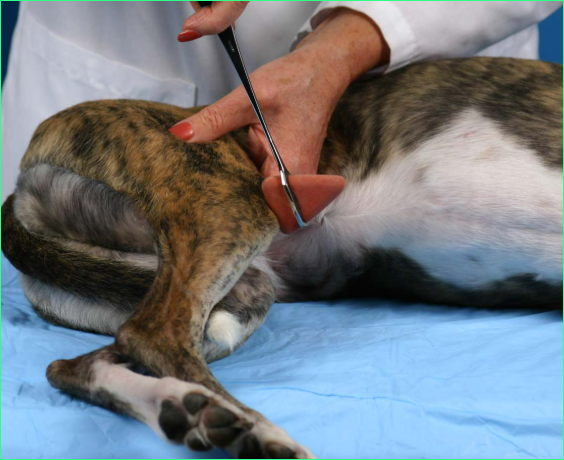
At this stage, the animal will be subjected to tests that may seem funny, but which bring information on possible motor deficiencies, sensitive or sensory. - Evaluation of spinal reflections: one of the most difficult parts, since the animal cooperation is essential to obtain a result that reflects reality.
- Examination of cranial nerves
- Sensitivity/ palpation:
- provides great prognostic value,
- determines the ability of the perception of pain animals,
- Identifies the areas of hypertiesia (increase in response to painful stimuli).
Following the consultation, the veterinarian can request further tests to confirm suspicions or delete hypotheses. Among the paraclinical tests that can be requested are:
- CBC
- Biochemistry Biolo
- Urine analysis
- The activity of creatine chinasi
- Cefalorachide fluid analysis
- Radiography of the spine
- Myelography
- MRI
- Ct
- Electromyolgraphy
- Tissue biopsy
prognosis
The owners must take into account the fact that, although useful, the neurological examination cannot predict whether the patient’s clinical evolution will be favorable, the final result depends on the pathology with the quadruped and the stage in which it is located.
read more Worm, the Motanel who did not give up on the struggle for life when no one gave him any possibility
In short, the diagnosis of certainty is essential for the adequate therapeutic approach of the neurological patient and the specialized neurological consultation is the first step to identify nervous disorder.
Bibliographic references
- Ettinger J. Stephen, Feldman C. Edward, Côté Etienne (2017), Book of Text of Veterinary Internal Medicine, Eighth Edition, Editura Elsevier
- Platt R. Simon, Olby J. Natasha (2004), Basava di Canine and Felicic Neurology Manual, third edition, Editura British Small Animal Veterinary Association
- Lorenz D. Michael, Coates R. Joan, Kent Marc (2011), manual of veterinary neurology, fifth, Editura Elsevier Saunders
- De Lahunta Alexander (2009), veterinary neuroanatomy and clinical neurology, third edition, Editura Elsevier Saunders
latest posts published
The health of the joints in dogs – more important than you would have thought!

Everything you need to know about Dog & Dog – Dry Dog Food
Obesity in dogs and what should be done?
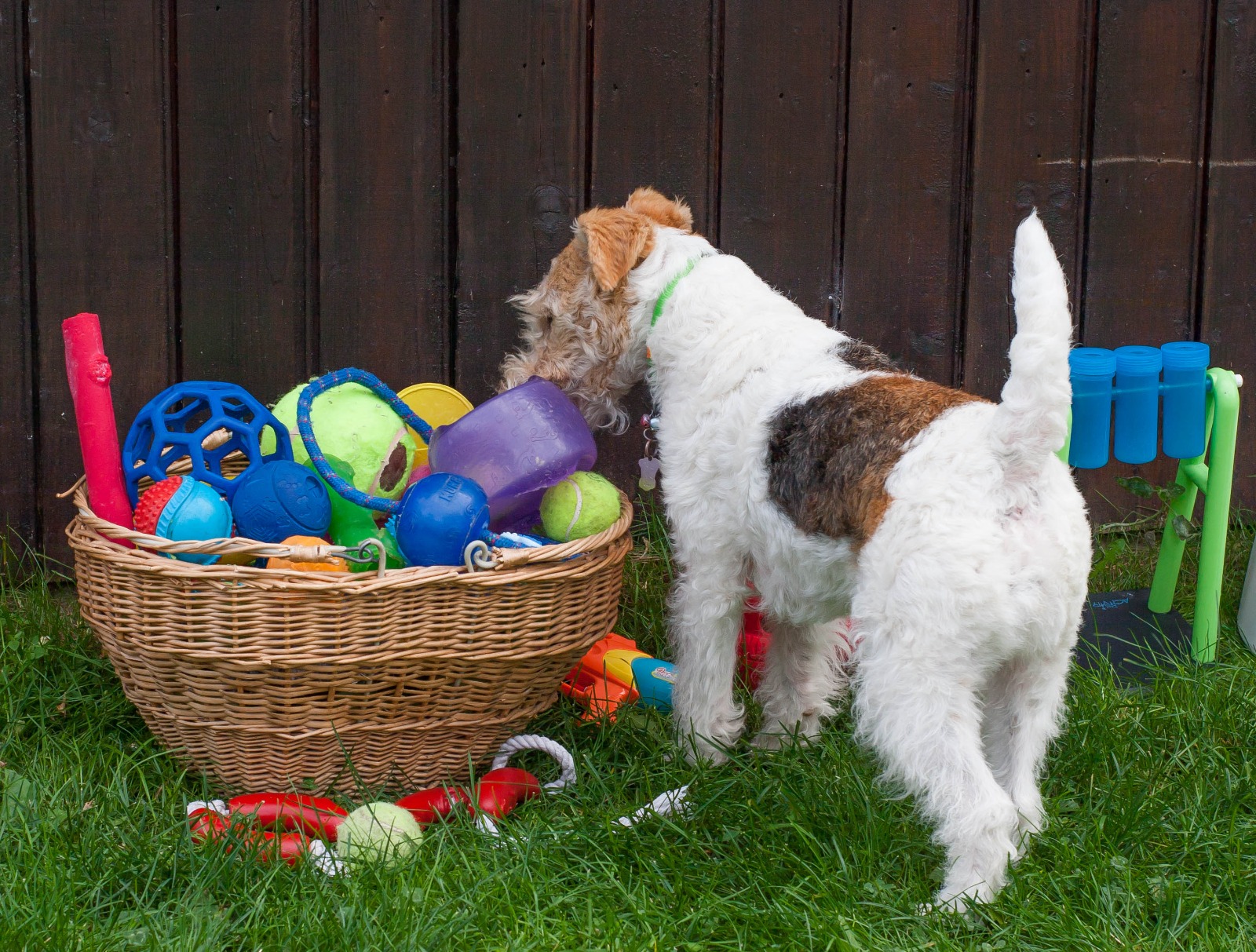
The dog needs to have a happy, balanced and healthy pet

How do you choose and how do you use cat sand?
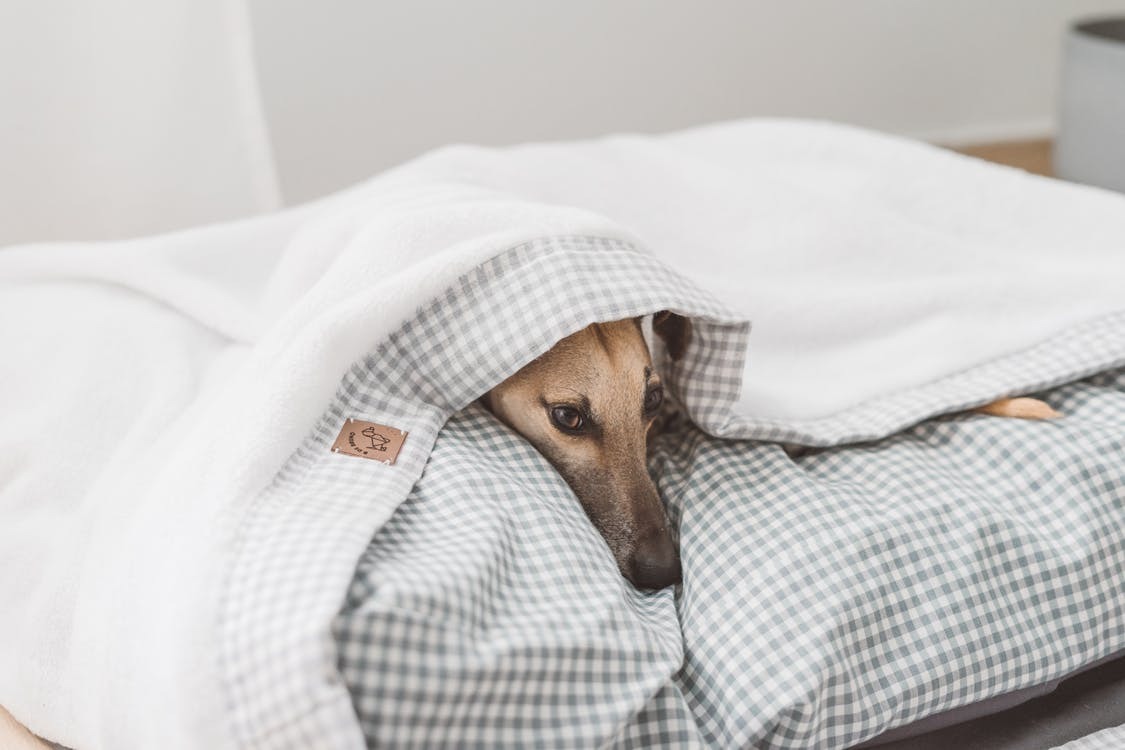
How do we help pets during winter holidays, full of strong noises and noises
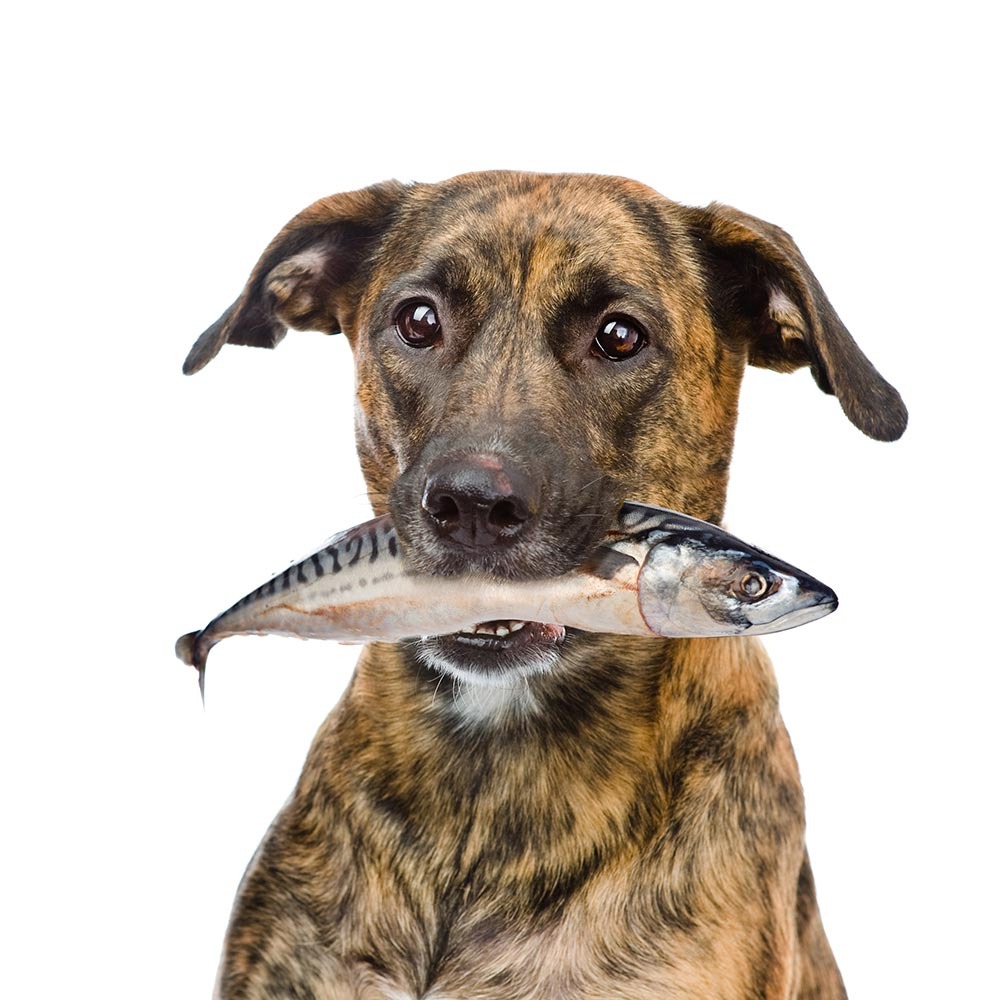
The benefits of fish in the diet of our empty spaces
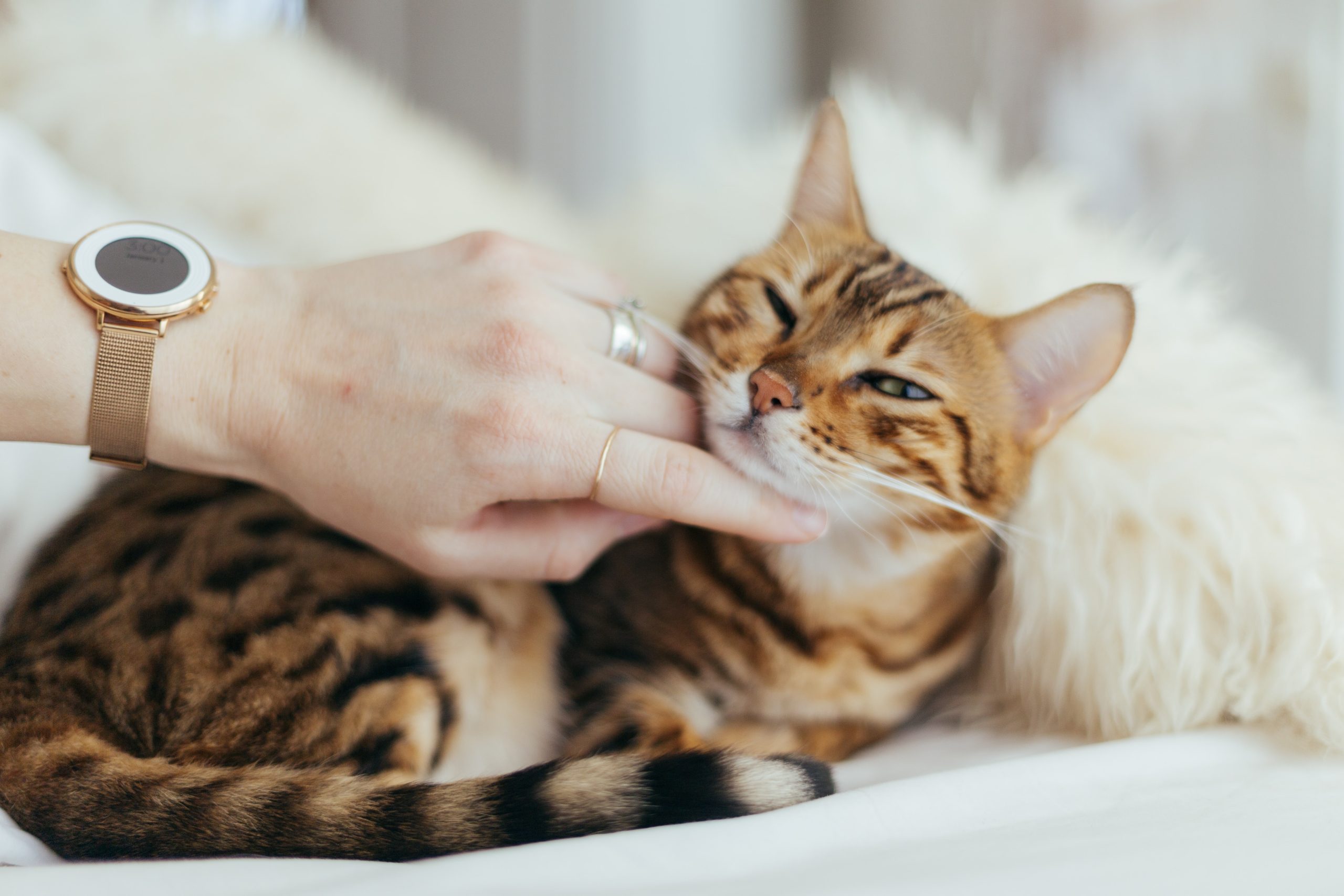
The joy of having a cat
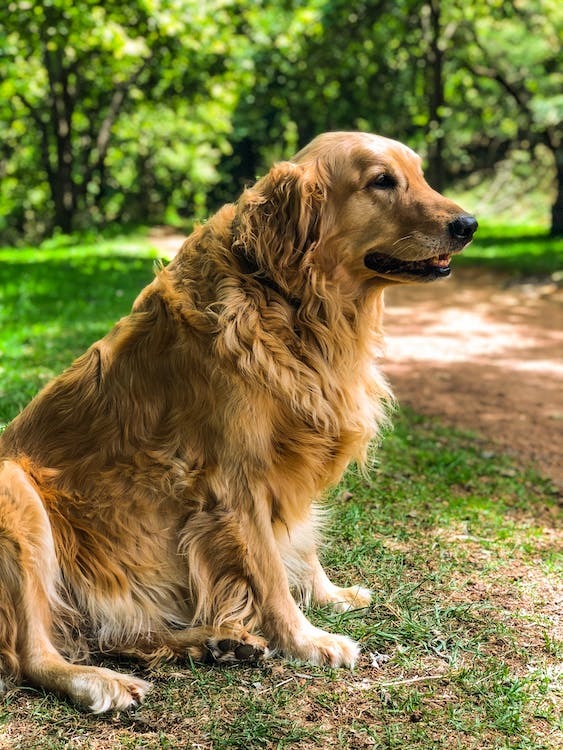
Golden Retriever, an energetic and favorite breed of children