

Have you ever considered that the best foundation for a great dog is training? When you teach your pet, there is a unique connection between you – this is why we use hand signals, whistles, and other approaches.
Important to know
Whether or not you plan to take part in dog sports or events, it is important that all pets get basic training, starting from proper leash walking to developing good behavior around strangers.
What is the right age to start training?
Bringing home your first furry friend is hard to put into words! The initial days are usually filled with many funny moments, laughter, and good vibes shared among all family members – everything feels wonderful while your puppy begins to discover the world. So, while you (as an owner) and your puppy enjoy everyday life, the next step is to determine when to start training. Many new pet owners do not realize how early they can begin training their dog and how beneficial it can be, both for the pet’s future and for the family’s happiness.
In summary – most dog breeds can begin formal or informal training and socializing around the age of 7 or 8 weeks. Despite their limited attention span, puppies can learn social skills and grasp basic commands, like «sit» and «stay,» at an early age. The best time to start training is about 7-8 weeks for most dogs, and the most effective training uses positive reinforcement and gentle commands. This is also the time to start introducing your dog to new people and different animals, letting them explore and gain new experiences. Life is just beginning for them!
read more Hair loss in dogs and cats
Formal training classes: between 7 and 12 weeks
Some pet owners, especially those training a puppy for the first time, might prefer to sign up for dog training classes – a great and helpful choice! These classes benefit from the expertise of a trainer who can show effective techniques for teaching basic and more complex commands. A certified trainer can also assist in spotting possible behavioral or training issues and determine if your puppy needs further official training sessions, like one-on-one lessons.
Furthermore, dog training classes are a wonderful setting to begin socializing your dog with other pets and people, all in a well-managed setting.
In the past, some trainers have advised dog owners to wait until their dog was 4 or 6 months old or until the young animal was fully vaccinated (which delays their entry into training classes).
Sadly, this causes us to miss an important time for socializing in a puppy’s life, and during this period, it might develop issues that you’ll need to fix later (like fears or aggression), compared to encouraging good habits from the start. What should you do? Speak with your vet to confirm that the young puppy is healthy enough to begin training, receive the first shots, and adjust before the first training sessions. Naturally, you must keep up with vaccinations during the training. Are there any signs of health risks? No worries! Make sure to ask the trainer to allow only those dogs that follow the vaccination schedule into training! Safety first, always!
Today’s expert advice – a planned program can teach your dog in the least amount of time
read more Which breeds of dogs are suitable in the apartment or in the courtyard
Don’t delay this! You will appreciate our guidance as soon as you see the initial results appear!
Did you know that all dogs require proper training? Not just a few breeds! Luckily, this does not have to be daunting. This task should be neither hard nor pricey. So, whether you share your home with a puppy or an older dog, it’s good to realize that it’s never too early to begin training your dog. Don’t create any stress or place too much pressure on them. On the other hand! Most dogs feel happier with the structure of this training and the trust that grows during or after training sessions.
Do not let yourself feel overwhelmed by what you read or by the stories of others around you or online. You must never have a negative mindset as you begin getting involved in dog training. Are you unclear? Avoid doing things «on the fly» or in haste. If you feel unsure about where to start, create a weekly plan to help you structure your efforts. So, each new week, it will be simple for you to select one or two basic commands to practice. Again, don’t rush: give yourself time to make some adjustments in the dog’s area to avoid, alter, or fix behavior issues.
Introduce a crate
If you haven’t yet used a crate, the first week of training is a great time to show it to your dog. The crate is a helpful tool to manage your dog’s behavior when you cannot supervise. Spend some time each day this week allowing the dog to get familiar with it and begin leaving him there for short periods. Your dog may eventually choose to sleep in his crate.
read more The most popular races of cats | Why did we focus on these charming creatures in this article?
Start leaving the dog in his crate for longer stretches, but not more than a few hours straight. Be sure to include some fun and engaging toys. Keep using the crate during dog training. Most dogs enjoy having their own safe space. Additionally, these crates can aid in house training, as most dogs will not relieve themselves and won’t urinate where they sleep.
Establish a routine
Like humans, dogs enjoy having a schedule. Set up a timetable for walks and playtime right from the start of their training. Throughout the first week of forming these habits, be sure to stay consistent during workdays and weekends: the training does not stop for a week or on days off. If someone else will look after your dog, ensure they are informed about the schedule. Stick to the routine as much as you can during the dog’s training and after. This will help your dog understand what to expect and when to do things. Furthermore, this is also helpful for training: your dog will start to learn the specific times when he can go out (for instance: after each meal, the dog goes for a walk to help).

Invest in suitable toys
Discover how you want to reward your dog. Training rewards are a great way to motivate, but treats can be given without needing a clicker. Before you begin teaching commands and tricks, explore a variety of toys to spark your dog’s interest. Be sure to include items, like some new toys, that provide mental challenges. Keeping your dog mentally engaged is crucial, especially since most owners cannot play with their pets all day. Do not give your dog all the toys at once. Introduce the toys this week and then rotate the different toys each week during this period, ensuring your dog always has something fresh and exciting to play with.
read more Do your cat’s problems seem to never end? Here are the solutions
Order the finest dog toys and accessories for your dog now!
Commands: it’s time for them
Learning basic commands is crucial for dog training. Your dog needs to know how to respond to your commands to stay safe. Start with simple commands and once those are mastered, move on to others.
- SEE: Focus on this area. Teaching your dog to sit is essential. Dedicate about five minutes each day for a week to work on the «sit» command.
- Also, remember to teach «go to bed»!
- Focus and emergency recall: after «sitting», spend a few minutes daily on getting your dog’s attention (which means directing their focus to you) and teach them the emergency recall (very useful in risky situations).
- Start coming: Once your dog has a good grasp of the above, you can progress to these more challenging commands.
- Stop jumping: you can set aside time each day to practice this behavior or wait until it naturally happens in your daily routine (like when your dog jumps to greet visitors at the door).
- Wait: you can practice this during your regular training or look for everyday chances to show it. Ensure your dog waits before leaving their space or exiting their crate.
- Go to your spot: begin working on teaching your dog to go to a specific spot and lie down. Some great moments to practice this (when your dog should remain still in one place) are during meals or while you watch TV or read.
- When walking: with this command, your dog will learn not to pull on the leash – in other words, to walk at a steady pace. If the leash isn’t taut, walks will be calmer and more enjoyable. Some people prefer to teach «dogs do not pull» with them. This skill should be consistently reinforced throughout training.
- Stop barking: begin teaching your dog to be quiet, focusing on the «speak» and «quiet» commands. You can practice this in training sessions or wait until your dog barks: use this as a chance to train.
Canine behavior issues and suggestions for the long term
After practicing a specific method for a week, your dog should respond positively to several commands. Sadly, this «success» does not indicate that you have completed the training. Instead, training needs to be revisited and strengthened throughout your dog’s life so that his behavior remains well established. This will not only benefit him but also make your family accept and cherish him more.
Experts suggest spending at least 10 minutes, at least three times a week, to go over the commands and behaviors that we have already practiced. In fact, this is a great way to reinforce good behaviors.
If you encounter issues with training or a particular step mentioned above, the expert’s advice is to enroll your dog in a training class or consult a behavior specialist. They can arrange one-on-one sessions with you and your dog to address the root of training challenges and to enhance your long-term strategies.
latest posts published
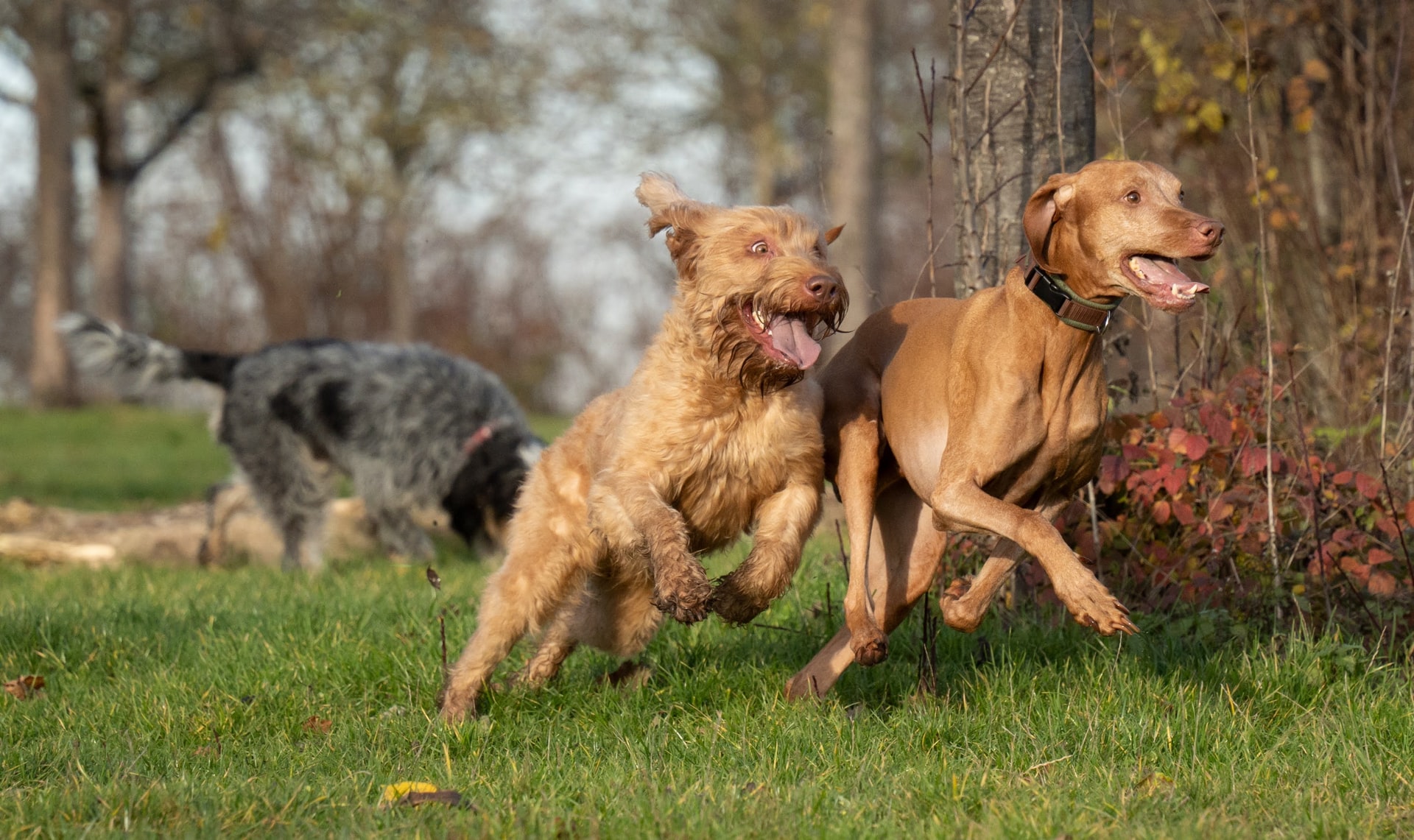
The health of the joints in dogs – more important than you would have thought!

Everything you need to know about Dog & Dog – Dry Dog Food
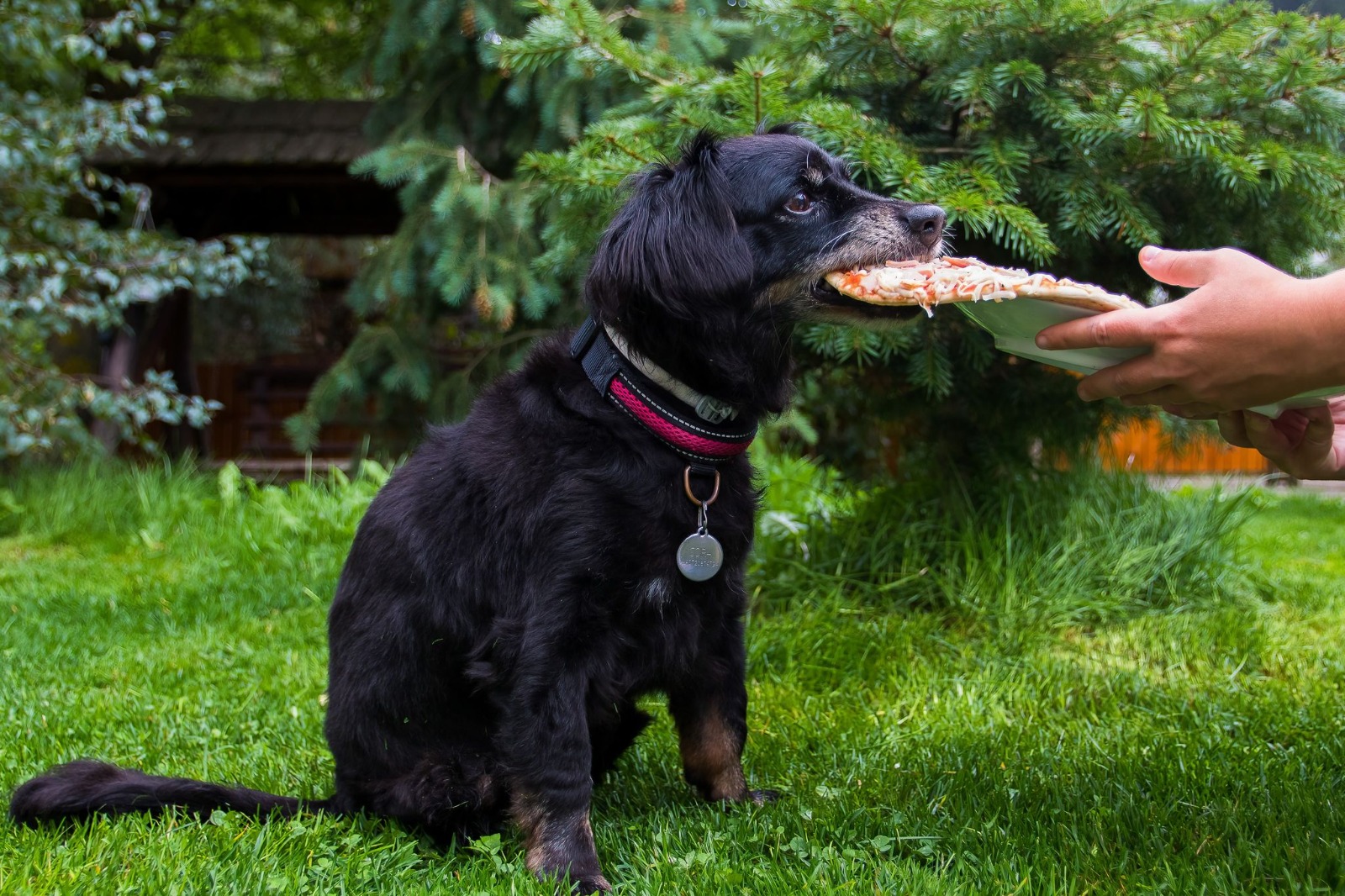
Obesity in dogs and what should be done?
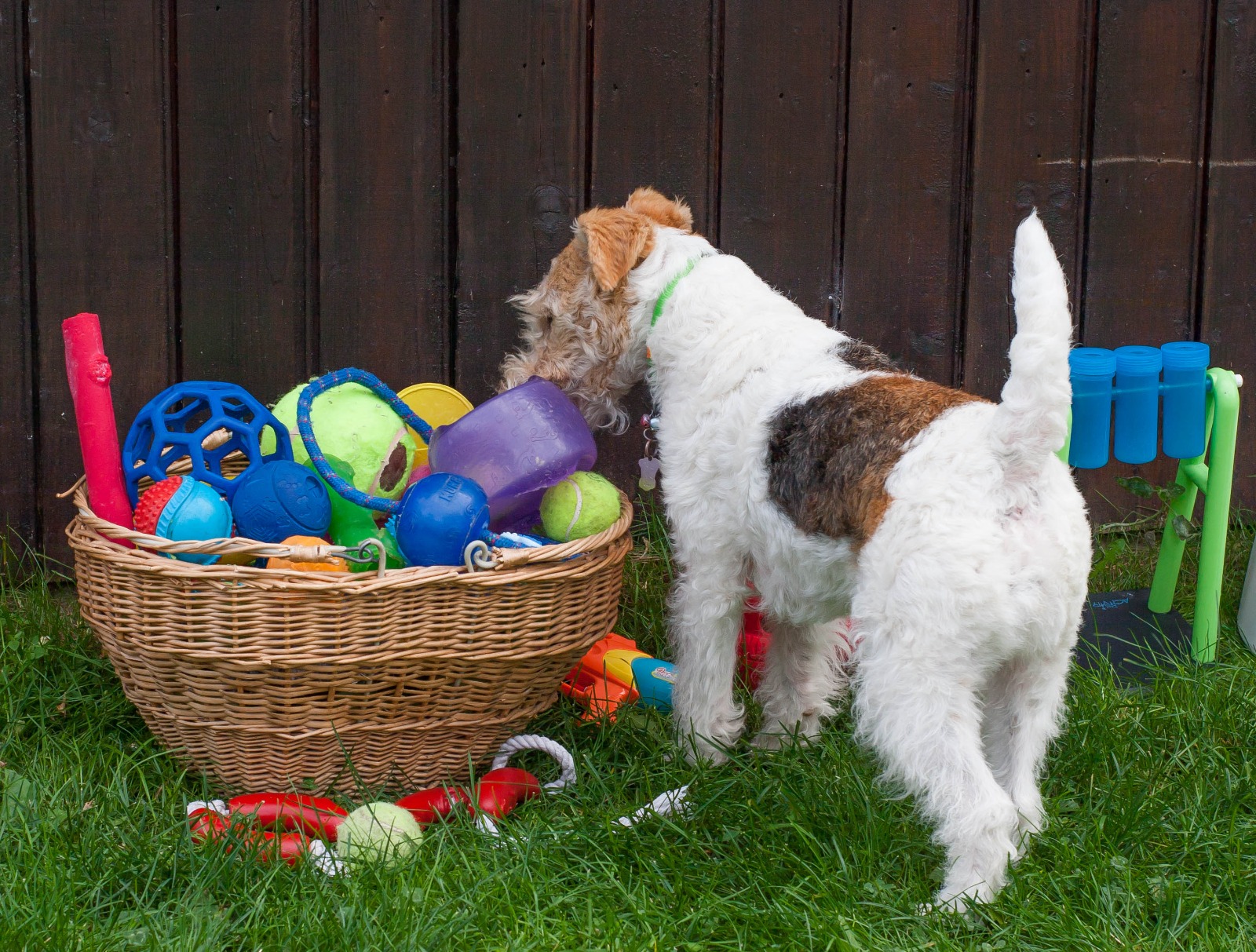
The dog needs to have a happy, balanced and healthy pet

How do you choose and how do you use cat sand?

How do we help pets during winter holidays, full of strong noises and noises

The benefits of fish in the diet of our empty spaces

The joy of having a cat
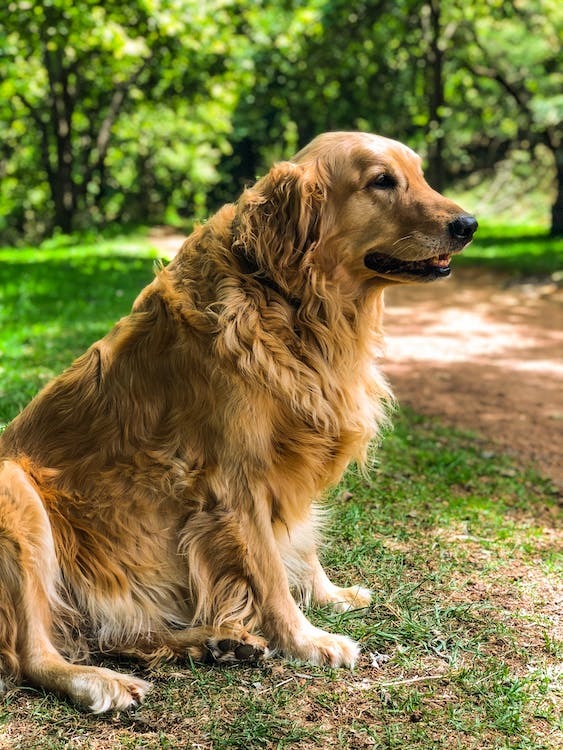
Golden Retriever, an energetic and favorite breed of children