
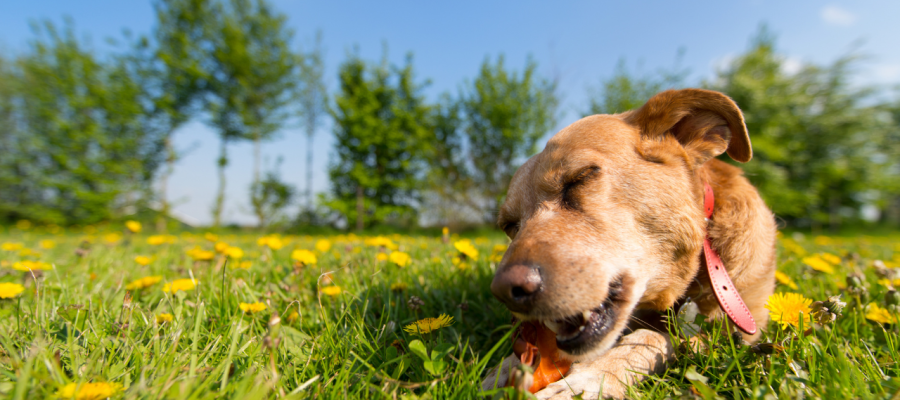
Have you come back home and noticed the red shoes or the edges of the carved furniture? You’re not alone. Many dogs are showing this kind of seemingly harmful behavior. But why do dogs chew and how can you find out without appearing as a «bad cop»?
Let’s explore the true reasons, what options you have available, and which products can help keep your house – along with your calmness and family – safe!
Why does your dog chew on everything?
Your dog bites or nibbles because it’s natural. Here are some specific reasons:
1. They are teething
Dogs between 2 and 6 months go through a teething phase much like children. Swollen gums, discomfort, and a natural urge to chew something to soothe themselves.
Solution: Special teething toys that massage the gums and ease pain.
Recommendation: Look at these dog teething toys from Petmax.
 Do your dogs need more movement? Find out now
2. They get bored
Our furry friends, especially smart or active ones (like Border Collies, Labradors, or Huskies), need mental exercise. Without it, your dog will chew out of.. boredom.
Solution: Choose interactive toys or puzzles that keep them engaged.
You can check the same link mentioned earlier!
3. Anxiety from being alone
If your dog acts out when they’re home alone, they might have separation anxiety. In your absence, they feel anxious and resort to destroying things as a way to cope.
Solution: Create a consistent routine, do gradual separation training, and provide toys that engage their sense of smell or touch.
Recommendation: Get some calming treats for dogs.
4. No clear training
If you haven’t set clear boundaries, your dog won’t know what is «off-limits». It’s not their fault; they simply need guidance.
Solution: Teach «no» commands and gently instruct «leave it,» then praise them when they stop and offer a suitable alternative.
What not to do
❌ Don’t yell or punish them after the action (they don’t grasp «after the fact»).
❌ Avoid giving them old items («old slippers» might encourage more chewing).
❌ Don’t replace training with constant measures of prohibition.
 Because wet food can be an essential ally for health
How to teach them not to chew things in the house
Step 1: Provide an alternative
Keep tough rubber toys, rope toys, or other materials handy.
If you want your dog to ignore furniture, slippers, or wires, the trick is to give them an appealing and safe alternative. Luckily, Petmax.ro offers a selection of toys made specifically for dogs of all ages and sizes.
When it comes to natural rubber toys that can endure strong chewing or options with textures that soothe the gums, each serves a clear purpose: to fulfill their natural chewing instinct without ruining your home. Some can also be filled with treats, turning them into real mental challenges and delights for dogs.
🦴 Some of the favorites include:
Nylon or hard rubber bone toys that are ideal for dogs with powerful jaws;
Toys that teach dental care are great for young or older dogs
Toys with appealing tastes (like bacon or chicken) keep the dog entertained and joyful
Toy designs that help clean your teeth while they chew – two benefits in one
Explore the full collection here: Red Toys for Dogs – View full selection
Step 2: catching it «in the act» and redirecting
When you notice a forbidden item being chewed, say «no!» firmly, then offer an appropriate toy. When the dog takes it, praise them excitedly.
 Learn to keep your dog active and healthy in winter
Step 3: use training spray
Non-toxic sprays that have an unpleasant scent for dogs can be used on furniture edges or other sensitive spots.
Suggestion: Training Sprays for Dogs (or Cats) – Complete Petmax Range
Step 4: ensure enough exercise and stimulation
A tired dog is a happy dog. Regular walks, playtime, and mental activities (like teaching simple tricks) help reduce harmful behaviors.
Conclusion
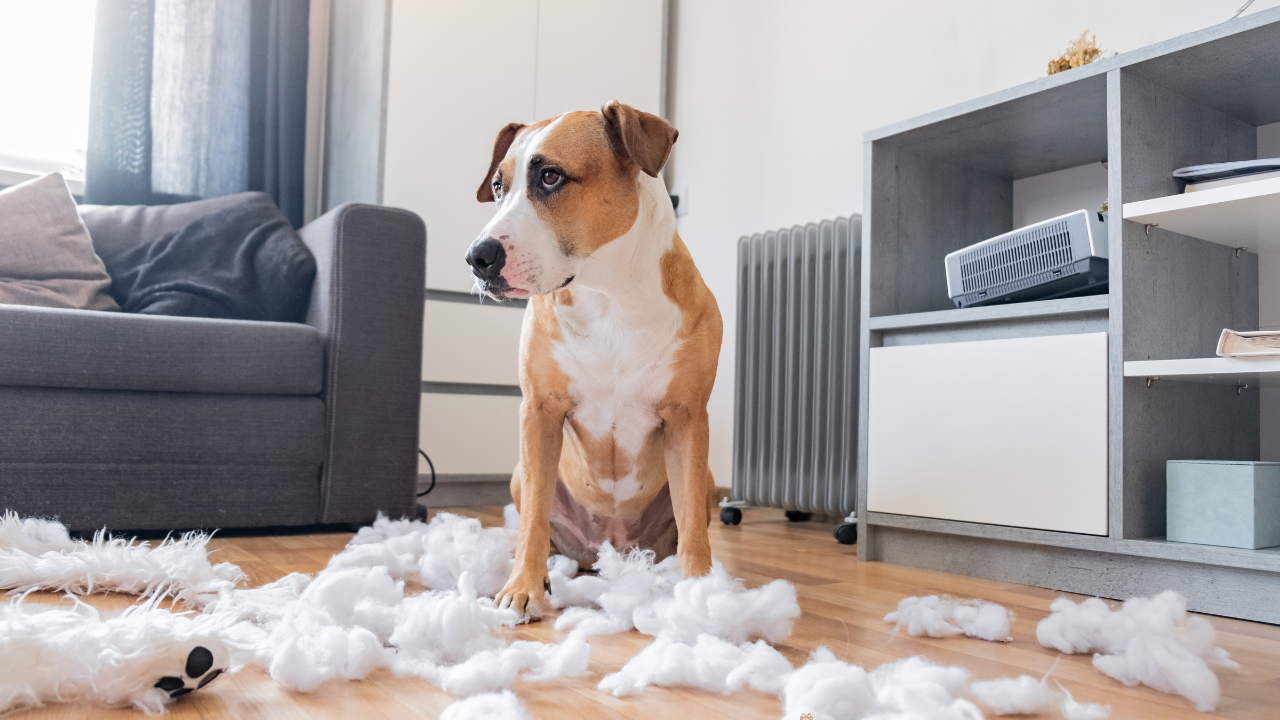
Chewing is a completely natural behavior for dogs, but when it is directed toward furniture, shoes, clothing, or other household items, it can quickly become frustrating for pet owners. Understanding the reasons behind this behavior is the first step toward finding a lasting solution. Rather than viewing destructive chewing as disobedience or spite, it is important to recognize that dogs often chew because they are teething, bored, anxious, stressed, curious, or simply lacking appropriate outlets for their natural instincts.
read more What are the most common behavioral problems in dogs?
The key to preventing destructive chewing is addressing the underlying cause instead of relying on punishment. Puppies, for example, need safe chew toys to relieve the discomfort of teething, while adult dogs often require more physical exercise and mental stimulation to prevent boredom. Interactive toys, puzzle feeders, training sessions, and regular walks help satisfy a dog’s physical and psychological needs, reducing the likelihood that household objects will become their preferred chewing targets.
Consistency is equally important during training. Redirecting your dog’s attention to appropriate chew toys, rewarding good behavior with praise or treats, and preventing access to valuable items are far more effective than scolding after the damage has already occurred. Dogs learn best through positive reinforcement, and creating a predictable routine helps them understand what is expected. If your dog struggles with separation anxiety or compulsive chewing, consulting a veterinarian or professional dog trainer can help identify the root of the problem and develop a personalized behavior plan.
In some cases, deterrent sprays designed for pets may help discourage chewing on furniture or other prohibited objects. However, these products should always be used alongside proper training and environmental management rather than as a standalone solution. Providing a safe, enriching environment filled with acceptable chew items encourages healthy habits while protecting your home from unnecessary damage.
Patience is another essential ingredient for success. Behavioral changes rarely happen overnight, especially in young puppies or recently adopted dogs adjusting to a new home. With time, consistency, and understanding, most dogs learn which items are theirs to chew and which should be left alone. Every small success reinforces positive habits that can last a lifetime.
Ultimately, destructive chewing is not a sign of a «bad dog» but rather a signal that an important physical, emotional, or behavioral need may not be fully met. By understanding your dog’s natural instincts, providing appropriate enrichment, and using positive training methods, you can protect your belongings while strengthening the bond you share with your canine companion. A patient and proactive approach creates a happier dog, a more peaceful home, and a relationship built on trust, communication, and mutual understanding.
latest posts published
The health of the joints in dogs – more important than you would have thought!
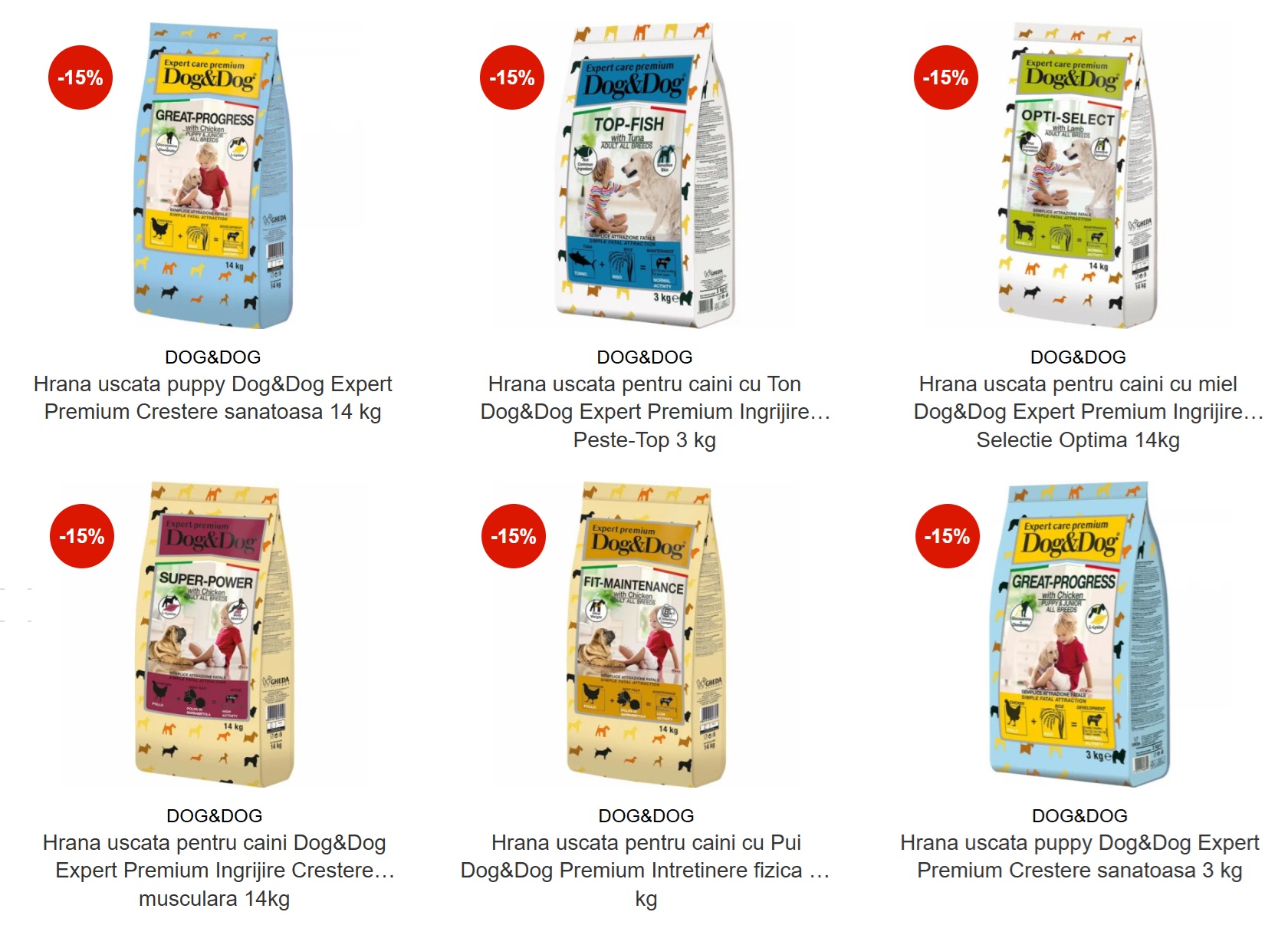
Everything you need to know about Dog & Dog – Dry Dog Food
Obesity in dogs and what should be done?
The dog needs to have a happy, balanced and healthy pet

How do you choose and how do you use cat sand?

How do we help pets during winter holidays, full of strong noises and noises
The benefits of fish in the diet of our empty spaces

The joy of having a cat

Golden Retriever, an energetic and favorite breed of children