
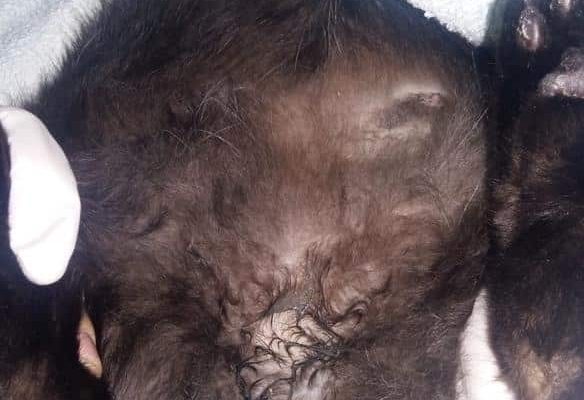
It is thought that the piometrium shows up after hormonal changes, within a span of about 60 days following the heat cycle.
In female cats, after the heat stage, the progesterone level stays high, which causes the lining of the uterus to be stimulated and thickened. This means the uterus is getting ready for a potential pregnancy. If pregnancy does not occur, the cycle of the uterine lining will keep going, leading to the formation of cysts, which creates a good setting for bacteria to grow and thrive.
Another key reason that causes the piometrium to develop is the use of hormonal medications given to «stop the heat». This is a fast and helpful option, but it does come with negative side effects for your pet.
Age is also a significant factor: the more female dogs go through multiple «heat» cycles, the higher the risk of infection.
read more Retinian Athrophy progressive (Pra)
In females, the piometrium is more common in older and unspayed dogs and in those who have not had any litters. However, it can also occur in younger females, especially those treated with hormones to delay or stop their heat cycle.
Symptoms
From the point of view of evolution, the piometrium can be with open cervix (elimination of secretions outside) or with closed cervix.
Among the most common symptoms, in the case of both forms, they include:
- Apathy/Letargy (the animal is abolished, is not interested in daily activities or whoever you like, «lies»)
- fever (not in all cases, but quite frequently)
- Reduced food appetite or food refusal
- Increase in water appetite (very and/or often animal drinks)
- frequent urination
- may appear vomiting
- In some cases the abdomen is swollen and painful, the animal even avoids the movement
In the situation of the piometer with open cervix, secretions or vulvar points can be observed in places where the animal rests or remains longer; The color and coherent secretions vary, can be liquid or pasty, reddish, yellowish or green.
read more How do we choose the right toys for our quadrupeds?
diagnosis
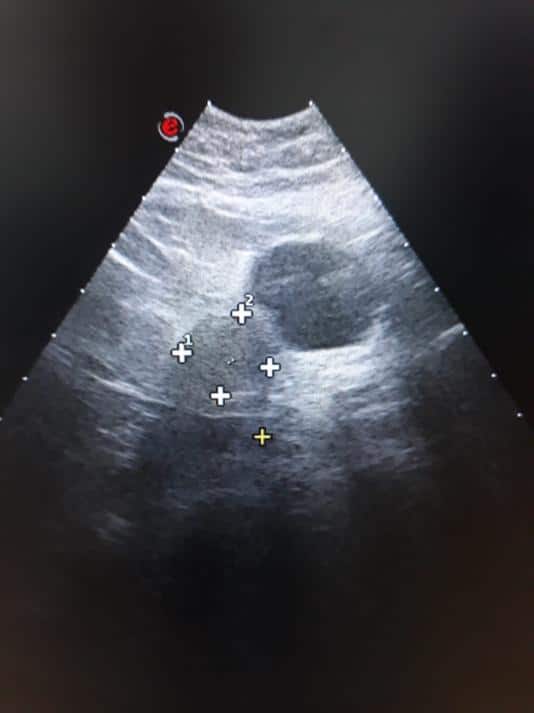
It is established by the veterinarian based on clinical signs, blood tests (hemolyteogram and biochemistry, important not only for the diagnosis itself, but above all to have a better perspective on the state of the body) and is mainly confirmed to ultrasound or radiological.
Treatment
The treatment of choice (preferred) is the surgical one, eliminating the uterus and ovaries (ovariohisttectomy). Anti -infectiously used and intravenous fluid fluids will be administered.
There are cases in which, if it is an open cervix piometer and the state of health of the female does not allow surgery, a conservative treatment is used (anti – -inhabitation, in support of vital functions).
read more Toxoplasmosis – between myth and truth
To remember!
Piometer is a condition that endangers the life of the animal! To prevent this situation, it is advisable that the female is sterilized as young and healthy.
Increase in attention to non -pounded females after the end of the heat period and/ or after the administration of hormonal treatments!
Beware of cats, they are clean animals, they often wash and therefore secretions can no longer be seen in the case of the piometer with open cervix!
Of the complications that can occur, especially in the case of piometry with closed cervix, we mention peritonitis, setthemia, insufficient hepato-reunion. All this can lead to the death of the animal; The more the diagnosis is established, the greater the possibilities of survival. Therefore, we warmly advise you to pay attention to any changes in the behavior/general condition of the animal and to present with him to the veterinarian as the question marks or doubts about his health.
read more Guide: how we take care of the chicks of the newborn cat
Conclusion
Pyometra is a serious and potentially life-threatening condition that requires immediate veterinary attention. Although it develops as a result of natural hormonal changes following the heat cycle, the disease can progress rapidly once bacteria infect the uterus. Understanding how pyometra develops allows cat owners to recognize why timely prevention and early diagnosis are so important. What may initially appear as mild lethargy or reduced appetite can quickly become a medical emergency if treatment is delayed.
One of the greatest challenges with pyometra is that its symptoms are not always obvious during the early stages. Some cats may show increased thirst, loss of appetite, vomiting, fever, or unusual vaginal discharge, while others—especially those with a closed-cervix pyometra—may exhibit only subtle signs until the infection has become severe. Because the infection can spread into the bloodstream and lead to sepsis, kidney damage, or organ failure, prompt veterinary evaluation is essential whenever a cat displays unusual behavior after a heat cycle.
Fortunately, pyometra is largely preventable. Spaying female cats before they experience repeated heat cycles is considered the most effective method of eliminating the risk of this disease. In addition to preventing unwanted pregnancies, spaying significantly reduces the chances of developing uterine infections and other reproductive disorders later in life. For cats that are intended for breeding, regular reproductive health examinations and close monitoring after each estrous cycle are important to detect any abnormalities as early as possible.
Routine veterinary checkups, responsible reproductive management, and awareness of the warning signs all contribute to protecting your cat from this dangerous condition. Owners should never ignore symptoms such as lethargy, excessive drinking, abdominal enlargement, fever, or abnormal discharge, particularly if they occur several weeks after the heat period. Early diagnosis often leads to more successful treatment and greatly improves the chances of a full recovery.
Ultimately, the best approach to pyometra is prevention through education and proactive healthcare. By understanding the hormonal changes that occur after the heat cycle and recognizing how they can create favorable conditions for bacterial infection, cat owners are better prepared to safeguard their pets’ health. With regular veterinary care, appropriate reproductive planning, and prompt attention to any concerning symptoms, pyometra can often be prevented or treated before it becomes life-threatening. Investing in preventive care today helps ensure your cat enjoys a longer, healthier, and more comfortable life while giving you confidence that you are providing the highest standard of care for your feline companion.
latest posts published

The health of the joints in dogs – more important than you would have thought!

Everything you need to know about Dog & Dog – Dry Dog Food

Obesity in dogs and what should be done?

The dog needs to have a happy, balanced and healthy pet

How do you choose and how do you use cat sand?

How do we help pets during winter holidays, full of strong noises and noises

The benefits of fish in the diet of our empty spaces

The joy of having a cat

Golden Retriever, an energetic and favorite breed of children