
The wasting away of the progressive retina includes a set of issues that can be seen in various dog breeds, most commonly found in the United States in Golden/Labrador Retrievers, Cocker Spaniels, and German Bracco, but also for those breeds. It can affect cats, particularly the Persian breed, as well as mixed breeds. Progressive retinal atrophy has a hereditary aspect, which is why it is advised that affected animals should not be used for breeding.
The problem impacts the photoreceptors (cells with cones and rods), which detect light and assist in creating images in the retina. The rod cells, responsible for night vision and more numerous in dogs and cats, are more often impacted than cone cells. Consequently, the ability to see in dim light or at night suffers first.
Retinian Athrophy progressive (Pra)
Pra is a two-sided issue, with changes occurring similarly in both eyes. There are different forms of the disease that cause unusual development of the photoreceptors, leading to early clinical signs and a degenerative type that appears later in the lives of the animals.
In the early stage, animals have good vision for 4-6 months but can become fully blind by 6-12 months. In the degenerative stage, the initial signs of decreased vision can appear at 2 to 6 years old, sometimes even by 10 years.
read more How do we choose the right toys for our quadrupeds?
At first, pet owners may notice their dog hesitating to go down steps or go outside when it’s dark. As the condition progresses, affected animals start bumping into objects, and their vision worsens or may even be absent during the day. The changes are most noticeable when the animals are taken to a new environment.
From a medical viewpoint, the condition is marked by the presence of mydriasis (enlarged pupil) without the pupillary reflex (the pupil does not constrict in response to light). Owners may notice a brighter shine in the eyes due to increased reflectivity in the retina.
The veterinarian can use a special tool, called Irisvet, to check the pupil’s response to red light (light with a wavelength of 630 Nm). If there is retinal damage, the pupil will not respond to this type of light. Additionally, using an Ophthalmoscope, hyperreflectivity can be seen in the reflective layer (the top part of the back of the eye) and a decrease or complete loss of the retinal blood vessels.

 Toxoplasmosis – between myth and truth
Exam with panoptic ophthalmoscope
To accurately assess the extent of issues with retinal cones and rods, the eye doctor can use electroretinography, a testing method that measures electrical responses from the retina. This test may require sedation or even full anesthesia and is especially suggested when the patient also has cataracts, as it needs to be determined if they are suitable for facehemulting (a specific surgery for cataract removal).
The condition has a serious outlook, as all affected individuals will eventually go blind. It might be possible to give antioxidant medicines specifically made for veterinary eye care, which could slow down the disease’s progression. There is also a genetic test that can identify the genes linked to progressive retinal atrophy. It is advised to perform this test in at-risk breeds, so the affected pets can be taken out of breeding.
Pet owners should know that their animals can adapt well; even if they can’t see, dogs and cats have better senses of smell and hearing than sight. These animals should be supported by maintaining a familiar environment (if possible, stay in the same home or yard, avoiding changes to furniture or other items) and when taken to new places, they should be on a leash to explore and smell different things.
read more
 Guide: how we take care of the chicks of the newborn cat
latest posts published
The health of the joints in dogs – more important than you would have thought!
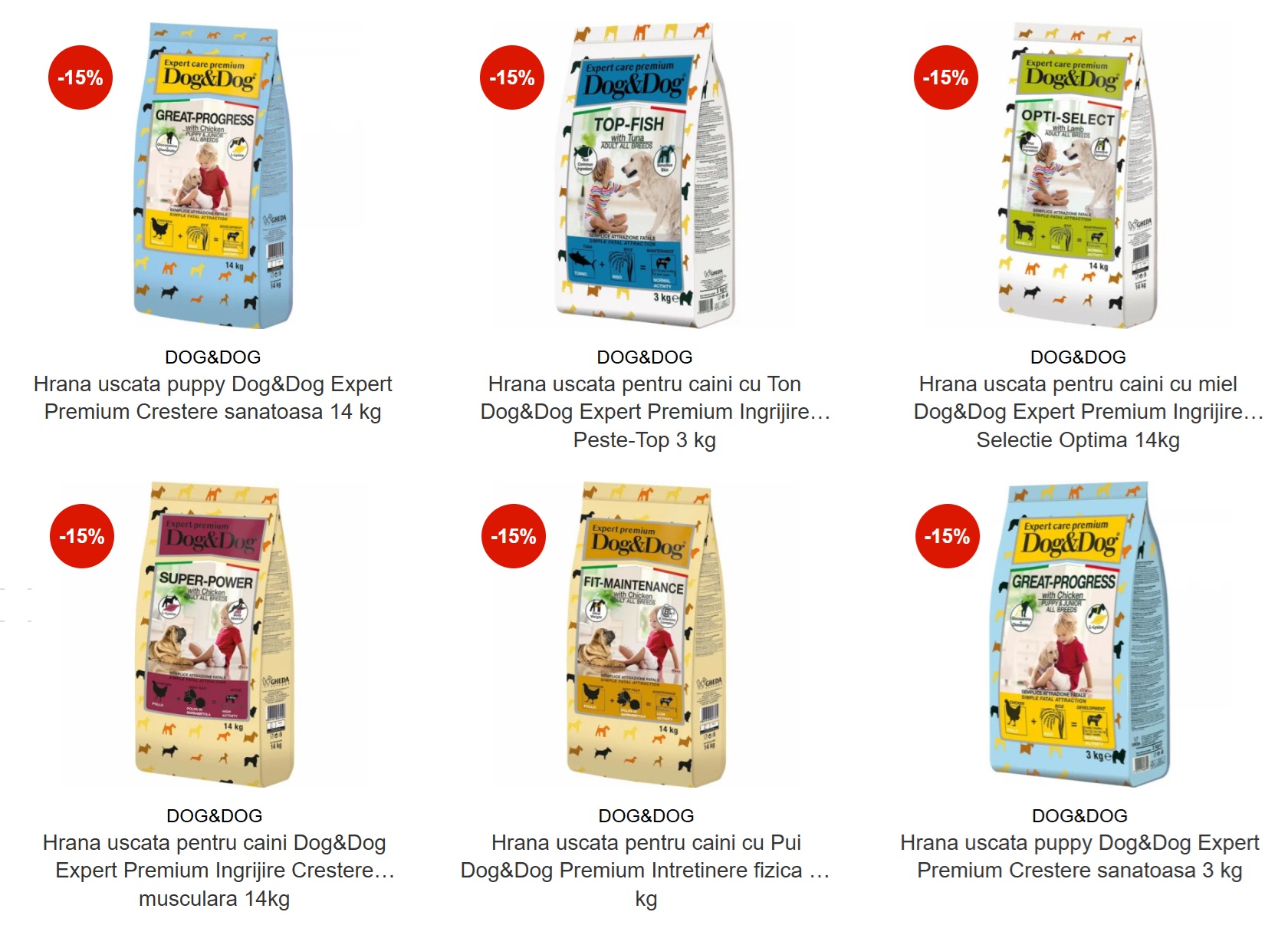
Everything you need to know about Dog & Dog – Dry Dog Food
Obesity in dogs and what should be done?
The dog needs to have a happy, balanced and healthy pet
How do you choose and how do you use cat sand?
How do we help pets during winter holidays, full of strong noises and noises
The benefits of fish in the diet of our empty spaces
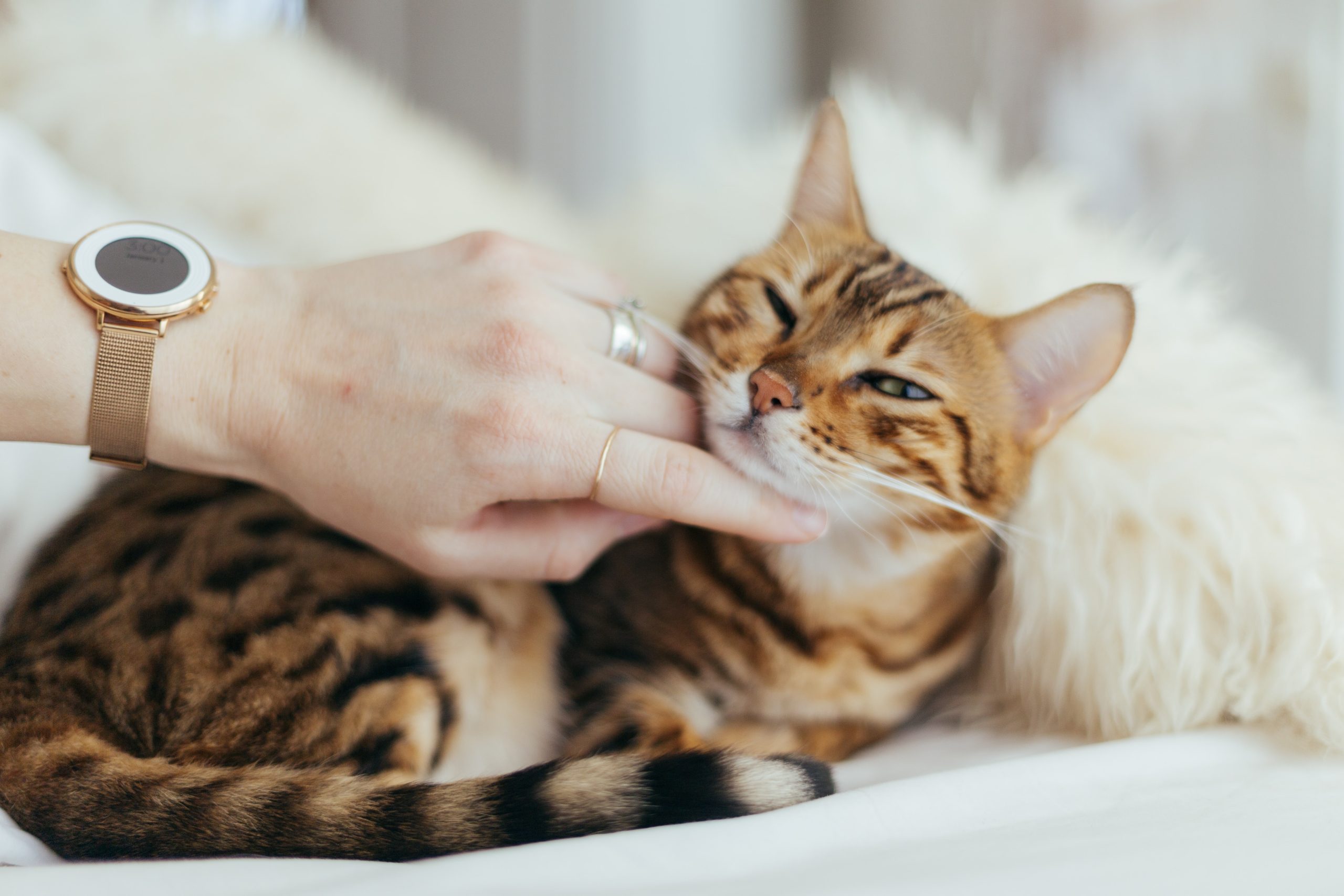
The joy of having a cat
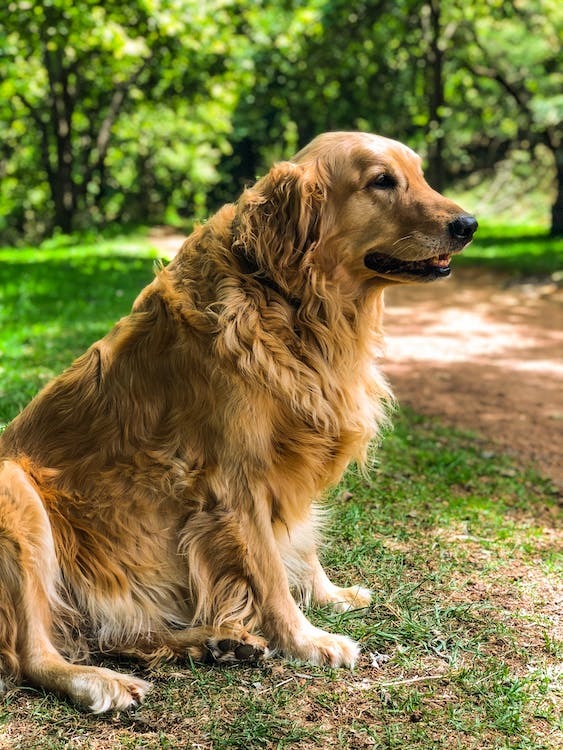
Golden Retriever, an energetic and favorite breed of children