
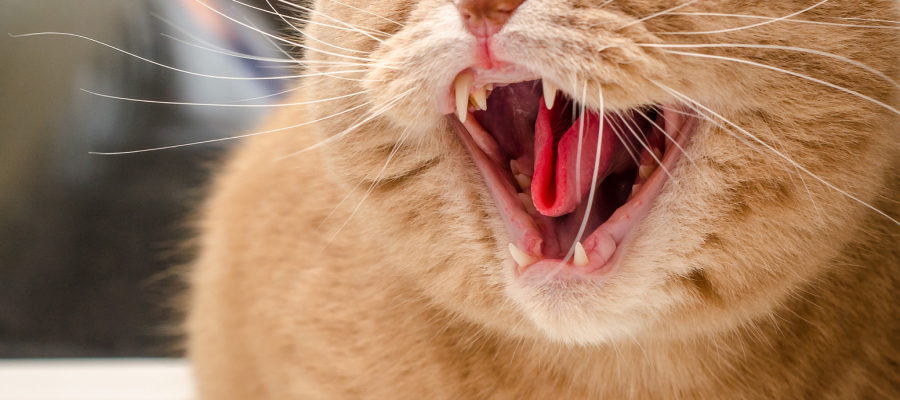
Learn how to assist the cat or the dog to deal with this issue Pets play a vital role in our lives and, similar to us, they can experience stress in various situations. It is essential to notice the signs of stress that arise from cats and dogs, as a stressed animal may face health and behavior issues. In this article, we will discuss how to recognize these signs and discover what steps you can take to help your pet handle his anxiety better.
Signs of stress in cats:
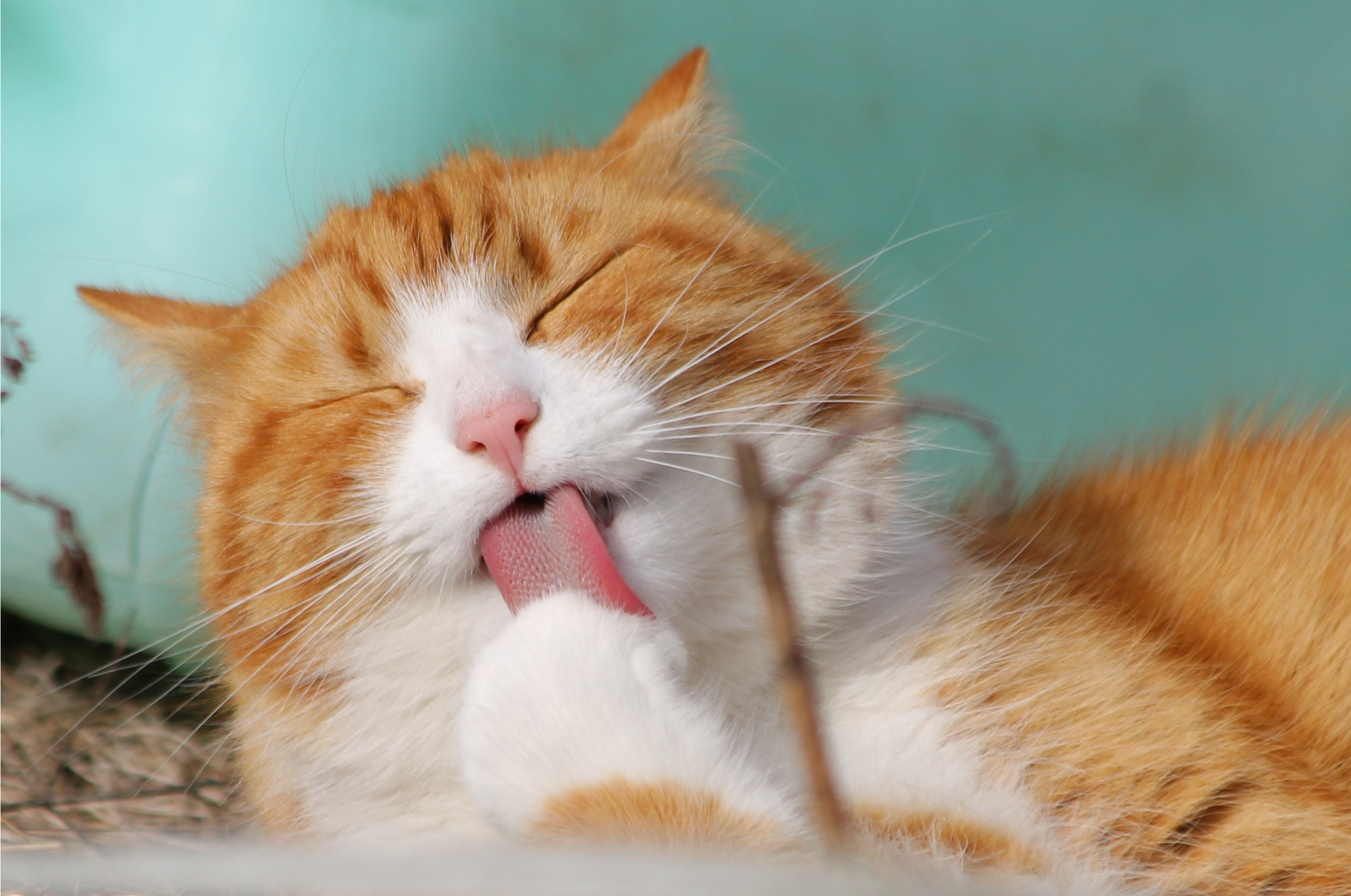
1. Too much grooming of the fur: cats commonly clean their fur (with their tongue) to feel calm, but when there is too much grooming, it may signal stress or unease.
2. Hiding a lot: if your cat starts to hide in strange spots or stays away from social interaction, it could indicate stress. Don’t delay taking action!
3
4. Marking the area: frequent urine marking may show stress, particularly when cats attempt to establish their own territory.
5. This behavior may be directed towards other pets and people.
How to assist a stressed cat
● Create a secure space: ensure your cat has access to safe and cozy areas to retreat to when they feel the need.
● Toys and engaging activities: provide your pet with toys and activities that challenge the mind and amuse them, leading to less stress. Order some of the most popular cat toys online right now at Petmax.ro
● Use calming scents: scents for cats can help soothe and improve their well-being. The availability of diffusers with calming scents in stores can be an effective option.
● Regular vet check-ups: stress in cats can sometimes be linked to health issues. Consult a veterinarian to rule out any medical concerns.
 The beauty and care of the cat must start with …
Why do we face these issues?
There are many reasons for stress in dogs and cats, and recognizing them is important to provide proper care and avoid health and behavior issues. Here are some key points to think about:
1. Changes in the surroundings:
– Sudden moves (like a new house or major renovations) can stress pets.
– Bringing in new animals or losing a family member (human or pet) can lead to anxiety.
2. Altered routine:
– Any big change in daily habits, like feeding or walking at different times, can cause stress in pets.
3. Lack of mental and physical activity:
– Dogs and cats require both physical and mental exercise to stay healthy and avoid stress. Not having these activities can result in bad behaviors.
4. Health issues:
– Pain or physical discomfort, for instance, due to a health problem, can increase stress.
– Parasites like fleas and ticks can also bring about stress and discomfort.
5. Severe weather conditions:
– Extreme temperatures, strong storms, or unusual sounds can affect pets and cause anxiety.
6. Past traumatic events:
– Animals that have experienced negative situations, like abuse or neglect, may develop long-term stress or anxiety.
7. Separation from the owner:
– Being away from the owner for a long time or frequent changes in the separation routine can result in separation anxiety in dogs and cats.
8. Poor communication:
– Owners need to recognize their pets’ communication signs to avoid triggering stress. For instance, avoiding eye contact, excessive grooming, or licking can signal stress.
9. Not meeting basic needs:
– Not providing a proper diet, fresh water, and cleanliness can add to stress.
10. Hormonal changes:
– Similar to humans, hormonal changes can affect pets’ behavior and mood, especially during puberty or old age.
Signs of stress in dogs
● Constant paw licking: dogs may lick their paws when feeling stressed, which might cause skin problems or injuries.
● Not eating: if you see your pet turning down food, this might show signs of stress or unease.
● Excessive barking or whining: when dogs are anxious, they might bark or whine more than normal to express their feelings.
● Avoiding eye contact: a dog under stress might avoid looking at you and seek out a quiet spot to hide.Check out the article The dog needs to have a happy, balanced and healthy petHow to help a stressed dog1. Regular exercise: staying active is important for a dog’s mental well-being, similar to how it helps humans. Daily walks and play can help relieve stress.
read more How to prepare your pets for the cold season
3. Use calming toys: calming toys can provide distraction from stressors. Check out some toys for dogs on sale here.
4. Reward good behaviors: positive reinforcement can build trust and lessen anxiety. Praising desired actions will encourage your dog to feel more secure and joyful.
5. Consult a dog behavior expert: if stress continues or becomes an issue, a dog behavior expert can offer tailored advice and methods to help your pet cope with anxiety.Read the article Your dog can feel happy! Here’s howIn summary, recognizing and handling stress in dogs is vital for their overall health. Every pet is different, and the best approach can differ. Observing their behavior closely and creating a stable, loving environment is key to a happy, healthy life for our furry companions.You can also check out the material How to protect your cat from household dangers here on the blog.
latest posts published
The health of the joints in dogs – more important than you would have thought!

Everything you need to know about Dog & Dog – Dry Dog Food

Obesity in dogs and what should be done?

The dog needs to have a happy, balanced and healthy pet

How do you choose and how do you use cat sand?

How do we help pets during winter holidays, full of strong noises and noises
The benefits of fish in the diet of our empty spaces
The joy of having a cat

Golden Retriever, an energetic and favorite breed of children