

The chilly season is coming quickly, and getting pets ready for winter is vital to keep them well and joyful. Cold weather, the tough climate, and other winter issues in Romania can impact both dogs and cats. Here are some key tips to ensure your pets are prepared for the cold season.
1. Watch the temperature in the home:
Make sure your home is cozy for your pet. Animals with fur can handle colder temperatures than humans, but no one likes being cold all the time, right? Keep them away from extremely low temperatures inside the house.
2. Appropriate shelter for outdoor pets:
If you have outside pets, like dogs, give them a suitable shelter. An insulated and lined space can protect them from cold and dampness. Also, ensure your pets have access to water that won’t freeze.
For more details on choosing a pet for your home or yard, check out the article Which dog breeds are good for apartments or yards.
read more Better development and health of children
3. Pet attire:
Pet clothing isn’t just about style; it can help keep them warm. For smaller dogs or those with short fur, a sweater or coat can be essential during walks outside.
4. Proper cleanliness:
Keeping your pet clean is important in every season, but it’s crucial in winter. Make sure their fur is completely dry after playing in the snow and clean their paws well to remove salt or chemicals from the streets.
5. To keep energy and health in winter, pets may benefit from nutritional supplements.
See here which food supplements or dog vitamins (and for cats, here) are best in our online shop!
In winter, the right supplements can aid the health and happiness of pets of all ages. Due to colder weather and fewer chances to play outside, some supplements can help sustain energy levels and strengthen pets against the cold.
read more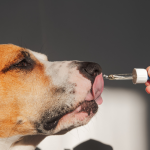 Essential fatty acids for healthy skin and dog fur
A commonly suggested winter supplement is fish oil, providing necessary omega-3 fatty acids. This can help keep skin and fur healthy and lessen joint inflammation. It can also boost immunity and positively affect heart health.
Vitamin D is another essential supplement since pets spend more time inside during winter and get less sunlight, which is a natural source of vitamin D. A vitamin D supplement can help maintain bones and immune function.
For older pets or those with joint issues, chondroitin and glucosamine supplements can support joint health and ease discomfort from conditions like arthritis. We have listed the most popular products here in the pharmacy for dog joints.

 Common mistakes that the owners commit when they feed cats
6. Regular walks
- The chilly season does not mean you should stop walking or being outdoors! It is essential to keep your pet active, even when it is cold. With the right gear, you can enjoy short and frequent walks to help your companion stay flexible and lively. Here are other suggestions for walking with your furry friends:
- – Choose the right times: avoid walking during the colder parts of the day. Early mornings or late evenings are often the coldest times. Check the weather to ensure you stay away from days with severe temperatures.
- – Proper gear: if your dog has short fur or is more sensitive to cold, you can get special coats for dogs, like jackets or sweaters. Also, be sure to have a leash and a harness that are in good shape to offer control and security – Find the right gear here!
- – Protect the paws: snow and ice can be tough on a dog’s paws. You can use special booties for dogs or apply a balm to their paws to shield them from frost and the salt used on roads.
- – Monitor body temperature: when walking in winter, watch for signs of extreme cold or hypothermia in your dog, such as shivering, red paws, or slow movements. If you see these signals, head home right away.
- – Short walks: shorter and more frequent walks can be better than one long walk in winter. This way, you keep the dog moving while also protecting them from harsh cold.
- – Avoid unsafe surfaces: be cautious of ice and slippery areas. Select safe routes for both you and your dog and steer clear of places with traffic.
- – Water and food: make sure your pet has access to fresh water before and after walks. A nutritious and balanced diet will help them keep their energy up and withstand cooler temperatures.
7. Protect your animal from ice and chemicals
In winter, ice and chemicals used for melting snow can be harmful to pets. Ensure your cat or dog does not eat dirty snow or come into contact with harmful substances. Wash their paws well after walks.
8. Visit the vet
Do not forget to see the veterinarian before winter sets in, if needed. They can give you extra tips for care during the cold season, including details about suggested vaccinations and other specific needs for your pet.
Other helpful tips?
How can we aid pets during the winter holidays full of loud sounds and intense noises In conclusion, preparing pets for the cold season is crucial for their health and joy. By tracking the temperature, ensuring proper shelter, maintaining hygiene, and providing the right clothing, you can help your pets get through winter comfortably. More care during the cold months will make your beloved pets feel safe and protected.
read more
 Follow the waves of heat and heat? Here’s how to protect your dog
latest posts published
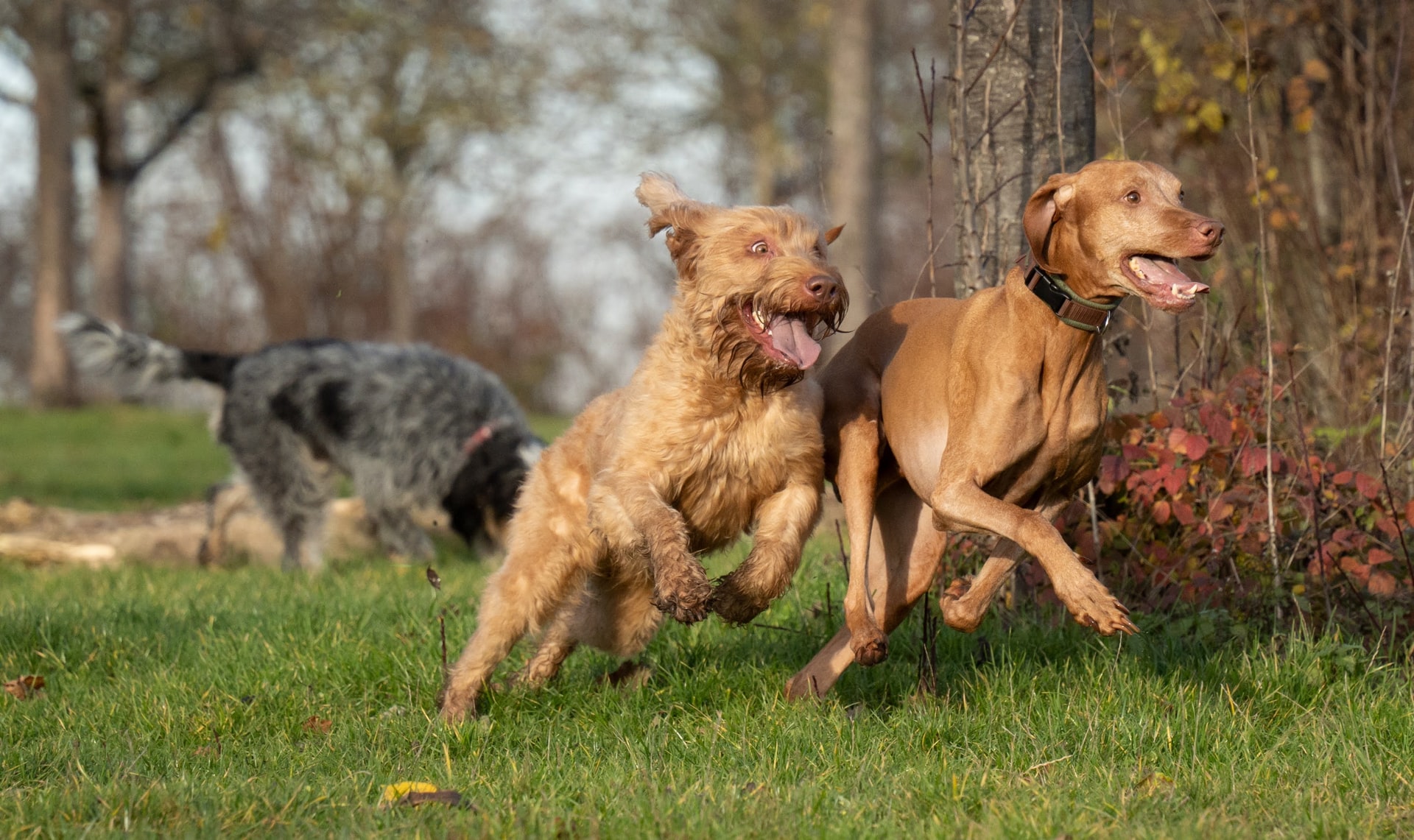
The health of the joints in dogs – more important than you would have thought!
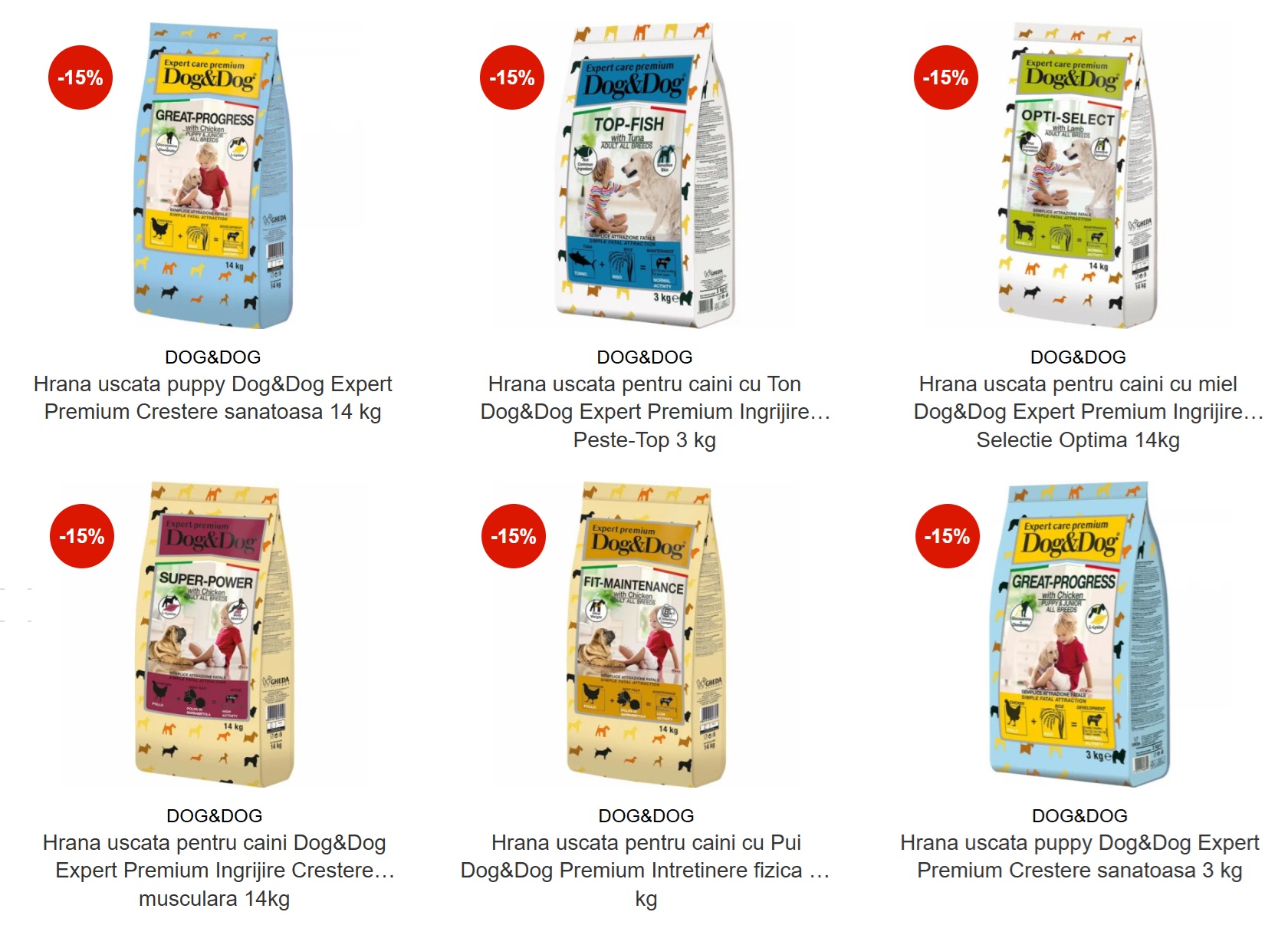
Everything you need to know about Dog & Dog – Dry Dog Food
Obesity in dogs and what should be done?
The dog needs to have a happy, balanced and healthy pet
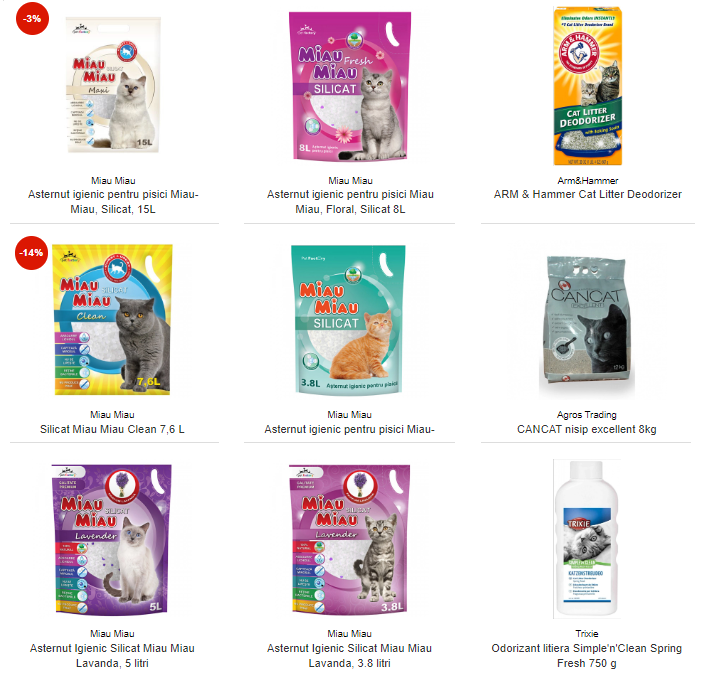
How do you choose and how do you use cat sand?
How do we help pets during winter holidays, full of strong noises and noises
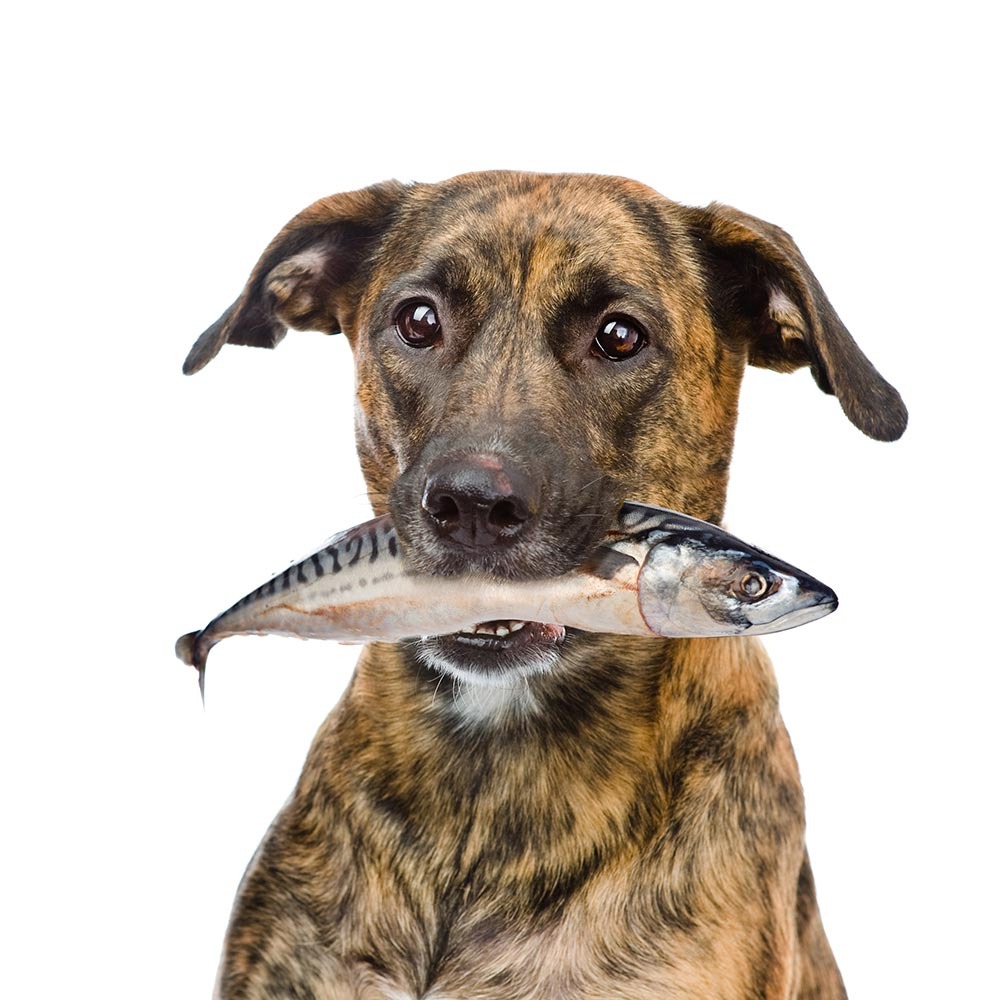
The benefits of fish in the diet of our empty spaces
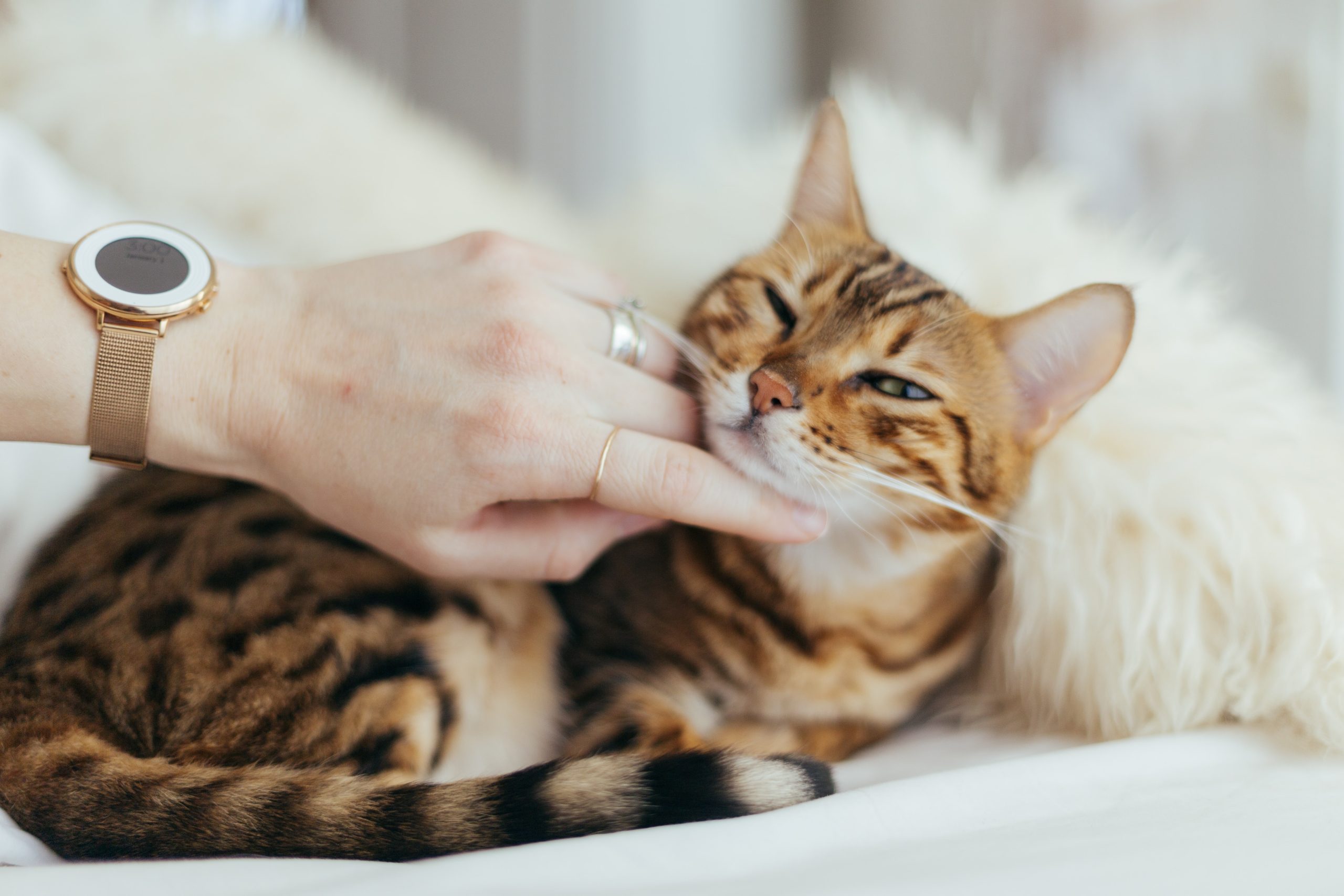
The joy of having a cat
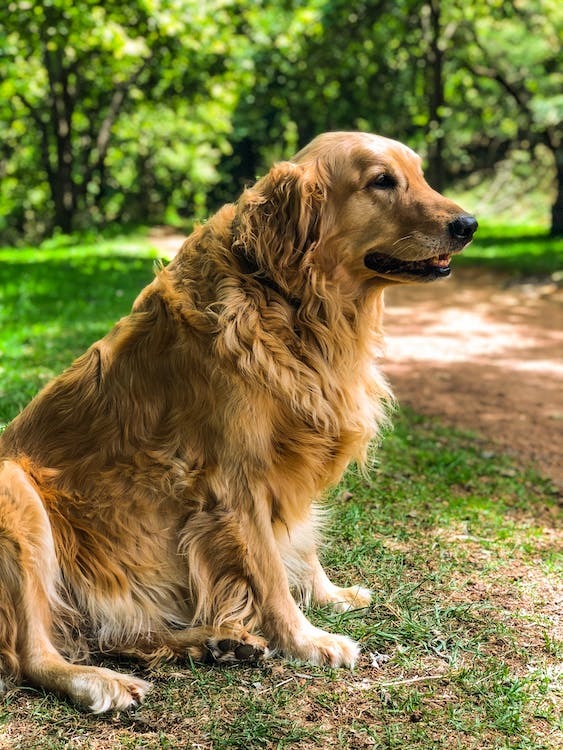
Golden Retriever, an energetic and favorite breed of children