

Author: Alexandra Marcu
Since those who have a car know the role and importance of the antifreeze, I believe that even animal owners should know the dangers behind this relatively common and common liquid, especially during very hot or very cold periods when our pets can come into contact with it more often.
The antifreeze, also called cooling liquid, is a mixture of ethylenglicle and propylene glycol with the role of maintenance of the engine temperature or thermal power plant within the operational limits. In addition, the antifreeze still has a very important feature … it is sweet! For this reason, this becomes a danger for both patrols and children.
The toxic dose for animals is 4.4 ml/kg in dogs and 1.4 ml/kg of ethylene glycol, but this does not mean that a lesser quantity cannot influence the body of the quadruped.
read more What do you need to know about the danger that he is hiding behind Dr. Google
What happens in the case of ethylenglicle intoxication?
Once the substance is ingested, it is absorbed in less than 30 minutes of the digestive tract. The presence of food in the stomach can slow down the absorption process.
In the first phase of the intoxication, from 30 minutes to 12 hours after intoxication, we can see neurological signs such as ataxia, depression has altered the general conditions. This phase is called «intoxication» phase because of the signs that appear. At this phase, crystals in the urine are formed.
In the second phase of the intoxication, the metabolic acidosis (the pH of the body decreases a lot) appears. Neurological signs can be completely or incomplete, but the quadruped begins to present general signs such as accelerated breathing, depression, general condition.
The last phase of intoxication is to influence renal function with a decrease in the amount of urine produced by the patient up to the state of anuria (the patient no longer produces urine).
read more Gastric dilation and twisting in dogs (GDV)
It is important to note that these phases may not be clearly observed and can be overlapping, it all depends on the patient’s body and the amount of toxic toxicity. In addition, a much more sudden evolution has been observed in the case of cats.
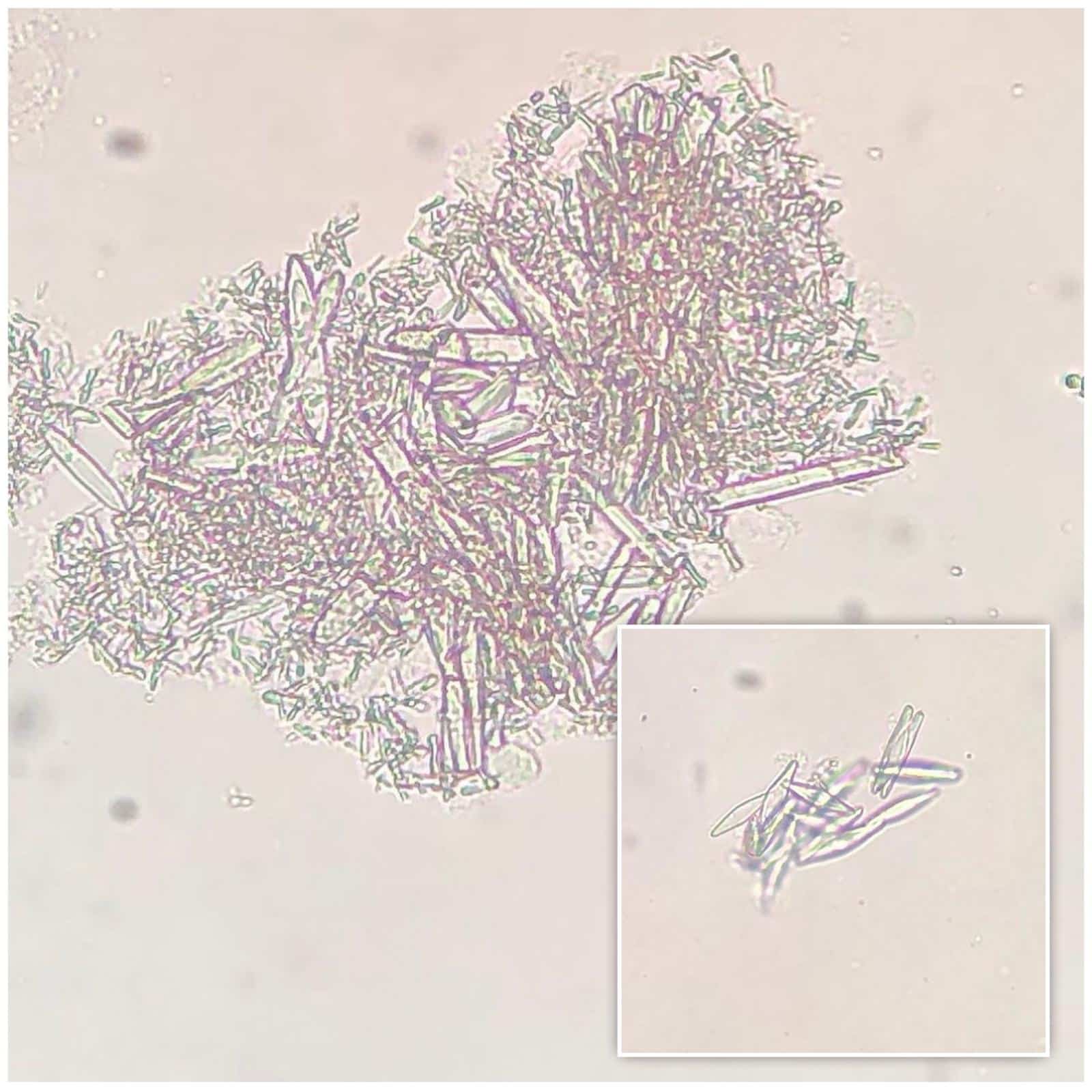
Diagnostic
The diagnosis is based on anamnesis, clinical signs and laboratory exams. Following the investigations, the time elapsed by the ingestion of the toxic and the general conditions of the patient will be carried out an appropriate therapeutic plan. The treatment period can vary considerably from a few hours to a few days. There are cases in which patients remain with partially compromised renal function or in which the body does not resist even after the administration of the specific and support treatment.
Treatment
The treatment depends on the factors mentioned above as the period of the ingestion of toxic conditions, quantities and clinics of the patient.
If the quadruped has been seen that has licked the toxic substance and will quickly be brought to the veterinarian, the first step will be the decontamination with the induction of the emesis (induction of the vomiting) and the administration of adsorbant drugs. Given the rapid absorption of this substance, there are few cases in which this type of treatment is suitable, especially alone.
read more Ultrasonic aspects of the adrenal glands in DiHor
If the past time is longer, the treatment includes specific drugs (FOMEPizole or Ethanol). It is integrated by support therapy (fluidotherapy, dialysis, drugs corresponding to the clinical state and complications).
What can we do to prevent?
- The antifreeze containers must be preserved in places where pets do not have access;
- The containers must be generally checked to not have losses;
- We frequently check the areas around the thermal power plants and radiators to detect any antifreeze losses;
- We are very cautious during walks to reduce the possibilities of our animals in contact with an antifreeze stain;
- If we think it is possible that our pet may have ingested antifreeze to emerge urgently in a veterinary medical center: time is essential!
Unfortunately, Ethilent Glycol poisoning is a medical emergency with a very high risk of death, and the speed with which we intervene is the factor that will determine the possibilities of survival.
Bibliographic sources:
https://pubmed.ncbi.nlm.nih.gov/6698834/
https://www.cliniciansbrief.com/column/consultant-call/etilene-glycolis-toxicosis-dogs-s
https://www.vethospital.co.nz/post/ethylene-glycol-nto-freeze-toxicity
Image sources:
read more Everything you need to know about babies
latest posts published
The health of the joints in dogs – more important than you would have thought!
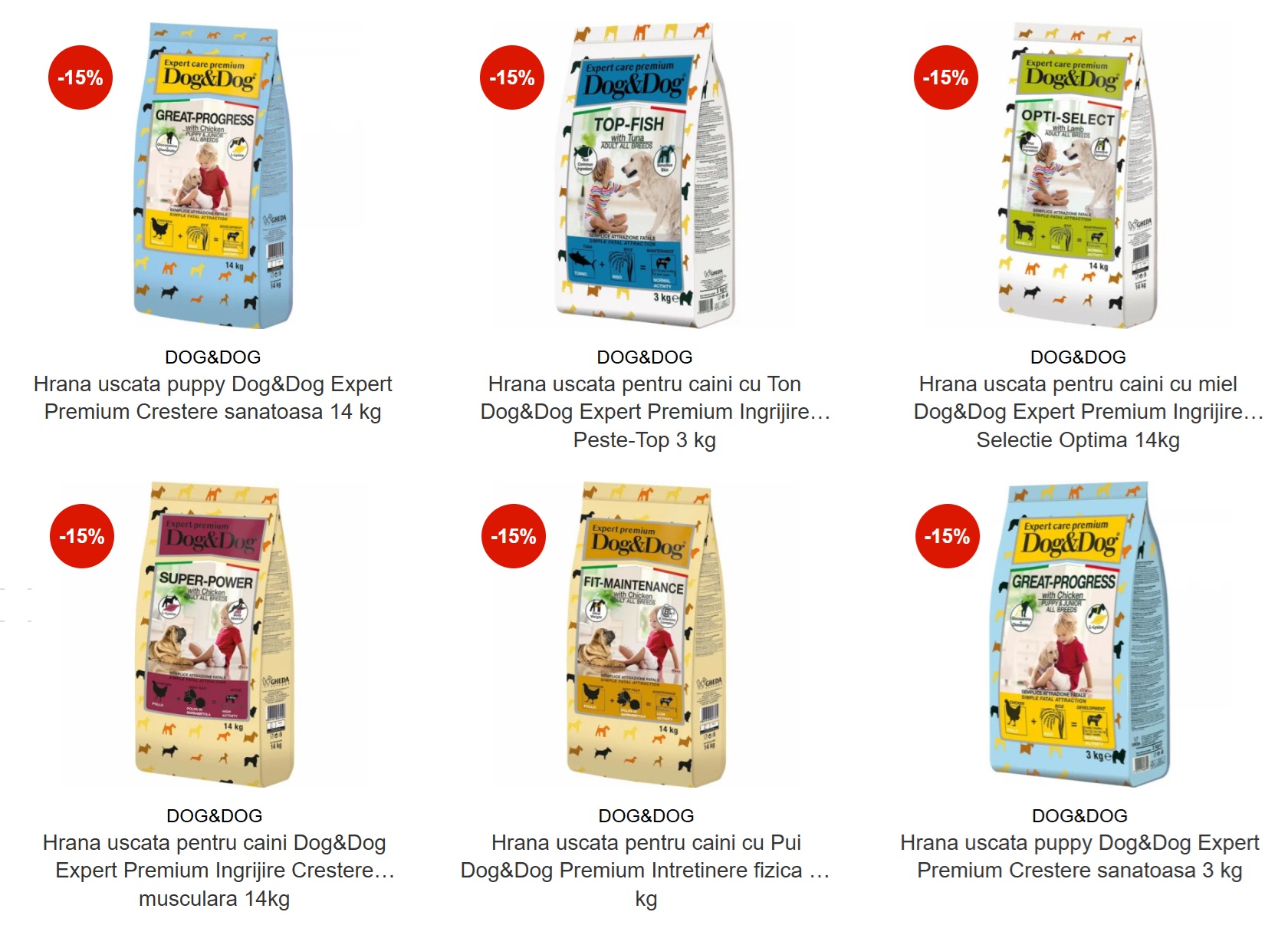
Everything you need to know about Dog & Dog – Dry Dog Food

Obesity in dogs and what should be done?

The dog needs to have a happy, balanced and healthy pet
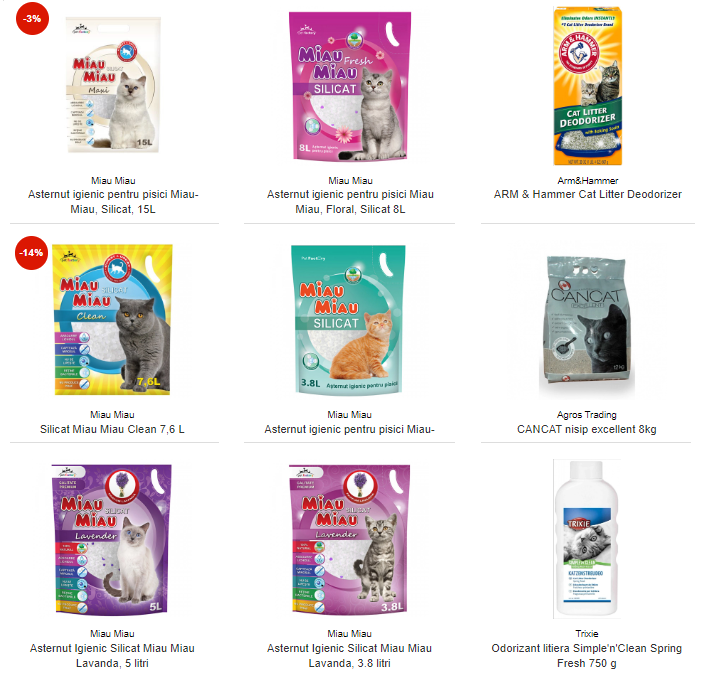
How do you choose and how do you use cat sand?

How do we help pets during winter holidays, full of strong noises and noises
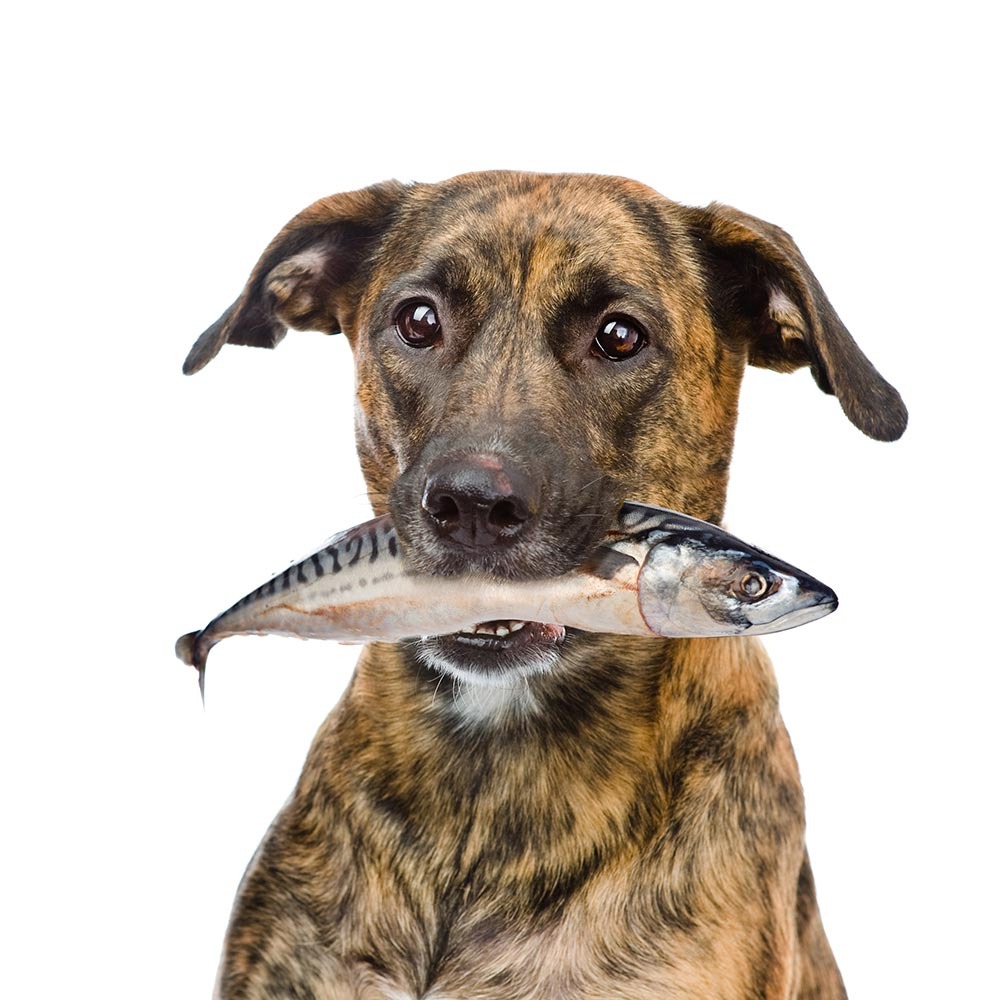
The benefits of fish in the diet of our empty spaces

The joy of having a cat

Golden Retriever, an energetic and favorite breed of children