
Author: DVM Somfalvi Rita
The Felino Coronavirus is a moncotenary virus (consisting of a single polynucleotid chain compared to DNA which consists of two chains) which is widespread all over the world. This can be of two types: the type I pure feline and the type II-combined with canine crownrus.
It is very important to mention the difference between the Feline and Sars-Cov-2 Coronavirus, the two that are part of different genres.
How is this virus transmitted?
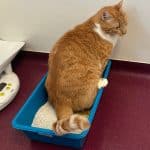
The transmission takes place through the stool, largely indirectly, through contaminated objects (litter, cleaning blade, etc.). Once infected, patients may remain virus eliminators from a few days to several months.
13% of cat infected cats remain asymptomatic bearers.
The virus is inactivated at temperatures of 60 ℃ and most of the usual disinfectants. In optimal conditions for the virus it can preserve its virulence until a few weeks.
 Suggestions for the adequate care of senior dogs
How does this pathology manifest itself?
Feline Coronavirus often manifests itself with gastrointestinal signs, generally weaker than the intensity than the feline panel. The signs include inadequate and soft chair, cushioned general conditions, vomiting and affections in most cases young patients under the age of 1.
The diagnosis is based on clinical signs and rapid tests of detection of the faecal antigen.
Of the gastrointestinal syndromy viral the pif
The main cause of the transition from a gastrointestinal syndrome to a systemic disease with high mortality is that the genome virus undergoes its structure that goes from the attack of gastrointestinal cells to monocyte infection (white cell line). This is called internal mutation theory.
read more Fast First Aid | When to apply RCP to dogs and cats?
Although the reasons why these changes occur are not yet known that stress and genetic factors have a great weight in this phenomenon.
Studies show that under 10% of FCOV -infected cats they develop pif (of which 70% are pure, pedigree and 50% is less than 2 years).
The clinical signs of infectious peritonite
Since clinical signs are discussed by two types of pif:
- The humid/efficient form in which the patient has accumulations of liquid in the thoracic, abdominal and/or pericardial cavity. In this form the patient has both signs of respiratory failure (if the accumulation is in the chest) and the increase in the dimensions of the abdomen (in the case of accumulation of liquids in the abdominal cavity) or both. The patient may have atypical clinical signs manifested by inadequacy, hyperthermia, general cushioned condition, reduced muscle mass.
- The dry form occurs with the inflammation of the different organs. Consequently, we discuss ocular impairment (uveite), neurological impairment, lymphadenopathy (changes in lymphocents, generally those in the abdominal cavity), nephomegaly (increase in kidneys in volume). As clinical signs, the patient has a bad general condition, hyperthermia, inadequacy, weight loss and, depending on the organs concerned, changes such as jaundice or organ functions may occur.
diagnosis
read more What do you need to know to save their lives
The diagnosis of certainty is made based on the form of the disease. In the case of the wet form RT-PCR in accumulated liquids is considered standard gold.
In the case of the dry form, RT-PCR is recommended by puncture/biopsy/cerebrospinal or watery humor fluid (depending on clinical signs).
Before reaching these investigations, some even invasive and expensive, it is recommended to perform clinical tests and paraclinical investigations such as hematological and biochemical blood tests, abdominal ultrasound.
It is important to note that the disease affects the systemic patient and, in addition to the diagnosis of certainty, the patient’s general health must be evaluated.
To remember:
read more Urinary obstructions in cats
- A positive antibody test FCOV does not mean pif
- Blood PCR tests to detect FCOV antigen are not relevant because the virus persists for a short period in the blood/plasma and a negative result does not exclude the disease
From a fatal disease to life to life

In recent years, researchers have studied and actively worked in the development of a healing effect. Although the product is not yet approved on the pharmaceutical market and many of the side effects are not known, the GS-441524 antiviral drug has started to be increasingly used by patients with this diagnosis and studies continue to appear in literature with promising results. This antiviral treatment that is now in the injection form and in the form of capsules can be purchased by the owners and can be administered to patients with this diagnosis based on an act in which the owners assume the related risks and the side effects that could occur.
The treatment consists of 84 days in which the patient receives this antiviral according to the clinical form of the disease, at the same time with the support treatment that differs according to the general conditions of the patient and the needs of the body. During this period, periodic analyzes are recommended to follow the patient’s evolution. Support treatment, nutrition, monitoring and communication with a careful veterinarian are essential during treatment.
Both the recurrence of the disease, the aggressive side effects and the cases in which efficiency was not enough, were mentioned in the literature.
Another important mention is the cost of this treatment that can amount to several hundred euros.
Conclusions
Although at the beginning of the road, we can say that at the end of the tunnel there is a light for an incurable disease and extra hope for affected patients.
We recommend to the owners who are in the unfortunate situation of having a cat with clinical signs to speak with the veterinarian of the therapeutic options and to make decisions both on the basis of the clinical exam, the analyzes, the protocol to balance the risks and benefits for the good of the patient.
In addition, the owners who buy pure breed cats, from Salis and beyond, visit the doctor to evaluate the new member of the family and discuss investigations to diagnose a potential carrier of the Fcov virus.
latest posts published
The health of the joints in dogs – more important than you would have thought!
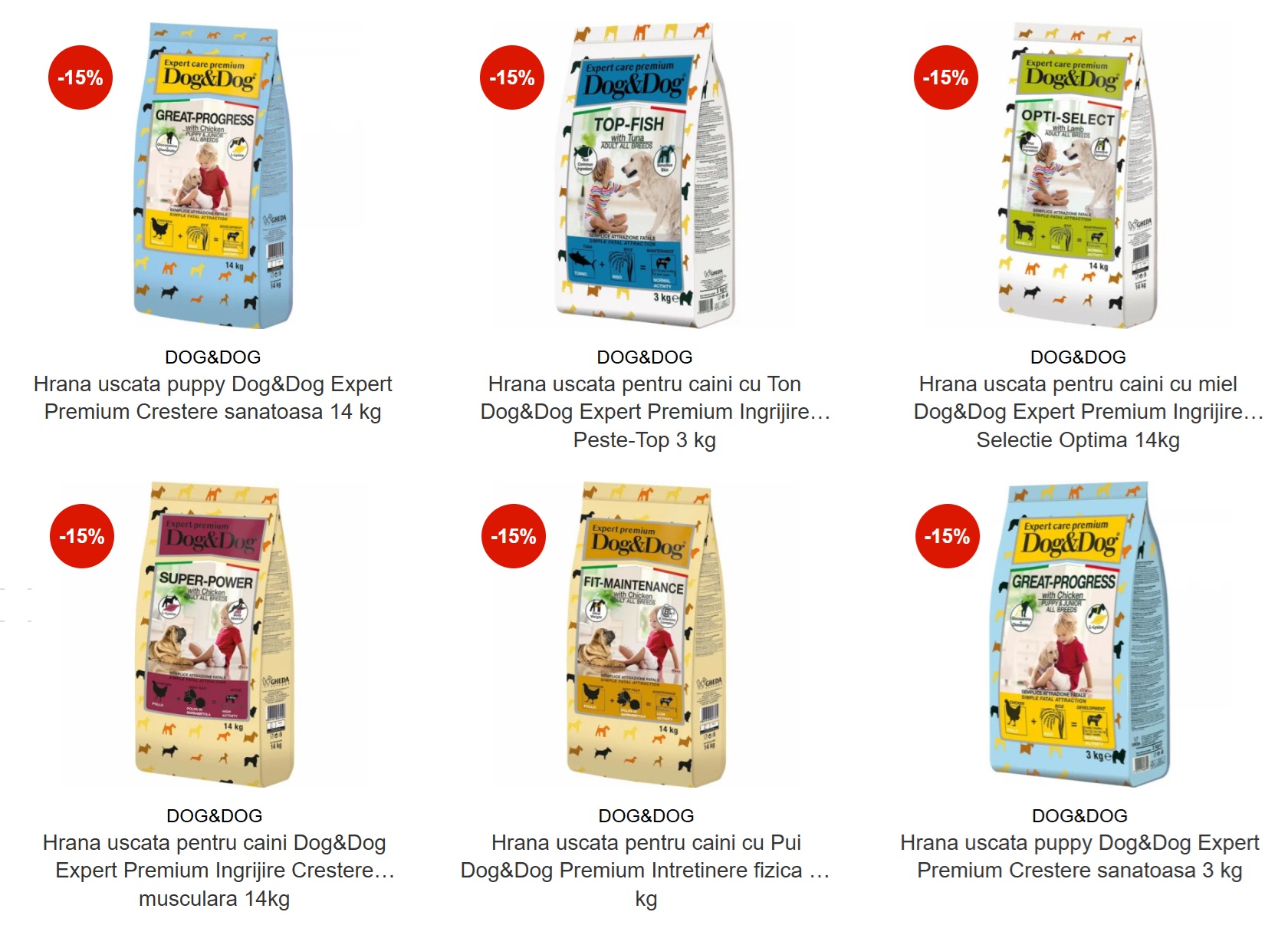
Everything you need to know about Dog & Dog – Dry Dog Food

Obesity in dogs and what should be done?

The dog needs to have a happy, balanced and healthy pet
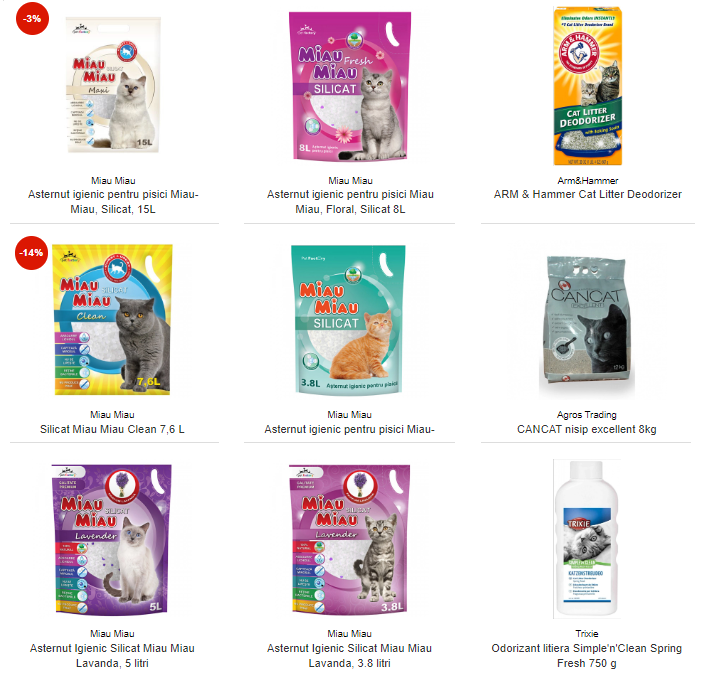
How do you choose and how do you use cat sand?

How do we help pets during winter holidays, full of strong noises and noises
The benefits of fish in the diet of our empty spaces
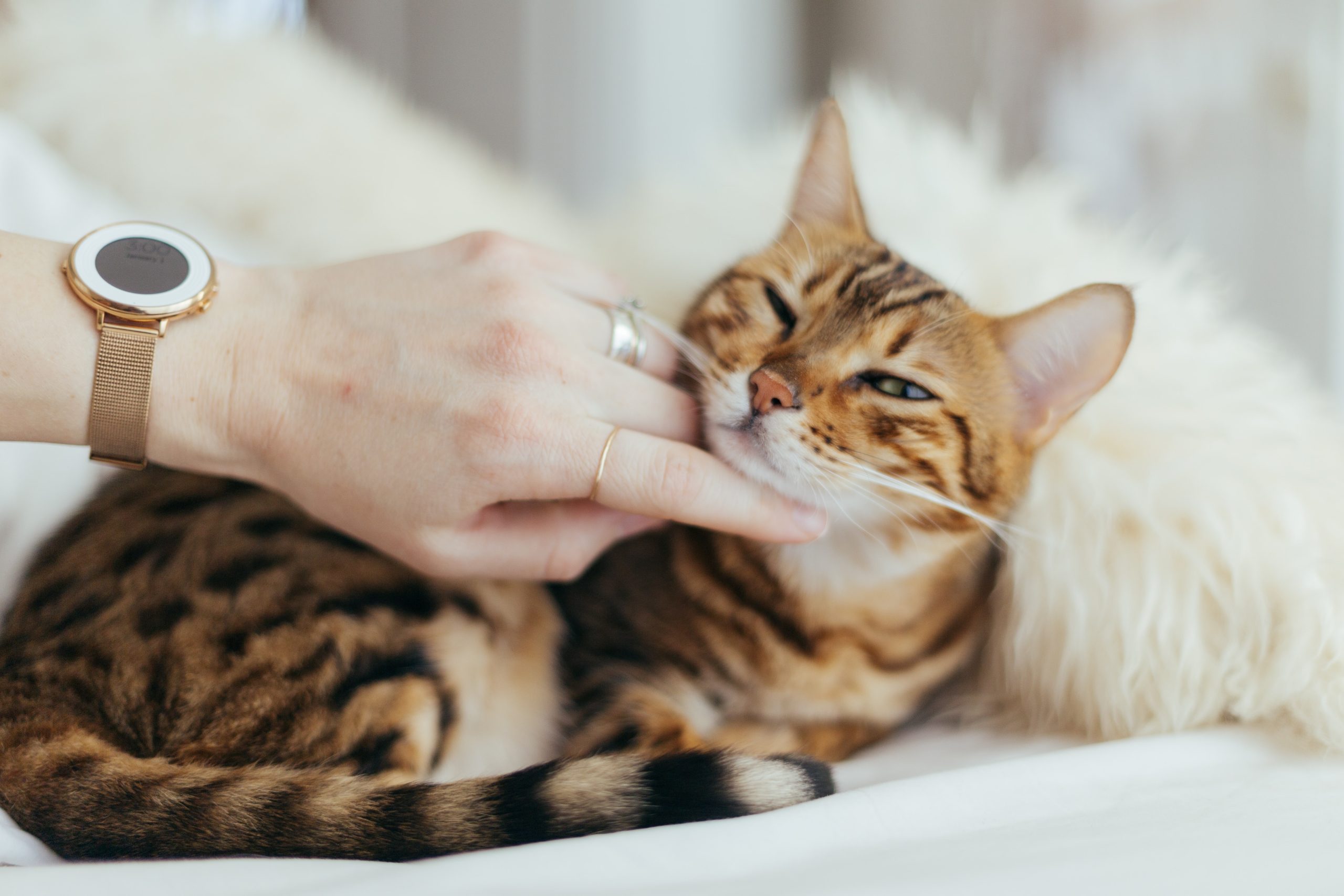
The joy of having a cat

Golden Retriever, an energetic and favorite breed of children