

With the domestication of cats, they were taken to different places compared to where they would naturally live. Today, many cats are kept indoors, having little to no interaction with the outside world. On one side, this reduces their chances of meeting other cats and catching diseases that could come from outside or from other cats and decreases the risk of injuries and bad incidents. On the other hand, however, the number of behavior issues has risen, directly linked to how well the cat can adjust to this new setting.
Some of the behavior issues of cats include: urinating and defecating outside the litter box, feeling anxious, having eating problems, trouble focusing, being aggressive, having accidents, and repetitive actions like excessive grooming and scratching furniture.
Providing an enriched environment can boost their activity, lessen boredom, and help avoid many of these issues. All cats require mental engagement, but it is especially vital for indoor cats. An enriched environment will give cats chances to create their own enjoyable experiences in a limited space. The goal is to build an «interactive environment» for your cat. This includes ample space, litter, food, water, and activities.
Interactive
Even though regular diets can meet the nutritional needs of house cats, their usual presentation may not encourage normal hunting behaviors (exploring).
read more How do we choose the right toys for our quadrupeds?
Since cats have developed as small prey hunters, those raised at home with other cats feel much more at ease if fed in separate bowls placed a bit apart. Food bowls should be located in quiet areas, away from interruptions by other pets or machines (washing machines, refrigerators, dryers). Cats that have constant access to food generally prefer to eat smaller meals throughout the day rather than one or two large meals. However, unrestricted access to food removes chances for cats to behave as natural hunters, and most cats will pursue prey opportunities when they arise. The lack of chances to show predatory behaviors can prevent cats from getting needed mental and physical exercise, which can lead to obesity and additional health issues.
To make feeding more engaging, you can use food puzzles or interactive toys. You can buy these items at pet stores, online, or even create them at home. To make puzzles, you can use a cardboard box or a plastic bottle, just cut small holes in it and fill with your cat’s favorite food or treats.
After a few days, try to conceal the treat near the starting spot, but not exactly in the same location. Once the cat has gotten used to «hunting» for the treats, you can shift to further places. This should be done daily so your cat becomes familiar with the search and reward routine. If days pass without a reward, your cat will stop looking. The boxes, bags and objects that are out offer great hiding spots for cats.
Place of the needs of cats (liter)
The suitable litter choices are another key part of the setting where a cat lives. The usual behavior of cats for their needs involves a series of steps such as: digging in the area where they will go, the position taken for defecation/urination, and covering the feces.
read more Toxoplasmosis – between myth and truth
Litro Opero and Open is a great option because they provide good spaces for these actions. The litters with automatic cleaning keep the place cleaner, but the cats that dislike their noisy sounds and movements will avoid them. Like food dishes, the litter must be in a quiet spot without too many sounds or electronics that could turn on unexpectedly.
Many cats like scents and fine particles.
The litter must be cleaned every day, and the litter box should be changed weekly. When it comes to our house cat, we must keep in mind that this is a solitary species (except lions) that prefers to hunt alone and has a strong sense of territory. However, one of the traits of cats is their ability to adapt to different situations in the environment. They can live in groups in a shelter if their basic needs are met and the space is big enough to fulfill these needs for each cat alone.
First, the spaying/neutering of cats in the same home is crucial to avoid unwanted litters, but also to prevent conflicts due to hormonal shifts.
Therefore, no matter the size of the home, it is very important to have separate areas where cats can feel secure and retreat when needed.
read more The importance of the ophthalmological examination in pets
Regarding resources (waste, food, water, etc.), it is vital to meet the needs of all the cats in the place. There are cases where they can share these resources without issues, but sometimes it is necessary for each cat to have their own resources. This can be noted by observing the cats in the environment and watching how they interact with each other and with these resources.

The signs of disagreement between cats can be clear or subtle. The signs of a clear disagreement are simple to spot; Cats may follow each other, hiss, and arch their backs with straight legs and fur standing up to look bigger. If neither cat backs down, they might escalate to hissing, fighting and biting.
The subtle disagreement can happen when the stressed cat stays away from the group, hangs out in parts of the house that others avoid, or only tries to engage with family members when the dominant cat is not around.
Cats become socially mature and start to take charge over their social groups and their activities between the ages of 2 and 5 years. This can result in an open disagreement among males, females, or mixed groups. The cats involved in the disagreement might never be «best buddies,» but they can usually coexist without showing signs of disagreement or trouble. In serious situations, a behavior expert can be consulted for help with the desensitization and behavioral management of cats in conflict, so they can share the same spaces more comfortably.
read more How do you choose the veterinary clinic suitable for your pet?
The behavior system
A better indoor environment lets cats show their natural behaviors, including scratching, chewing, and playing. Many of these actions, although natural, may be seen as unwanted by cat owners if they happen on valued household items, like plants, furniture, and decorations.
The owner’s frustration can be reduced by offering appealing and suitable items as alternatives for these behaviors. Scratching keeps their claws healthy and is a way for them to mark territory visually. The favorite materials for scratching structures can vary. Materials, like posts covered in sisal or natural bark, can attract some cats because they allow them to scratch effectively.
Cats generally scratch on important upright items in areas where they spend a lot of their time. They scratch even more frequently when they stretch after resting or sleeping. Therefore, scratching posts should be placed in areas of the home that are frequently used and near their favorite resting spots.
Unwanted chewing can be prevented by providing various safe items and plants. Safe plants and fresh veggies are two interesting options. Owners can coat the selected «cat plants» with tuna juice or wet cat food to motivate exploration and chewing.
Other plants should be kept away from the areas where the cat spends most of its time, and/or treated with a bitter taste to make them less appealing. Toxic plants must be removed from the home or placed in a secure room where the cat cannot go. Additional chewing options include items made from soft leather, dried fish, and beef or chicken.
Game actions in cats are closely tied to the natural order of hunting, stalking, invading and biting.
Cats also enjoy playing with things they can catch, toss in the air and those that are thrown. A safe way to meet their need to play is by using toys that create space between the cat and the owner’s body. Promoting game actions and biting using hands and feet can teach the cat that it is enjoyable to chase, pounce and bite the owner, which can lead to playful attacks. Good examples of suitable toys include fuzzy toys; Battery-operated toys that mimic prey; balls inside a container or tub; Toys filled with catnip; And light pointer games.
In summary, cats exhibit a range of special behaviors and requirements; A detailed look at their physical and social setting is essential for accurately assessing environmental quality and creating an effective treatment plan to address any behavioral issues in your cat’s life. For additional details, feel free to reach out to the veterinarian who can assist and advise you properly.
latest posts published

The health of the joints in dogs – more important than you would have thought!

Everything you need to know about Dog & Dog – Dry Dog Food

Obesity in dogs and what should be done?
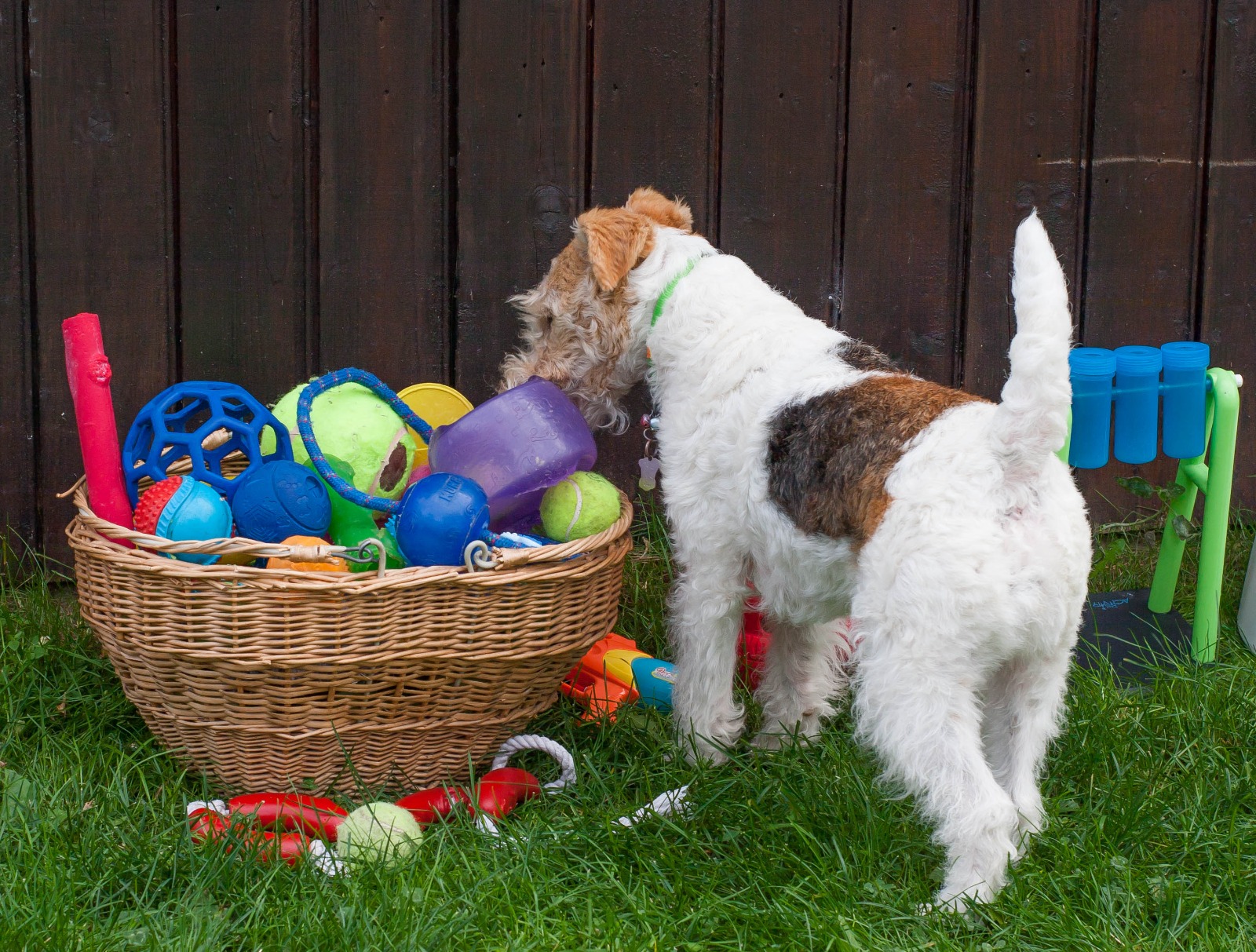
The dog needs to have a happy, balanced and healthy pet
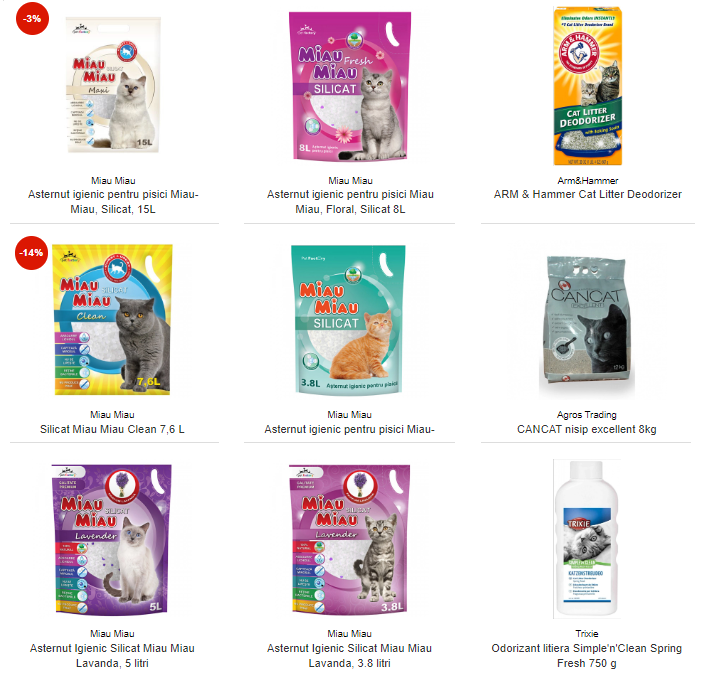
How do you choose and how do you use cat sand?

How do we help pets during winter holidays, full of strong noises and noises

The benefits of fish in the diet of our empty spaces
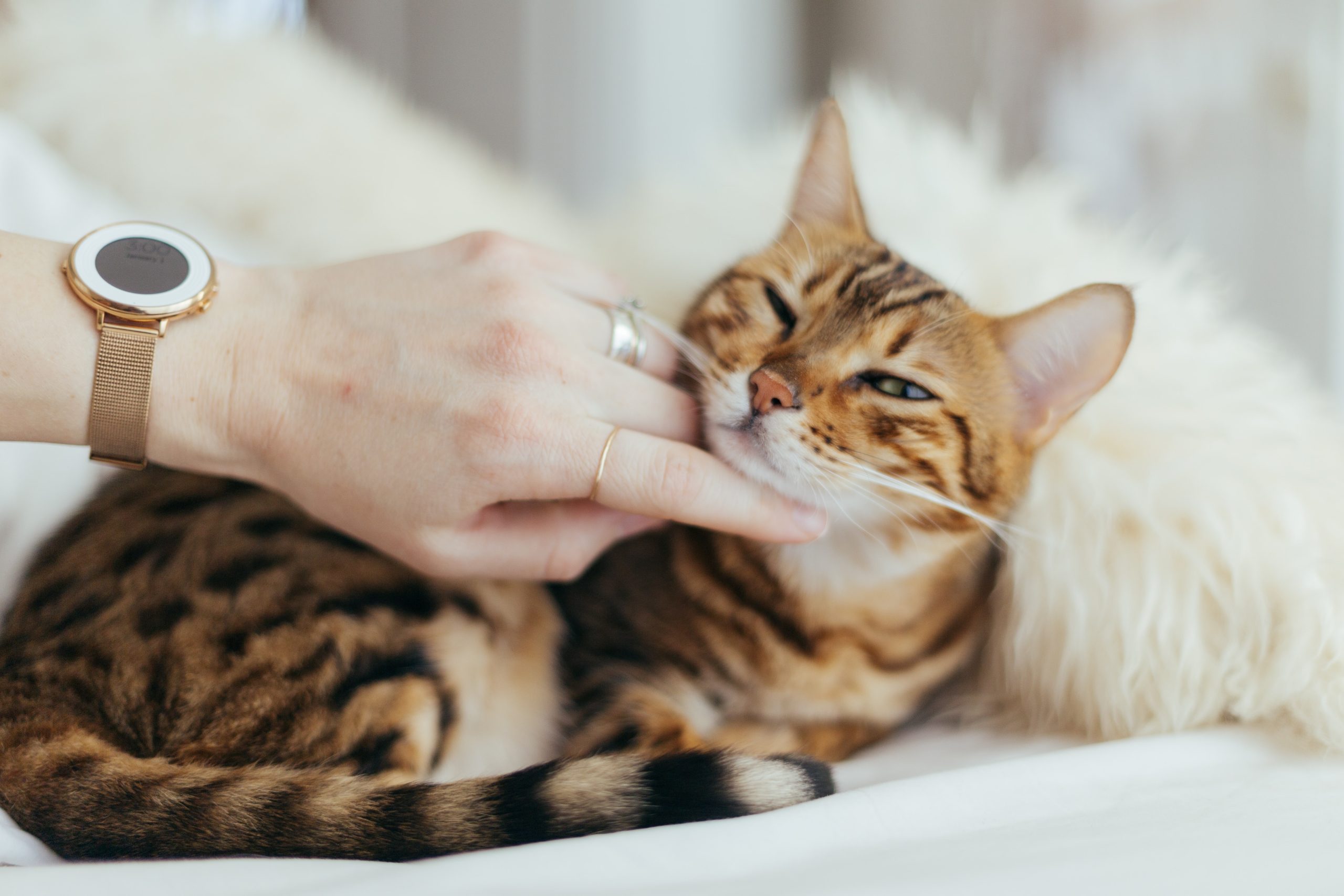
The joy of having a cat

Golden Retriever, an energetic and favorite breed of children