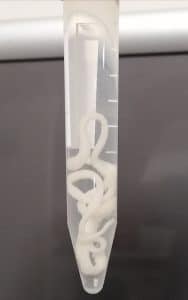
The CO -Parasitological examination represents the microscopic analysis of the fecal matter, in order to detect eggs, oocists and parasites larvae with enteric or pulmonary tropism. The execution of the examination co -parasitological is very important to the health of the animal because the infestation with parasites can endanger health and in some cases also the life of the patient. Clinical signs differ according to weeds. If we discuss parasites with affinity for the digestive tract, the predominant signs will be digestive, while lung parasites often give respiratory signs. In case of enormous infestations and with patients suffering from comorbilities these parasites may also lead to the patient’s death.
The importance of the examination co -parasitological in pets
In patients with organ disorders such as kidney or liver, the co -parasitological examination can be performed periodically to avoid the administration of prophylactic antiparasite treatments.
Another reason why this analysis is important is linked to the ability to transmit parasites from animals to humans, children are the most affected. If the result of the examination co -parasitological of the animal is positive, the owners must consult the human doctor, in order to perform the examination of the all -family examination of the whole family and to establish a treatment if necessary.
Since the first step towards a correct diagnosis is the correct collection, we will give you some suggestions.
read more What should you know before adopting a dog? Essential suggestions of Dr. Cristian Cristea, Pet Stuff Veterinary Hospital
First of all, it is recommended that the samples are collected in a sterile colleague. It is also important for the owner to wear disposable gloves and collect from 4 different places of that seat, then wash his hands, for his safety.
Ideally, the samples arrived in the laboratory contain feces of 3 different chairs (about 10 grams for an examination with -Parasitological), brought as soon as possible. It is recommended to keep them at 2-8 ° C.
Inside the Pet Stuff Laboratory, 3 Co -parasitological examination methods are used (generally chosen in anamnesis and clinical signs). These are: direct exam, Willis and Baeremann.
The direct examination is specific for the detection of eggs and oysters of the parasites with enteric tropism and involves the microscopic examination of the feces displayed on a microscopic blade. For this it is sufficient for 1 gram of feces. The result of the exam with this method is obtained on the same day.
The Willis method is used to detect light eggs or oocists of parasites with enteric tropism. This is one of the most common methods to identify intestinal parasites and is the recommended examination for the periodic evaluation of parasite infestations if you want to avoid the administration of pesticide treatments.
read more What does a medical emergency mean and what should we do?
The Beremann method is specific for the detection of strong larvae with pulmonary tropism. This method provides several phases, including sedimentation for a 24 -hour fecal period. For this reason, the result is received after 24-48 hours.
The therapeutic plan following positive results in these exams will be decided by the veterinarian present who will confirm the results with the patient’s clinical signs.
The recommendation is that the CO -Parasitological examination of the Quadruns should be performed once a year, if the animation lives only at home, twice a year, if he lives in a mixed environment (in the house and in the courtyard) and 3 times a year, if he lives mainly.
I hope I have convinced you about the importance of this analysis and not to forget to contact your vet if you notice changes in the general conditions and chairs of your pet. Regular analysis and few unpleasant events wish you!
Conclusion
Coproparasitological examinations are an essential component of preventive veterinary medicine and play a crucial role in protecting the health of both pets and their owners. Intestinal parasites are common in dogs and cats of all ages, and many infestations can remain unnoticed because animals may not show obvious clinical signs during the early stages. Regular fecal testing allows veterinarians to detect parasites before they cause significant health problems, ensuring that treatment can begin as early as possible.
read more Fruits and vegetables suitable for our fur
Different laboratory techniques are designed to identify various types of parasites and their developmental stages. Methods such as the direct examination, Willis flotation, and Baermann technique each have specific advantages depending on the suspected parasite and the patient’s clinical history. By selecting the most appropriate diagnostic method, veterinarians can accurately identify eggs, larvae, or oocysts and recommend targeted treatment rather than relying on unnecessary or broad-spectrum deworming medications. This approach improves treatment effectiveness while helping reduce the inappropriate use of antiparasitic drugs.
Routine stool checks are especially crucial for puppies, kittens, older pets, breeding animals, and those that often interact with other creatures or spend time outside. Even pets that seem healthy can have intestinal worms that impact their own health and may also threaten other animals and, in some cases, humans through zoonotic spread. Regular testing helps promote the health of the entire home and aids in preventing the spread of worm-related illnesses.
Pet owners should keep in mind that preventing parasites involves a lot more than just occasional deworming. Keeping good cleanliness, quickly picking up pet waste, supplying fresh drinking water, stopping hunting or scavenging actions, and following the vet’s advice for regular checkups all play a role in lowering the chances of infection and re-infection. Merging these prevention steps with regular veterinary visits creates a well-rounded plan for lasting digestive health.
Improvements in veterinary lab tests have made finding parasites quicker and more dependable than ever before. Early detection allows veterinarians to create tailored treatment plans according to the specific parasite involved rather than just relying on clinical hints. This leads to improved health results, quicker healing, and a better quality of life for pets.
read more What do you need to know about the danger that he is hiding behind Dr. Google
In the end, stool checks are an easy, safe, and incredibly useful diagnostic tool that should be a part of every pet’s preventative healthcare plan. Through regular stool testing, responsible parasite management, and continuous veterinary monitoring, pet owners can help ensure their friends stay healthy, lively, and free from intestinal worms while also safeguarding the health of their families and the broader community.
latest posts published
The health of the joints in dogs – more important than you would have thought!

Everything you need to know about Dog & Dog – Dry Dog Food
Obesity in dogs and what should be done?
The dog needs to have a happy, balanced and healthy pet
How do you choose and how do you use cat sand?
How do we help pets during winter holidays, full of strong noises and noises
The benefits of fish in the diet of our empty spaces
The joy of having a cat

Golden Retriever, an energetic and favorite breed of children