Author: DVM Raluca Predeiu
Freezing are tissue lesions due to long exposure to temperatures lower than 0 degrees Celsius, which appear both in terms of skin and fabric.
When the temperatures of the environment are extremely low, the blood flow from the ends (legs, ears, tail) is reduced and the blood is redistributed to the vital internal organs, therefore in the poorly vascularized areas.
How can we find out if our animation suffers from exposure to too low temperatures?
It’s very simple! If we feel the discomfort created by extreme temperatures, we will definitely do it.
read more The importance of the examination co -parasitological in pets
One of the possible indications that could inform us that our animation is not at ease with the external temperature, it is the refusal to walk (if other behavioral factors or different pathologies are not involved), it stops, moves heavily, crushes or can raise a member.
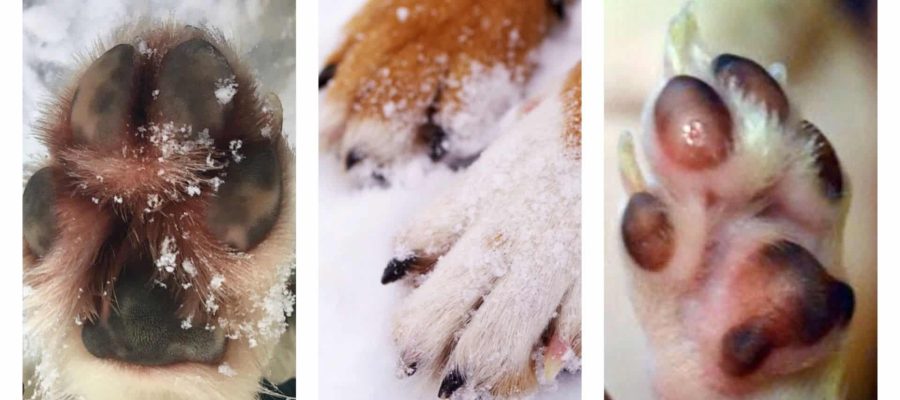
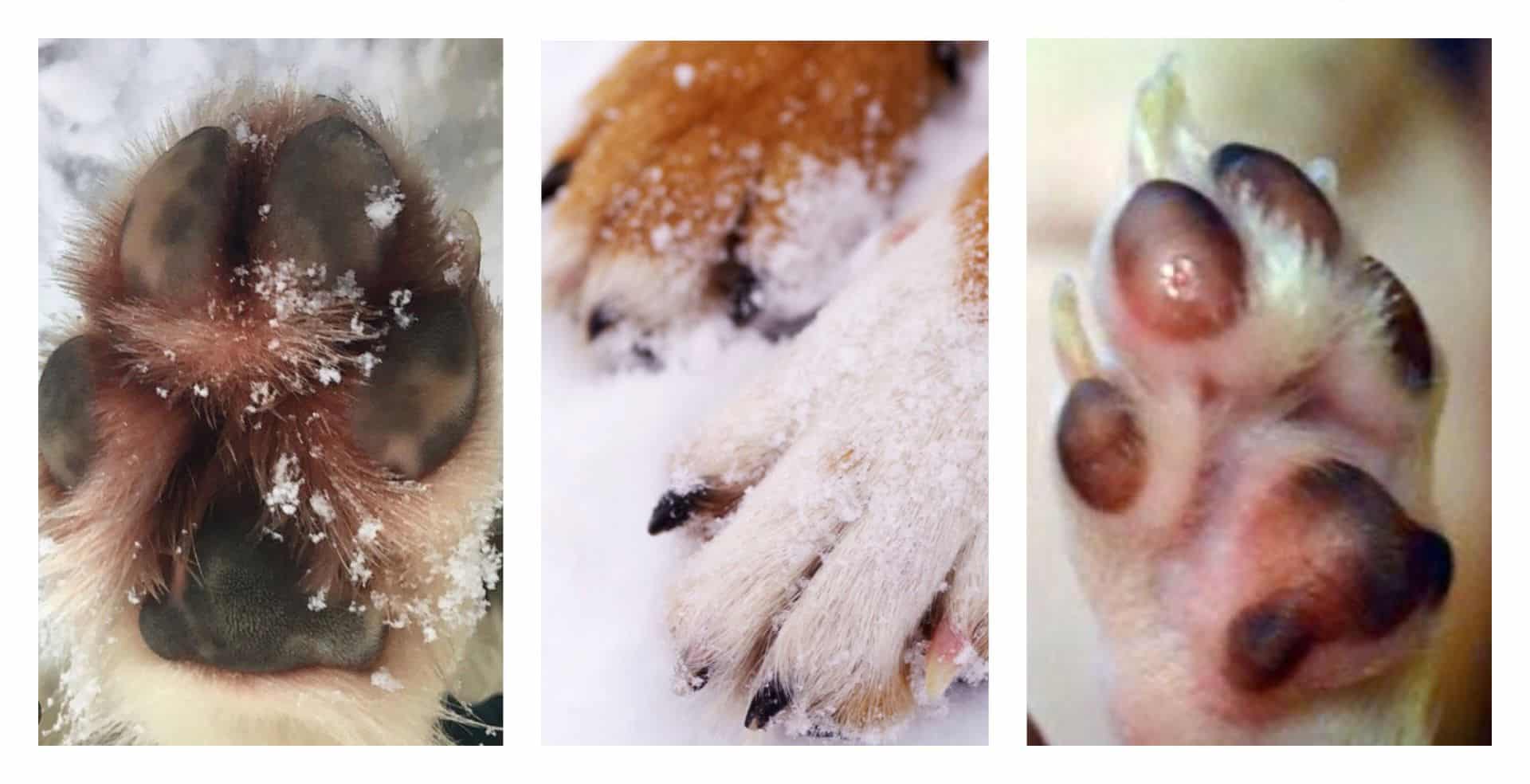
If we omit all these first signs, we can control the legs, tail or ears and if they are very cold, swollen or have a painful sensitivity, they have certainly suffered from cold. In the affected areas, color changes appear, they can be pale, red due to inflammation, gray or blue.
In the case of severe freezing, clinical signs can take a few days at several weeks. The beginning is manifested by the appearance of vesicles, skin ulcers and blue areas which then become black followed by the aspect of the gangrene. The poorly vascularized areas, such as the tip of the tail and the ears are more commonly affected.
What are the predisposing factors?
species
In Romania, inside pets, the most common species are canine and feline. There are species that with evolution have adapted to the different types of environment encountered in all the geographical areas of the country.
read more What should you know before adopting a dog? Essential suggestions of Dr. Cristian Cristea, Pet Stuff Veterinary Hospital
Taste
In the case of both species specified above, there are a multitude of races. Their time resistance depends on the type of fur, life, area of origin, environment in which they live, maintenance, nutrition, etc. For example, races such as the roof, the pincher and the Bichon are much more sensitive to the cold of an Alaska, Husky Siberian or Saint Bernard, but also long temperatures can suffer.
Age
It is very important to know that animals of the fourteenth year are considered geriatric patients. They have a lower body temperature than the youngest and old age is supplied with a series of additional care, including long exposure. Nor should the chicks be neglected, which in the first months of life are very sensitive to the temperature of the environment.
From the category of factors involving the predisposition to the appearance of Froster, they are also those relating to different pathologies such as the heart, dermatological and diabetes.
How can we treat freezing until you reach the veterinary office?
If the owner has suffered from cold, there are a series of provisional measures to treat the degenerated in situations where we cannot immediately reach a veterinary office.
read more What does a medical emergency mean and what should we do?
It is a priority to move the animal to a hot and dry area as soon as possible. We cover it or wrap it with dry or covered towels, next to which we can put bottles of hot water. On the surface concerned, you can apply compresses with hot water or the entire area can be introduced into water with a maximum temperature of 40 degrees Celsius.
What shouldn’t we do in case of freezing?
Although the first instinct is approaching hot surfaces, to dry it with heat sources or introduce it into hot water, these are the first actions that we must avoid. Any hot question that will come into direct contact with the surface concerned, will cause destruction on a cellular level, and these could also delay or even cancel healing.
The area massage or the application of compression bandages should be avoided, it will hint the pain.
It is forbidden to apply a pharmacological treatment, both locally and generally without training a veterinarian. Many of the analgesics for human use can be toxic to animals (ibuprofen, aspirin, etc.).
read more Fruits and vegetables suitable for our fur
Careful!
Freezing can cause great pain to animals that can lead to behavioral deviations manifested by aggression, which is why we must be attentive to how we will manipulate them.
How can we prevent freezing?
In order to minimize the risk of freezing to do in the houses raised at home, we can shorten the time of daily walks during the winter and we can change their time, if it allows us time. In the case of those collected exclusively outside, they must be supplied with a hot and dry room where they can be repaired when the temperature is less than 0 degrees Celsius.
Clothing is an excellent source of protection from low temperatures, in particular small animals. It must be comfortable, warm and made with qualitative material.
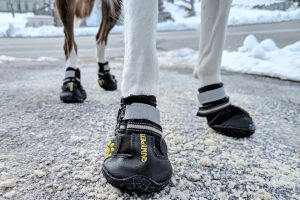
The shoes, another object of clothing that can help us avoid degenerated in the legs, which meet more commonly, these are in direct contact with the frozen surfaces. It is recommended to be waterproof, with unique abrasive and not sparkling.
Prevention is very important!
During the winter, our ruthless friends must benefit from further attention. It is very important to perform a routine check, every day, after having made contact with low temperatures. If we see changes of color or painful sensitivity, our animation may have suffered from cold. Any form of icy, if it is in the initial phase, can be easily treated, but with the passage of time, the prognosis can be unfavorable.
latest posts published
The health of the joints in dogs – more important than you would have thought!

Everything you need to know about Dog & Dog – Dry Dog Food
Obesity in dogs and what should be done?

The dog needs to have a happy, balanced and healthy pet

How do you choose and how do you use cat sand?

How do we help pets during winter holidays, full of strong noises and noises

The benefits of fish in the diet of our empty spaces

The joy of having a cat
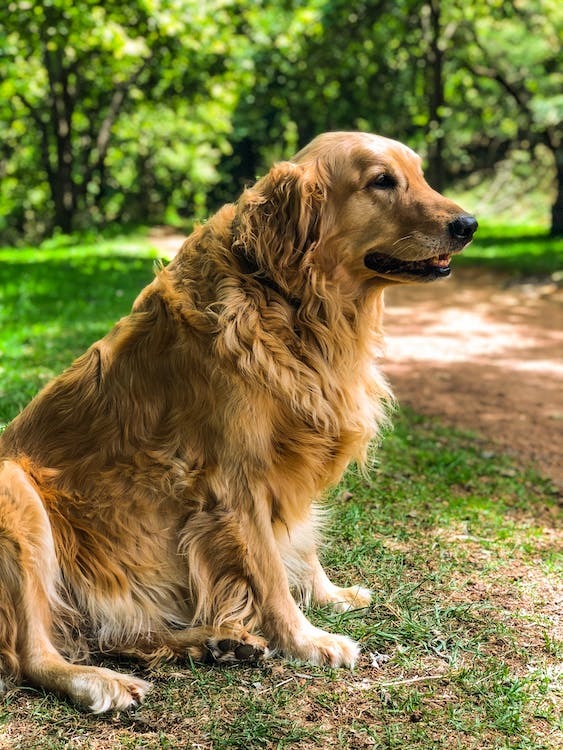
Golden Retriever, an energetic and favorite breed of children