
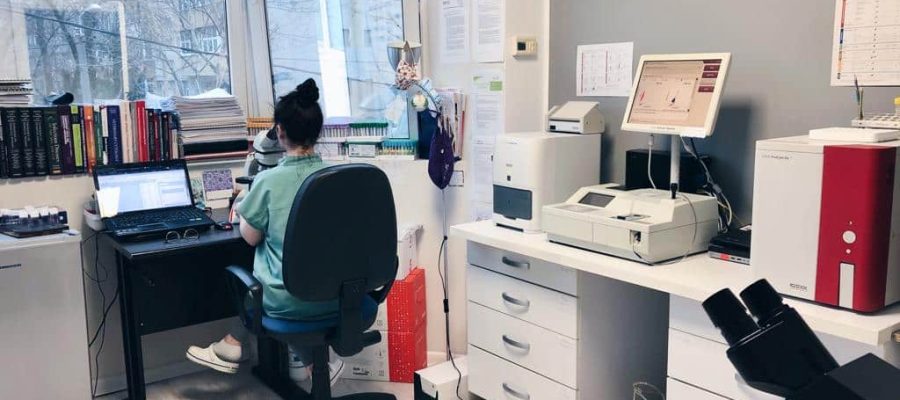
Every year, when there is a change in health or before surgery, each of us follows the advice of our family doctor or a specialist to carry out objective evaluation tests – Screening tests that check how the body is working – Specifically, hemolyteogram, biochemical tests, urine tests, and sometimes, even initial hormonal tests.
Is it necessary for our furry companions?
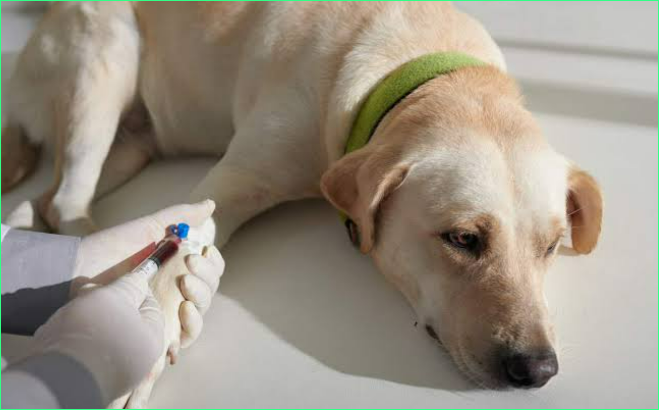
The response is yes, it is recommended and often essential. Every living creature deserves proper medical care, and the advancements in technology over the last 50 years have made it possible to perform these regular screening tests for all of us, whether we are human, rabbit, dog, or penguin.
This is important for both the patient and the doctor so that the patient can receive a thorough evaluation, a clear picture, and an accurate diagnosis.
 How to do correctly external for cats
Why are blood tests needed?
First, we should note that these tests are a Minimum database (MDB) and are important. If we have a healthy animal planned for routine surgery, it is crucial to have a general idea of the individual’s health to avoid problems before, during, or after surgery. This will at least assess one hemolyteogram and a basic profile that focuses on liver and kidney function.
If I purchase a breed and the doctor tells me about birth defects common to that breed, it is wise to check if the patient has any secondary compensatory issues and how we can handle them later. In this situation, a hemolyteogram and a broader profile are suggested.
If the results fall within the normal range for the species, the breed, and the patient’s age, they will serve as a reference point to track any future changes.
We recognize how normal functions, and if there are significant variations, even if they are within the analyzer’s limits, we will understand that there is an issue that needs attention. Based on clinical signs and variations in screening tests, we can gather useful information for differential diagnosis and, later, to make a diagnosis.
read more Cats diabetes – Company stuff
The species, the breed, the background of the patient, where and in what conditions he lived during the first months, and the health issues he encountered before seeing the doctor are factors that will be reflected in the following results.
What information do blood tests provide?
CBC Made with the help of DX Procryte, the most recent and higher device of this moment available for the veterinary division, allows the evaluation of the red line (Red – Globes of erythrocytes) involved in the exchange of gas (transport of oxygen and elimination of carbon dioxide) from a quantitative point of view (the number is optimal, low or increased) and qualitative (in terms of average cell volume, loaded with hemoglobin – protein to which oxygen, erythrocyte distribution, changes of form)). Secondary, this device also evaluates the response of the hematogenic marrow or other blood formal organs that indicate the number of reticulocytes (young erythrocytes) and their load of hemoglobin, the last feature that indicates the quality of these young cells.
The evaluation of the white line (White blood cells – leukocytes) allows differentiation between an inflammatory, infectious, hypersensitivity (allergic) process and mediation obtained from stress or physiological hormones. Platelets (platelets) are evaluated from a quantitative point of view, percentage and by the prism of modifying the average volume – their evaluation indicating changes in primary coagulation – stopping bleeding.
Parallel to the emotion, the evaluation of a Sangimi of blood It is a current method for evaluating cell morphology, which we perform for each patient in order to appreciate the quality of the cells involved and structural changes, the possible presence of some infectious agents (parasites, bacteria) and the validation of the information provided by the analyzer (reticefuits, the number of leukocytes, the goals intensity of the regenerative process, we estimate the number of platelets).
read more Peritonite infectious feline – from a simple entity, to a fatal disease and a new possibility of life
Serum biochemistry
He made the help of Catalyst One, a device that uses a slide technology that prevents interference with different compounds with a low rate of analytical errors. This technology is useful for evaluating the state of liver operation (an organ involved in the metabolism of endogenous substances – produced by the body or exogenous – administered in various paths, which are not produced by the body, such as medicines) from a cellular and functional point of view. of the kidneys and metabolites regulated by them (involved in the excretion of metabolites), intestine, pancreas. For biochemistry we obtain indications concerning endocrine, liver, kidney, gastrointestinal, pancreatic or pathologies involving multiple organs.
Parameters assessed inside the veterinary hospital for pets:
- Renal function assessment:
- Good (urea) -Illowth can indicate kidney pathology, but it can also be associated with cardiac pathology or urethral obstruction, gastrointestinal bleeding, shock; The decrease may indicate a reduced intake of proteins, a decrease in production at the liver after liver failure, hyperhydration.
- Create (creatinine) – growth is associated with kidney changes; The decrease can suggest prodal anabolism and muscle atrophy.
- SDMA (Size Arginine) – The increase in the parameter indicates kidney or cardiac pathologies, being more sensitive than creatinine in evaluating the glomerular filtration rate (GFR).
- Phos (Fosfor) – The increase in this parameter is commonly encountered in kidney diseases, rarely in endocrine pathologies, while the reduction can indicate a maldigestion/ badbsorption syndrome, endocrine pathologies.
- Like (football) – growth is associated with neoplastic processes, chronic renal failure, inflammation caused by infectious agents (mushrooms) or endocrine pathologies, while the reduction of most of the times is associated with malabsorption syndrome.
- Evaluation of the liver function:
- ALT (Alaninamininnsferase) – The increase can indicate an non -specific liver disease, while the reduction is associated with liver atrophy.
- AST growth (asparartatatamininnsferase) can be associated with liver or muscle pathologies.
- Alkp (Alkaline phosphatase) – The increase in the parameter can suggest liver, endocrine or bone changes, while a reduction in feline can indicate anorexia.
- GGT (Gamaglutamyltransferase) – The increase in the parameter indicates a liver colestasis or lesions in the biliary tract.
- TP (total protein) – indicates the patient’s degree of hydration, evaluates the liver and renal function.
- White (albumin) – Most of the time, the clinical importance is given to the decrease in this parameter, being involved in the regulation of oncotic pressure. The associated causes can be inflammatory, following a hepatic (reduced production) or consecutive insufficiency to losses in the intestinal, renal, in the skin, in the third space.
- TBB (total bilirubin) – growth can be associated with bile pathologies or hemolytic anemia.
- The spheres of acids (bile acid) – can be increased in liver insufficiency (congenital or acquired).
- Evaluation of the pancreatic function:Since the sensitivity and specificity of amylase and lipasi have shown that they were incompatible with the diagnosis of exocrine pancreatic pathology, especially feline, it is recommended to specific serological lipase, felines, trippsine, vitamins B12 and B9 respectively. In addition to laboratory investigations, specialized ultrasound evaluation is recommended.
When are the blood tests suggested?
Ideally, for a young person, under 7 years old, who does not have any known illnesses, it is advised to check once a year, while for someone over 7 years, it is done two times a year. In individuals with a known condition that needs watching, the frequency of tests is determined based on the illness along with the doctor. For instance, a person with a serious initial kidney issue is checked daily until they are stable, then weekly to assess how the treatment is working and later based on their progress, at 3-6 months.
What should I do?
Being aware, taking precautions, and leading a healthy lifestyle will allow us to enjoy our pets with a calm and joyful life. Schedule an appointment as soon as you can with a doctor for yearly tests, and for furry friends, arrange a visit to the vet for a health check and screening assessments.
read more
 Suggestions for the adequate care of senior dogs
latest posts published

The health of the joints in dogs – more important than you would have thought!

Everything you need to know about Dog & Dog – Dry Dog Food

Obesity in dogs and what should be done?

The dog needs to have a happy, balanced and healthy pet

How do you choose and how do you use cat sand?

How do we help pets during winter holidays, full of strong noises and noises

The benefits of fish in the diet of our empty spaces
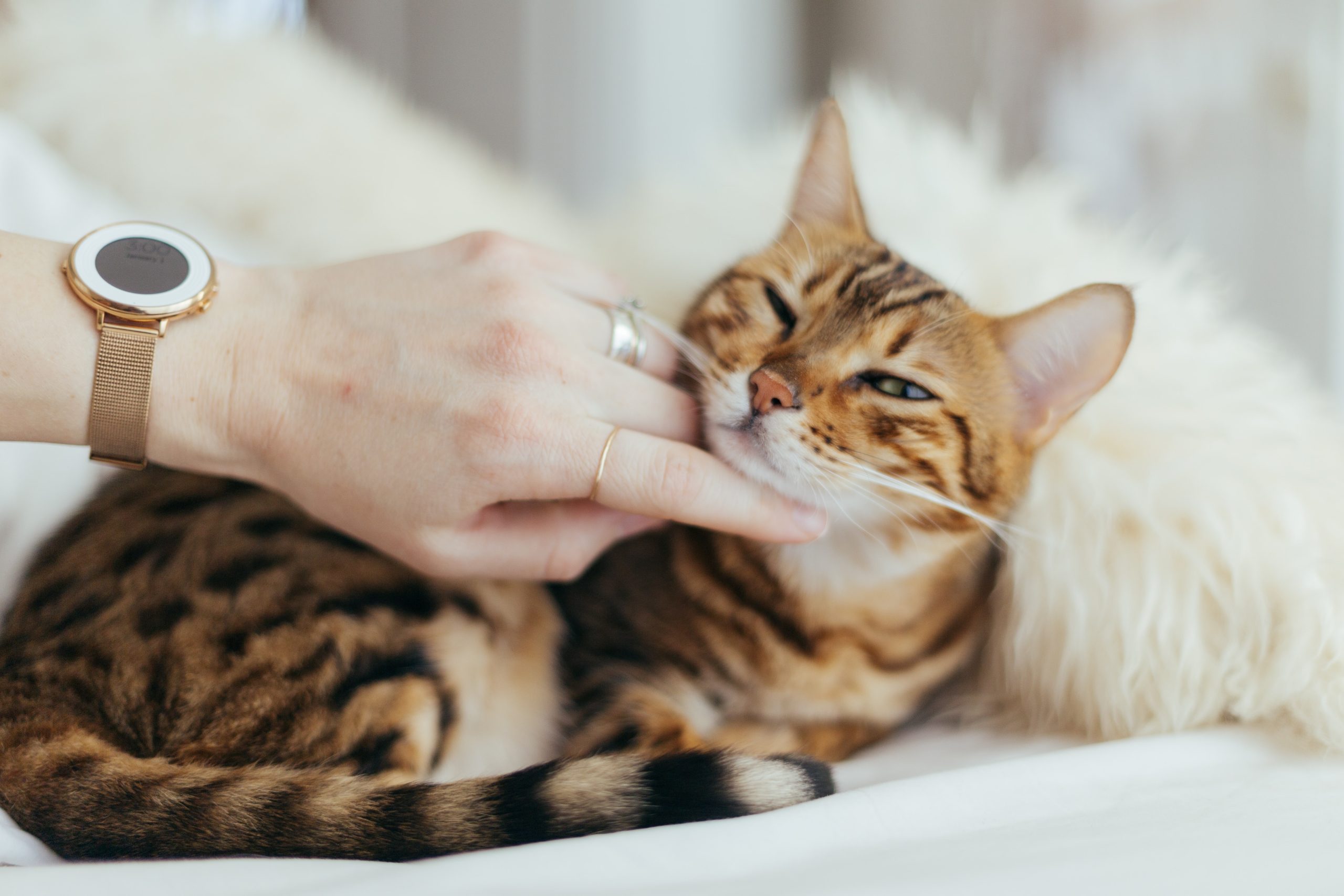
The joy of having a cat

Golden Retriever, an energetic and favorite breed of children