
That’s why these ideas are not true when it comes to cats or dogs Today’s experts have determined that humans have kept pets for more than 30,000 years! Therefore, our long connection with cats, dogs (and more) means that many false myths and beliefs about caring for these sweet animals are shared.
Sadly, many of these beliefs or wrong ideas are not just incorrect, but harmful to the wellbeing of the animal. If you are a pet owner of a dog or a cat, it is important to uncover these myths so you can provide your best friend with the best care possible.
Below, you will find a list of common myths and beliefs about pets. Read through them all to find out the truths supported by science and to be more aware with these lovely companions.
It is time to stop accepting these «myths» and to pay more attention to what we feel
Myth 1 – Dogs eat grass because they are unwell and this helps them. Luckily, contrary to this common belief, dogs do not eat grass because they feel sick or have stomach issues. How come? Many dogs eat grass simply because they enjoy it and see it as a form of fun or playtime. Other reasons can include internal parasites and missing nutrients in their diet.
read more With the quadruped on leave at sea
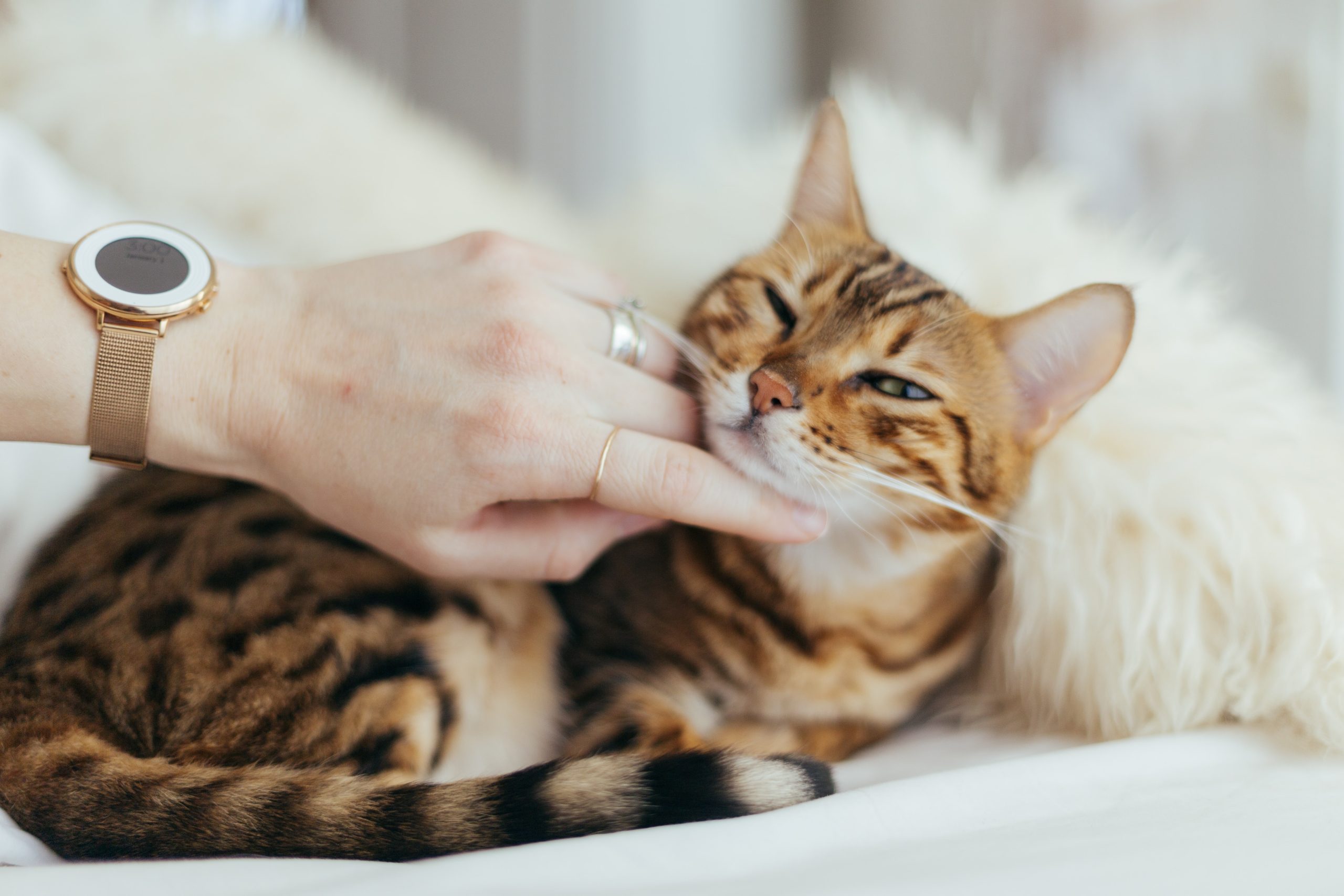
Myth 2 – Cats always purr because they are happy. In Romania, most people connect the lovely sound of a cat’s purring as a sign of their happiness and enjoyment. While this can be true many times, it is not always the case. Why? It seems that actually this noise can indicate aggression, fear, and discomfort. It is wise to look for other signs of a happy cat, such as the wagging of the tail and the movement of the head.
Myth 3 – If your dog stays in the yard, they do not need any other playtime or walks. Having enough space for your furry friend to run and have fun is great, nobody argues that. But do not be misled (or fall for this) – I do not think that daily walks and other forms of exercise are unneeded! How come? All these more active forms of exercise help to stimulate your pet and genuinely meet their physical needs. Additionally, walking is an excellent way for you, as an adult, young person, or child to get more movement.
Read this helpful article on the blog – «Dogs and children – Things you need to know»
Myth 4 – Cats dislike being wet. The cartoons, the jokes and the tales partly reveal the truth: many cats don’t enjoy taking baths or getting caught in the rain. But do we know the reason for this? Experts indicate that these actions are avoided by small cats because the added weight from the water makes it harder for them to run quickly – like a hunter – and limits their ability to defend themselves. However, there are some breeds of cats that really enjoy water. What can you do in a practical way? Start by giving baths and ensure that your cats are in the water.
Myth 5 – Dog and cat fur cause allergies. We often hear this – that the fur of these animals triggers allergic reactions in people. How can you figure it out? Look for the signs, conduct skin or blood tests. What signs might you notice, in yourself or in children (regardless of age)? The signs can range from watery eyes to sneezing and stuffiness or even coughing. However, it is understood that the fur itself is not harmful; the allergens exist in the skin, saliva and pee. So, the fur isn’t the culprit, but it can still carry the allergens.
read more On leave with the Quadruped
Are there animals that cannot trigger allergies? Here is another false belief. When a breed is labeled hypoallergenic, it simply means that the animal is less likely to trigger allergies, but allergies can still arise from that animal. The creatures considered hypoallergenic do not lead to allergies as often as other breeds, but they can still have sneezing or other reactions.
Myth 6 – Dogs always have a clean mouth. Before you receive a big kiss or a lick from your dog, you should know that their mouth isn’t as clean as you might think. Just like with other animals, dogs have lots of bacteria in their mouths. Just think of all the awful things you have seen when your dog tried to eat . including waste . that’s not exactly digestible, is it?
Check this guide on dog dental care, on the Petmax.ro blog!
Myth 7 – Cats always land on their feet. The belief that our little feline friends can fall from high places and not get hurt after such a drop is one of the more concerning myths. Let’s be realistic! Every year, many cats fall from windows or balconies and are badly hurt or even killed. This is why it’s important to secure any windows and monitor your cat when on a balcony.
Myth 8 – One «dog year» equals seven human years. This myth does not have a scientific basis and so it’s untrue. How so? This mainly depends on the size of your dog. A large breed might live for about 15 years by the time they are 1 year old. While a much smaller breed could age differently. A good way to help your pet live longer is to keep them healthy through a good health plan and proper nutrition:
read more Dogs and children – Things you need to know
View our suggestions in the shop, in the dry food section for dogs:
Myth 9 – A wagging tail means your dog is happy. Is this true or false? The right answer is . sometimes true. We all know that dogs can wag their tails when they feel stressed or anxious. Like the incorrect belief about the cat’s purr, many people connect tail wagging with happiness and excitement (in dogs). This isn’t completely wrong; lots of dogs wag when they are joyful and happy to see you. However, they can also wag when they are scared or concerned. The tail movement can show enthusiasm or feelings, both good and bad. For this reason, you may see many dogs in line before a fight with other dogs. Look for additional signs to know if the tail wagging at home happens due to stress.
Myth 10 – Dogs are color blind. Actually, dogs do not see every color that we see as humans, but they can see certain colors. So, their world is definitely not just black and white. Dogs can see colors, but they do not see vivid colors like we do.
Dogs can see shades of blue, yellow, and green, though these colors appear less intense to them. Their limited ability to see colors is balanced by their excellent senses of smell and hearing.
Myth 11 – Your dog is healthy if it has a wet nose. The truth is that how your dog’s nose looks can change based on what they are doing. Many pet owners check their dog’s health by looking at their nose. The belief «if it’s wet, the dog is healthy» is not a reliable method! There are times when your dog’s nose may be dry: when your dog is sleeping, their nose will likely be dry and that’s completely fine. Look for other signs to see if your dog is ill or well.
read more The animal bath is very important and Zuzi helps us with suggestions and a hall of canine
Myth 12 – Smaller pets do not need as much care as bigger ones. True or false? Sadly, small animals come with as much responsibility as larger ones. Many parents surprise their kids with a cute pet, like a guinea pig, hamster, or others. There is a belief that these pets are easier to care for, which makes them seem better suited for children.
In any case, kids should not be in charge of taking care of pets, even the small ones. Small pets need just as much care and attention as big dogs. For instance, guinea pigs must have their cages cleaned daily, need to be fed twice a day, require regular nail trimming, and deserve to be treated kindly.
In simple terms, small pets need the same amount of effort as larger pets. Do not bring home small and exotic pets unless you are ready to give them the lifestyle they require and deserve.
Myth 13 – Spaying or neutering a dog will negatively affect their personality. Thankfully, if your dog has always been friendly, playful, and loving, neutering won’t change that. If your dog tends to be a bit aggressive with other dogs or often roams around the neighborhood, spaying or neutering may help them to be gentler and more likely to stay at home.
I have written about spaying and neutering here!
Myth 14 – It’s fine for dogs to be a little.. overweight. Extra weight in dogs can lead to heart issues, breathing problems, blood sugar troubles, bone problems, and gut issues. Therefore, do not feed your dog scraps from your meals and ensure they get plenty of exercise.
Now, get dog food that’s appropriate for them based on age, breed, or special needs, here!
Myth 15 – People and pets cannot share diseases. Zoonotic diseases can pass between humans and animals. Rabies is the most known disease like this, but there are others. These include cat scratch fever, salmonella, roundworms, hookworms, and toxoplasmosis.
You can lower the chance of getting a sickness from the animal by cleaning your hands after touching or handling the urine or poop. Do you kiss your pet? While this practice can make you feel more connected to your furry buddy, it can make you ill. Even though you are more at risk if your immune system is not strong, it’s wise to save your kisses for your family . other people.
latest posts published

The health of the joints in dogs – more important than you would have thought!

Everything you need to know about Dog & Dog – Dry Dog Food
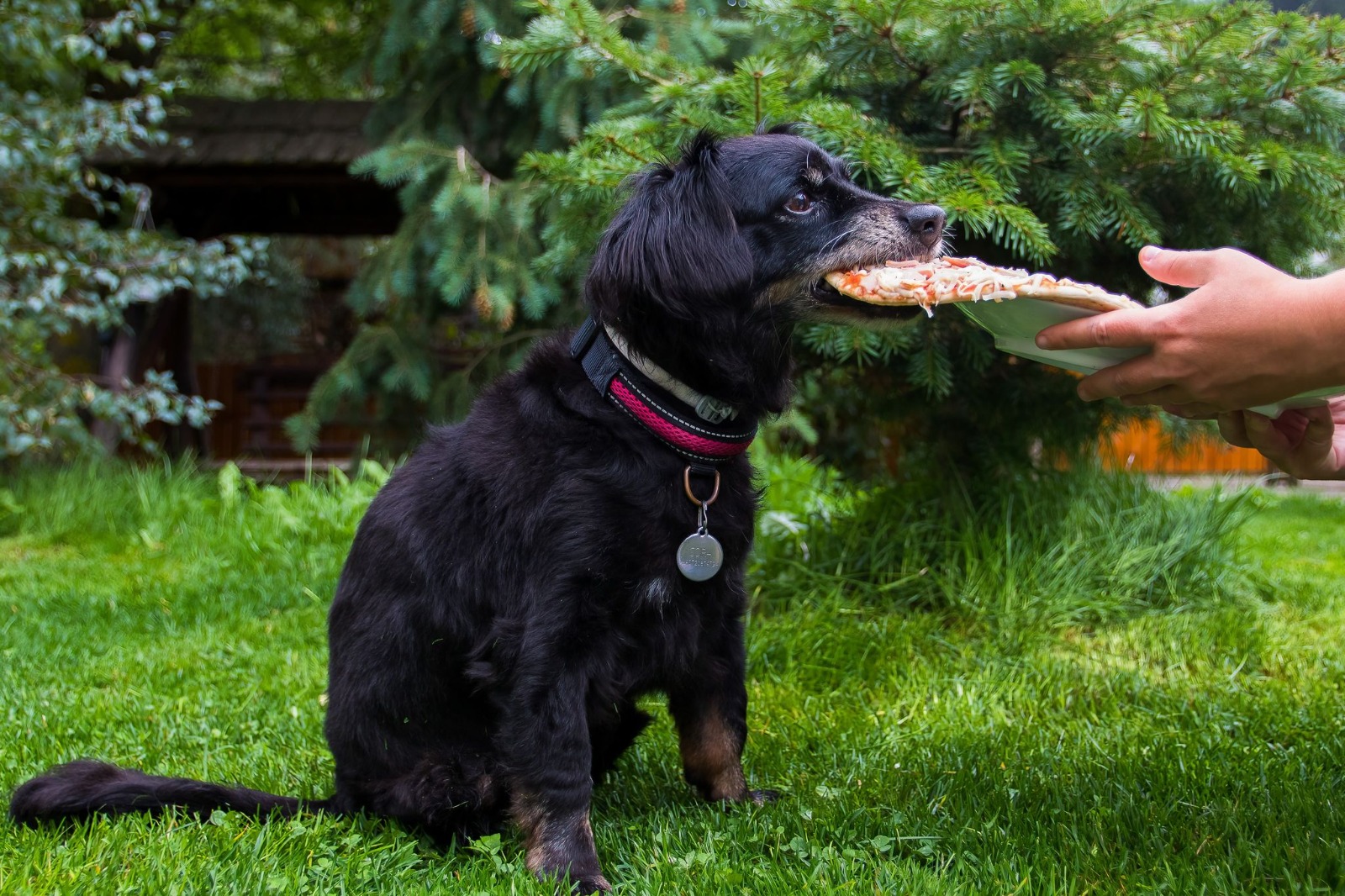
Obesity in dogs and what should be done?

The dog needs to have a happy, balanced and healthy pet

How do you choose and how do you use cat sand?

How do we help pets during winter holidays, full of strong noises and noises
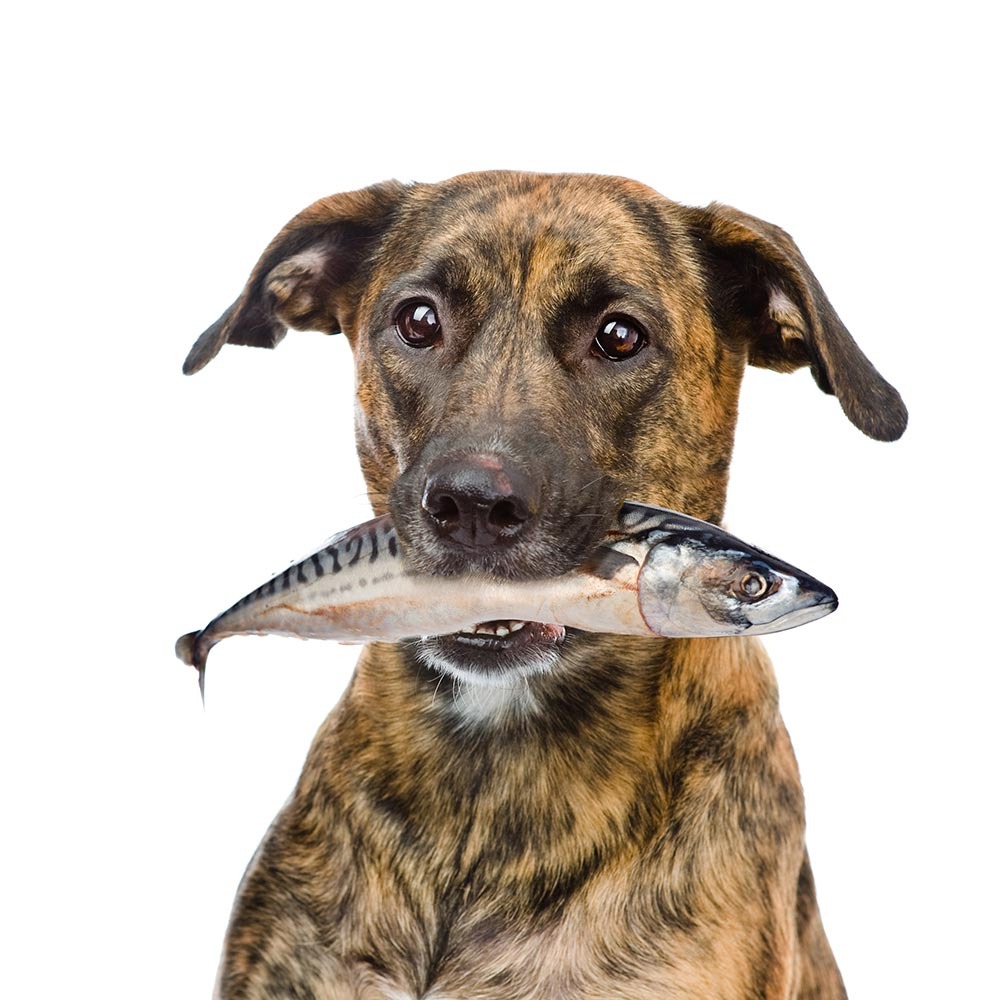
The benefits of fish in the diet of our empty spaces
The joy of having a cat

Golden Retriever, an energetic and favorite breed of children