
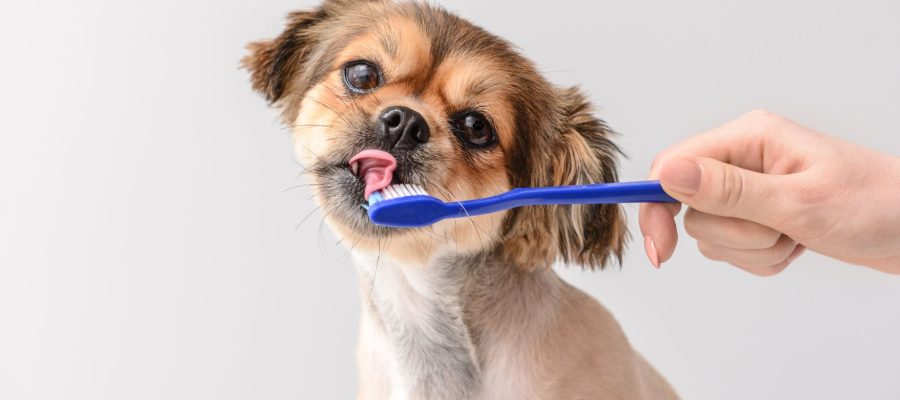
Dental health is a key aspect of a dog’s overall wellness. Issues like bacteria buildup, tartar, gum disease, and periodontal illness can lead to not just pain and discomfort, but also serious issues – from losing teeth to infections that may affect the heart, liver, or kidneys. Research indicates that nearly 80% of dogs show signs of periodontal disease by ages 2 to 4 (see VCA hospitals). Shouldn’t these numbers concern us?
Dry food versus wet food
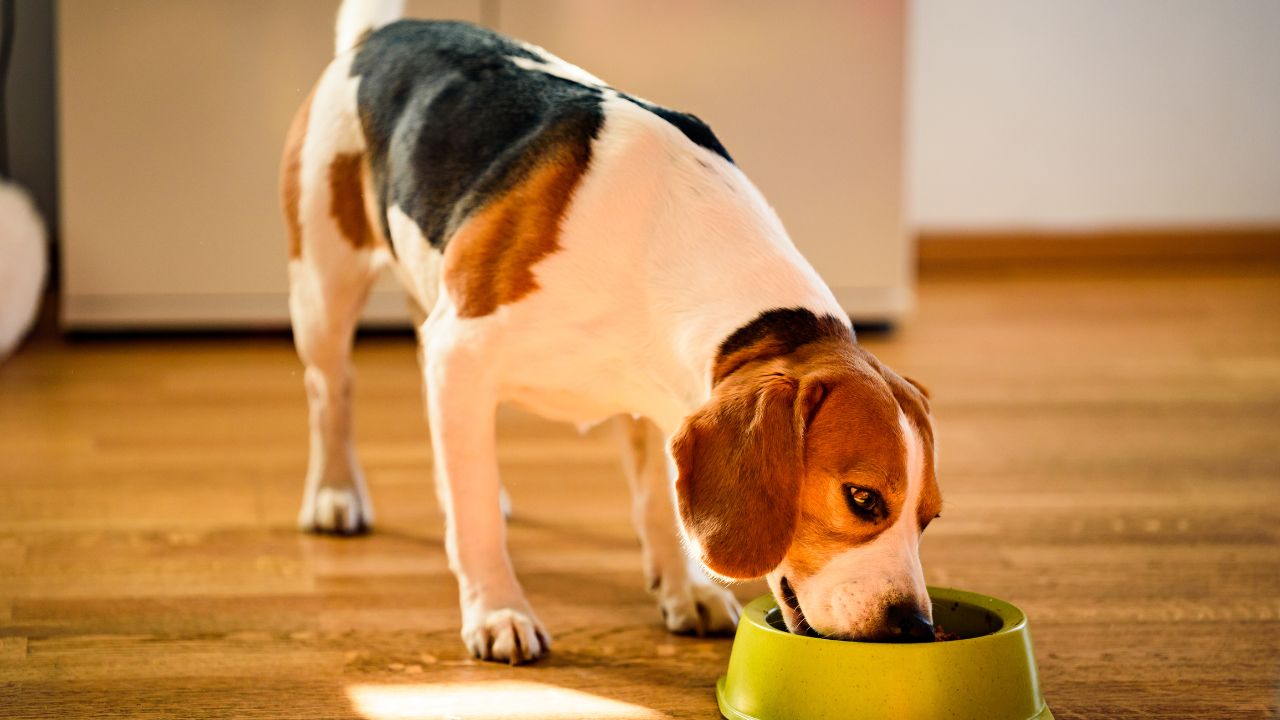
Dry food (kibble) acts to mechanically «brush» the teeth as the dog chews. This helps reduce the buildup of bacteria and tartar. Don’t forget treats that can also be tasty and beneficial for the teeth.
Wet food, while often more appealing, tends to stick to the teeth more easily and, if it’s not fully broken down by saliva, can encourage the growth of bacteria that lead to dental issues.
Ingredients that make a difference
Calcium chelators (like Calcium Carbonate) – may help stop plaque from turning into tartar.
Phosphoric acid or other acids – can assist in lowering the pH level in the mouth, hindering the growth of certain bacteria.
Antioxidants and plant extracts (like green tea extract and papain) can help reduce gum swelling and plaque.
Managing calorie intake
A diet rich in calories can cause obesity, which raises the risk of various health problems, including dental issues, by reducing the dog’s natural dental care habits and interest in chewing dental products.
read more A small dog but with enormous personality
Additional foods and habits that negatively impact dental health
Sugars, honey, or syrups – these provide too much stimulation for cavity-causing bacteria; hence, they are not highly advised.
Refined carbohydrate sources – foods like bread, pasta, and rice – can create a suitable environment for fermentation, acidity, and possibly cavities or plaque.
Small and sharp bone pieces – may result in tooth fractures or gum injuries. They are not suggested!
You may find helpful insights in the article on the blog Is your dog hungry? Here are 10 signals you need to know.
Essential oral hygiene items for dogs
In addition to diet, oral care is just as crucial. Here are the must-haves in every puppy parent’s care kit:
- a) Dog toothbrush and toothpaste
b) Dental chews and toys
Models like those filled with paste, tough fabrics, or durable rubber toys with abrasive textures are perfect for cleaning teeth mechanically and stimulating gums. They are excellent for dogs with lower activity levels and for those needing regular dental engagement. - c) Sprays and hygiene solutions
- There are spray products that help lessen plaque and bad breath. They are useful for short-term help, in addition to brushing. Consider Dentican, with a 43% discount!
d) Dental pads and wipes
Special wipes that can be used every day to lower odor and provide more freshness, especially when daily brushing isn’t feasible.
Suggestions regarding the product
Here is where you can locate a complete selection of items and dog gear on Petmax:
read more From medieval paintings on large screens: Dalmatian’s Journey
Dog food and accessories – Check out Petmax.ro/hranaaccesorii-adi For a broad variety of foods designed for good dental health, alternatives specifically created for mechanical cleaning, valuable supplements and tools.
Canine oral care – visit Petmax.ro/igienecatel Explore pastes, brushes, sprays, dental toys and many other important items to keep oral hygiene in check.
Consider these steps to ensure nothing is missed:
- Yearly veterinary check-up – A dental check-up will clearly indicate the amount of tartar, any infections, and the need for professional cleaning.
- Slowly introduce dental kibbles: if you are only using wet food, begin to mix in some dental kibbles, gradually increasing how often you do this.
- Daily brushing – best done in the morning after breakfast. If not possible every day, aim for at least 3 times a week.
Post-brushing: apply a dental spray or chew disk for added freshness and to fight bacteria. - Daily dental toy – provide a toy that promotes chewing, or use a chewing supplement in rotation.
Regular evaluations – Watch for signs like bad breath, red or bleeding gums, and noticeable buildup. Any of these signs need a vet’s attention.
Remember!
If your dog has had dental work done, it’s very important to adhere to the veterinary care guidelines (medication, diet changes and limiting certain activities – for a full and quick recovery).
Ignoring post-care instructions can lead to complications like infections, extended pain and delayed healing. This can worsen the dog’s condition, resulting in more stress and discomfort.
 Basenji – The dog who does not bark but conquers our hearts
Conclusion
A proper diet, featuring a good mix of dry and wet food, nutritious ingredients and enough calories, along with a strong oral care routine (tooth brushing, chew toys, rinses), lays the foundation for long-lasting dental health. Taking care of your puppy’s oral health today – strong teeth lead to a happier and more lively life! Check out the article 10 reasons why pets gain weight without noticing.
read more
 10 reasons why pets take weight without realizing
latest posts published
The health of the joints in dogs – more important than you would have thought!
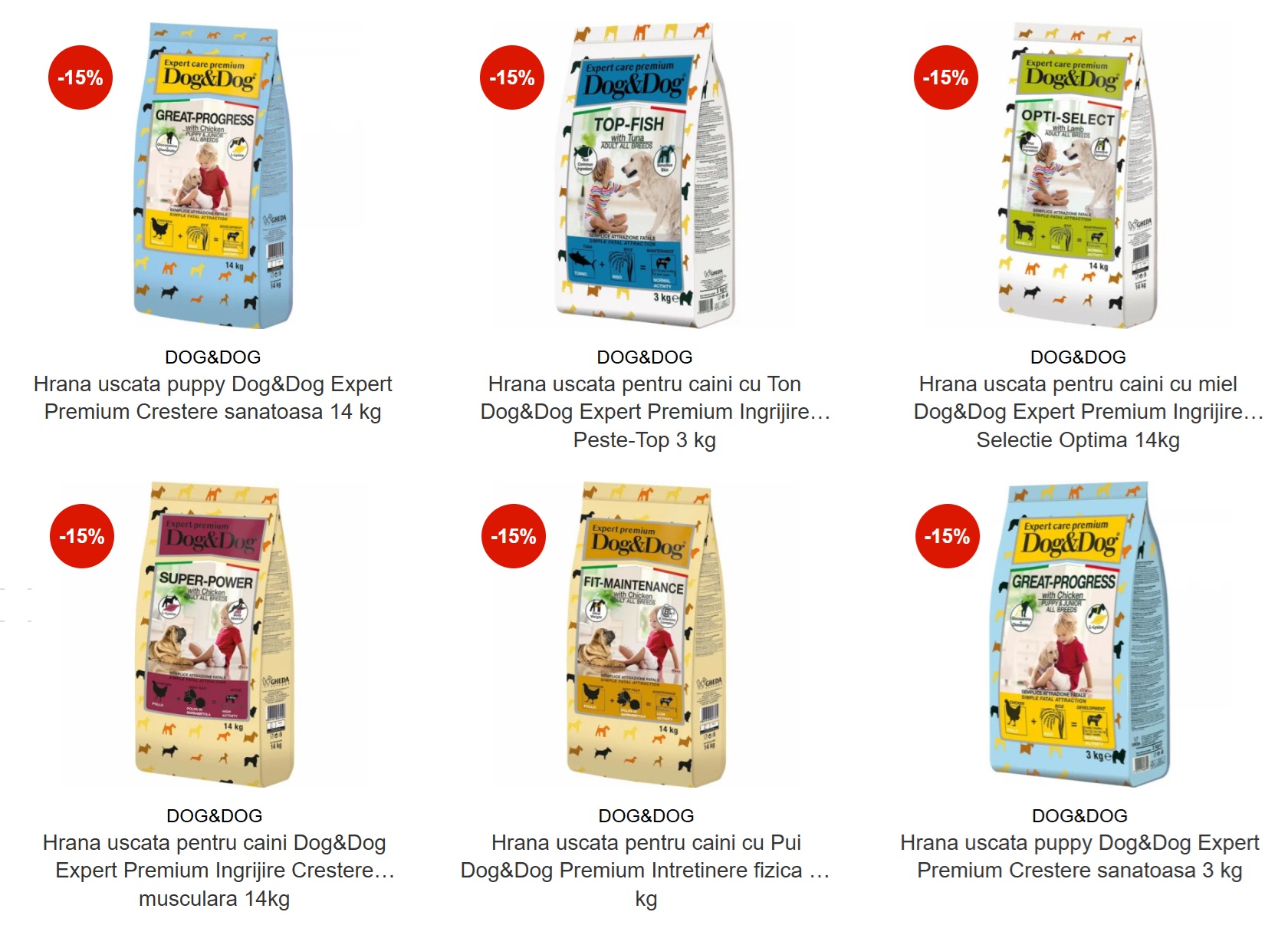
Everything you need to know about Dog & Dog – Dry Dog Food
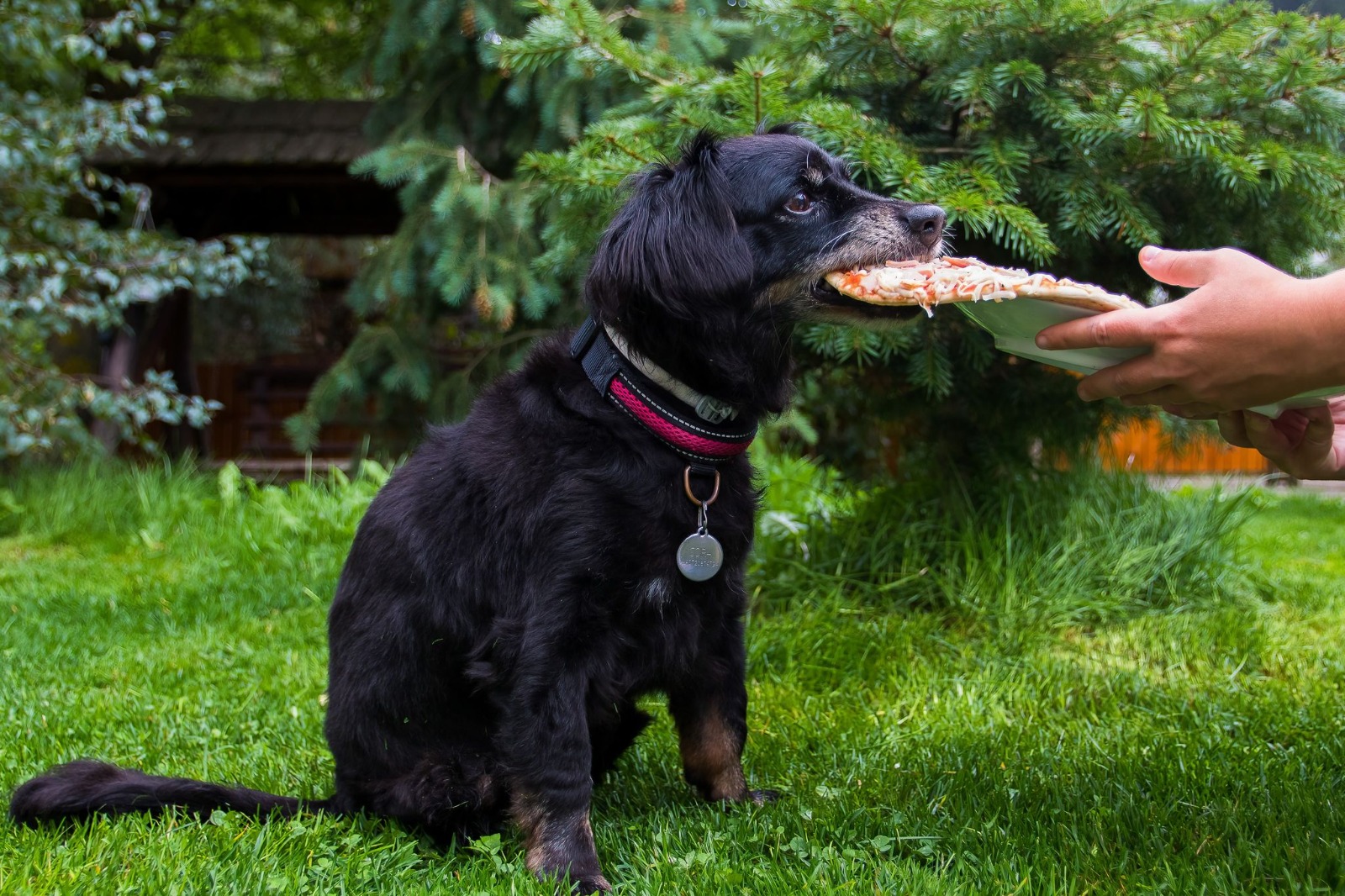
Obesity in dogs and what should be done?
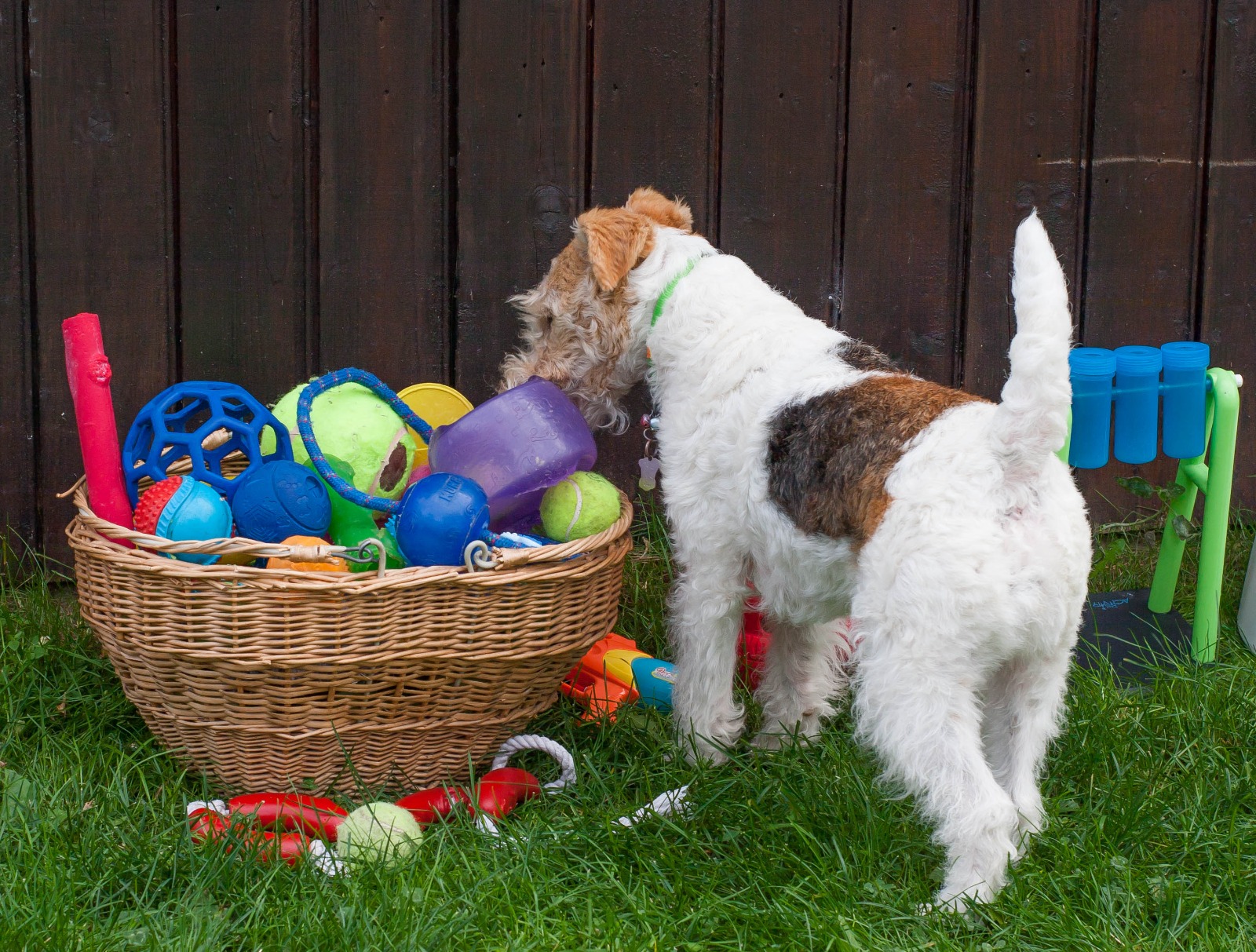
The dog needs to have a happy, balanced and healthy pet
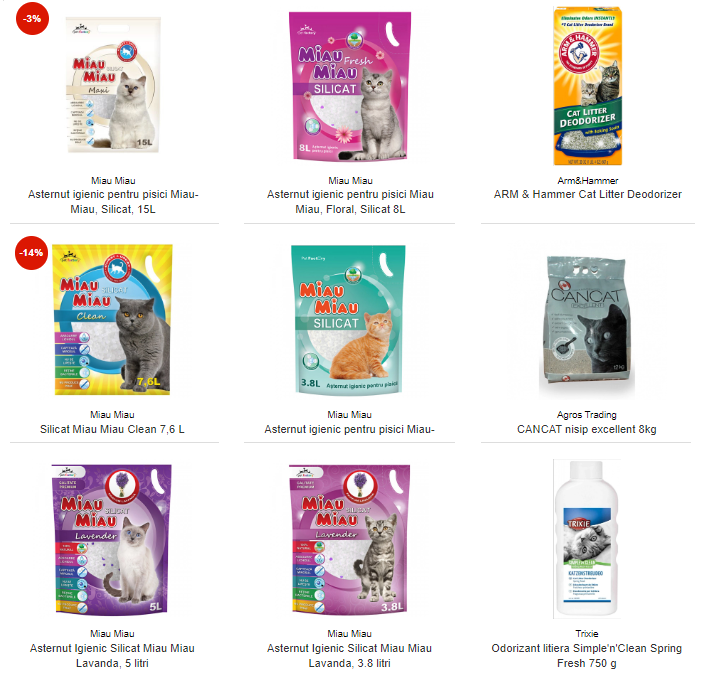
How do you choose and how do you use cat sand?

How do we help pets during winter holidays, full of strong noises and noises
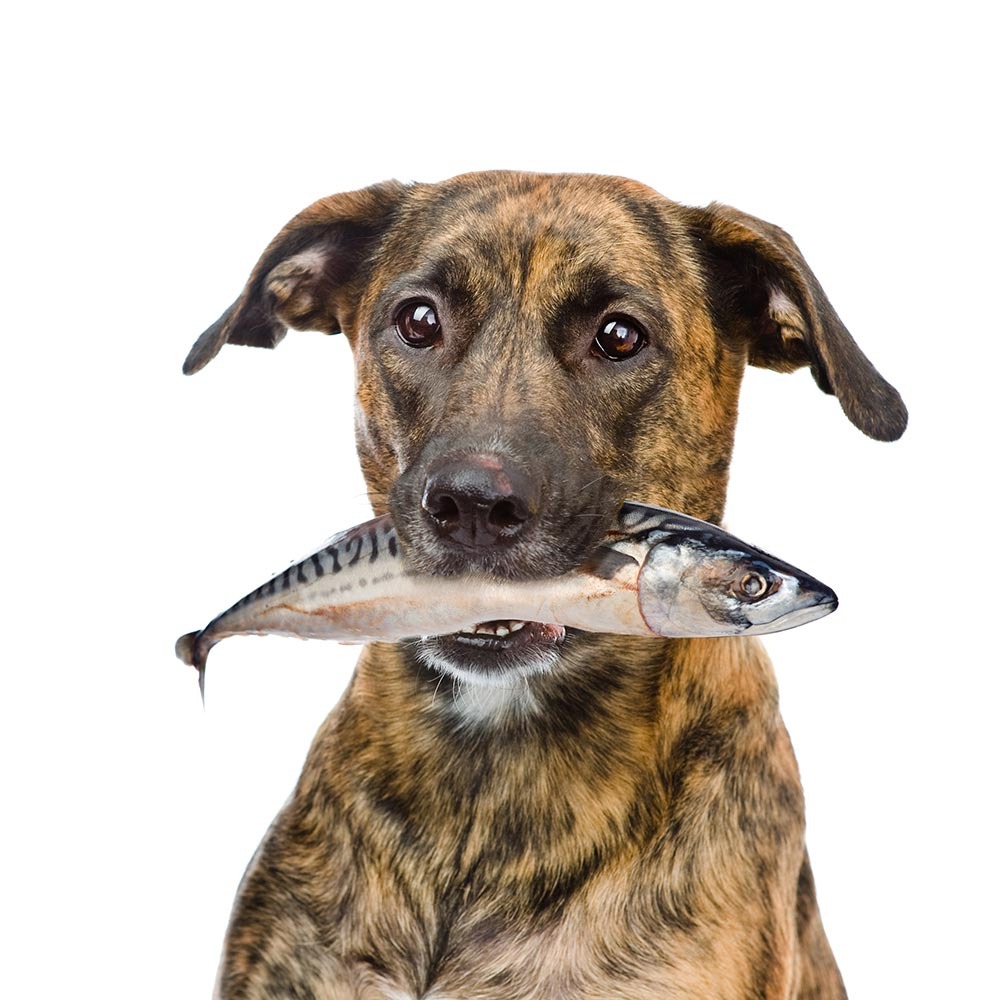
The benefits of fish in the diet of our empty spaces
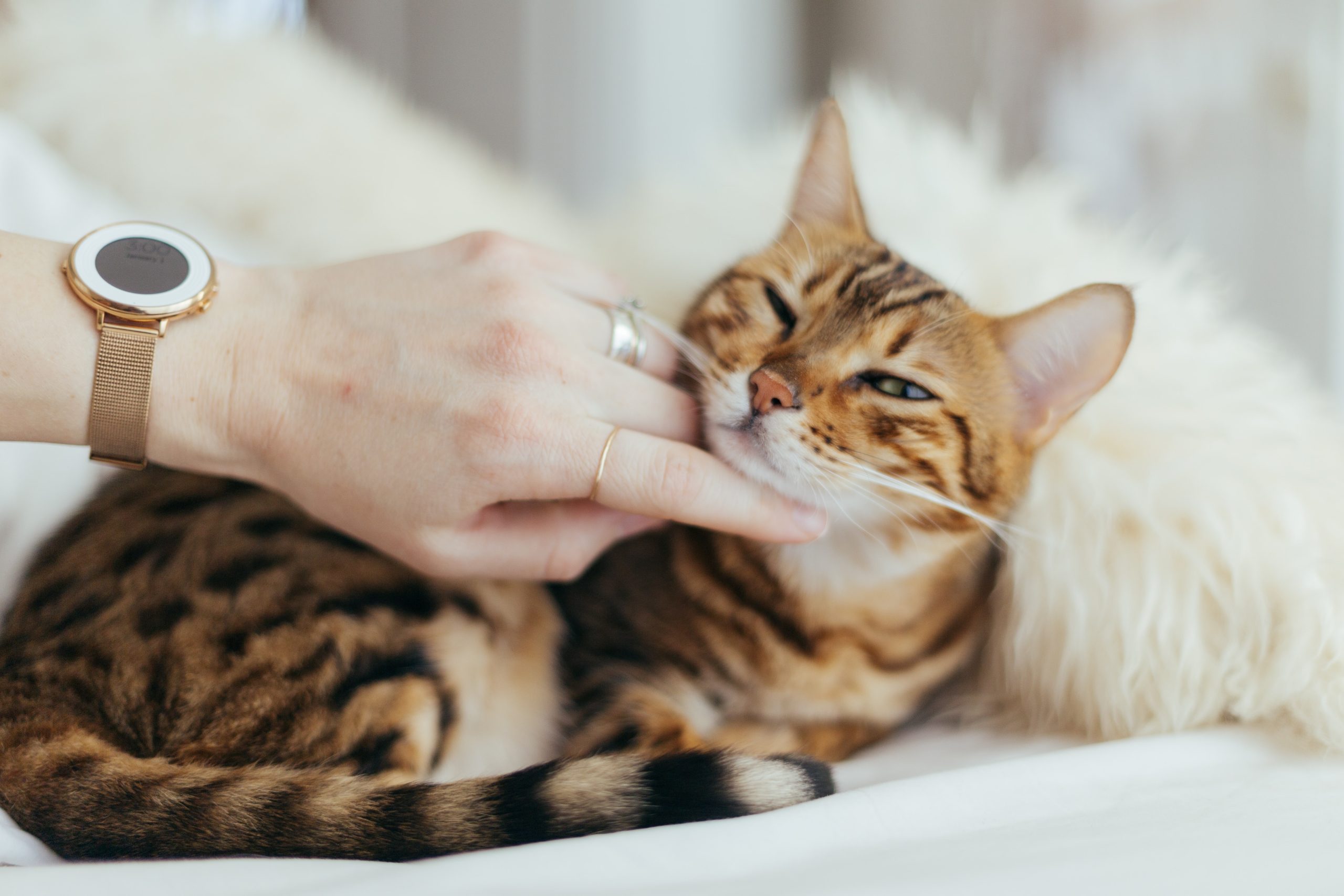
The joy of having a cat

Golden Retriever, an energetic and favorite breed of children